
What Happens When a Silverback Charges? A Guide to Gorilla Etiquette
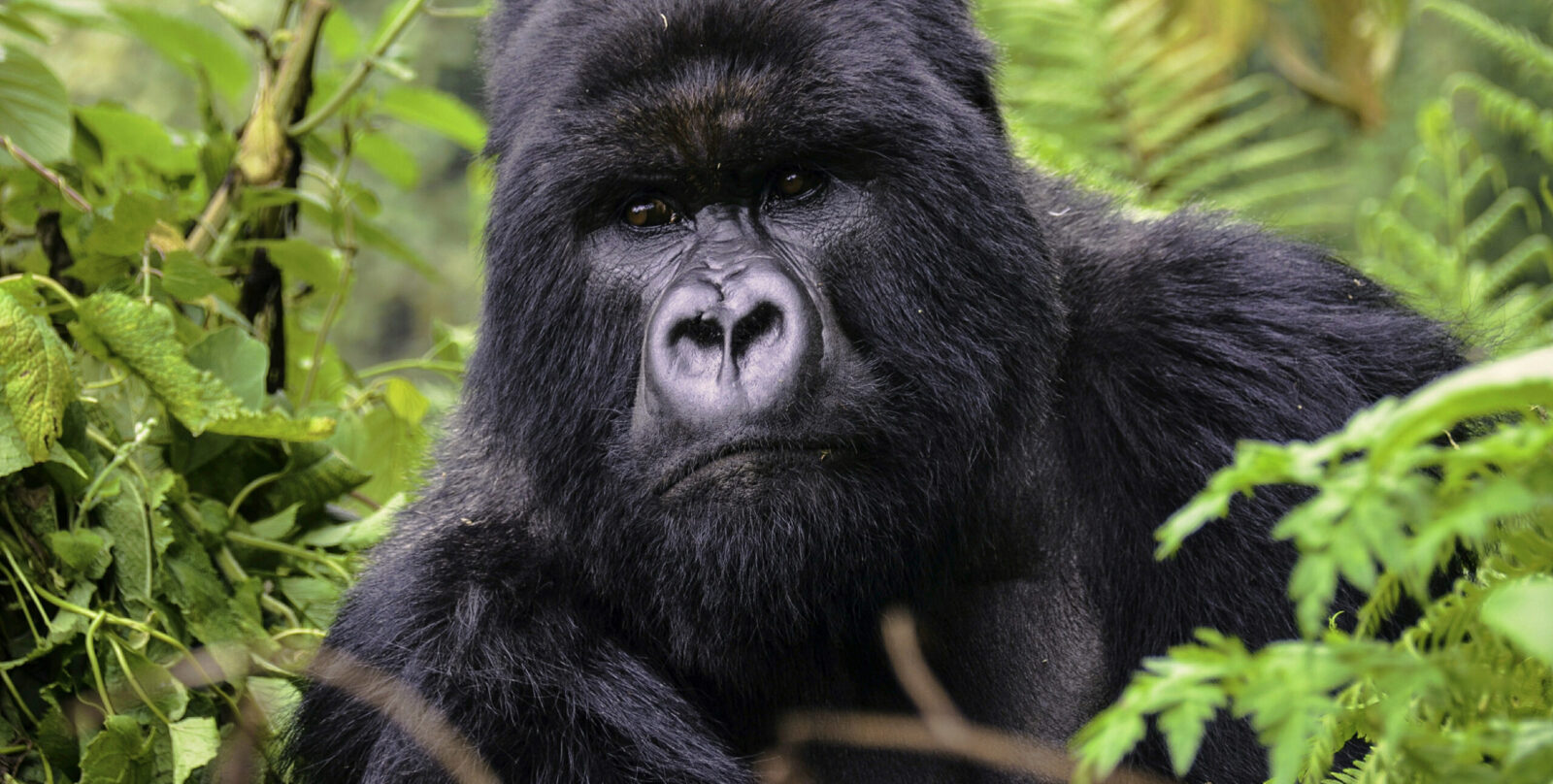
What happens when a silverback charges is one of the questions first-time trekkers ask most nervously before a Bwindi trek, and it deserves a genuinely reassuring, well-informed answer rather than the vague, slightly alarming impression many people carry in from documentaries and secondhand stories. The vast majority of charges tourists witness during gorilla trekking are mock charges, a display behavior rather than a genuine attack, and understanding both why they happen and how guides train visitors to respond turns a potentially frightening moment into something manageable, even oddly awe-inspiring once it has passed.
Why Silverbacks Charge in the First Place
A silverback’s core role within a gorilla family is protection, and a charge is fundamentally a communication tool used to assert dominance, test a perceived threat, or reinforce boundaries, not an unprovoked act of violence. Charges are most naturally directed at a rival male encroaching on the family’s territory, but visiting tourist groups occasionally trigger the same protective instinct, particularly if a member of the group behaves in a way the silverback reads as threatening: prolonged direct eye contact, sudden movement, raised voices, or simply standing too close without the guide’s positioning already establishing a safe distance. Before an actual charge, silverbacks typically offer warning signals: a low vocal rumble, chest-beating, or a short mock lunge that stops well short of contact, giving both rangers and visitors a clear signal to adjust behavior before things escalate further.
The Correct Response: Stay Still, Look Down, Trust Your Guide
If a charge does happen, the trained, well-tested response is counterintuitive to most people’s instincts but genuinely effective: stay exactly where you are, crouch down slightly to appear smaller and less confrontational, avert your eyes rather than maintaining direct eye contact, and above all do not run. Running triggers a chase instinct in gorillas much as it would in most large animals, turning what is almost always a mock display, stopping short of actual contact, into a genuine pursuit. Standing still and adopting a submissive posture signals exactly the opposite: that you are not a threat and not challenging the silverback’s authority, which is precisely the message that ends a charge quickly and without incident.
Ranger guides are trained specifically for this moment and will give clear, immediate instructions, generally some version of “stay down” or “don’t move,” the instant a charge begins. Following those instructions immediately, rather than reacting independently based on instinct or panic, is the single most important thing a visitor can do. Guides read gorilla body language far more accurately than an untrained visitor possibly could in the moment, and their calm has a genuinely stabilizing effect on a group experiencing its first charge, often visibly settling a group’s nerves faster than any verbal reassurance alone could manage.
How Rare Genuine Contact Actually Is
Actual physical contact between a charging silverback and a tourist is exceptionally rare, to the point that most experienced guides who have worked in Bwindi or Volcanoes National Park for years have never witnessed one despite having seen numerous mock charges over their careers. Habituated gorilla families have spent years, often the better part of a decade, growing accustomed to calm, predictable human behavior specifically so that trekking can happen safely, and mock charges function within that habituated relationship as an assertion of boundaries rather than a breakdown of it. This does not mean charges never involve any physical contact whatsoever across the full history of gorilla tourism, but it does mean the overwhelming statistical reality is one of display and de-escalation, not genuine attack. Compared to the genuine risks associated with many other adventure activities, road travel on Uganda’s rural roads, water-based activities, or even routine insect and disease exposure, the risk profile of a well-managed gorilla trek with an experienced ranger guide is considerably lower than most visitors initially assume before they have done any real research into how habituation and guide training actually work in practice.
What Not to Do During a Charge
Beyond the core instruction to stay still and look down, a handful of specific reactions are worth actively avoiding if a charge occurs. Do not raise a camera or phone quickly toward the gorilla, since sudden hand movement near face height can read as a further provocation rather than a harmless attempt to capture the moment; most experienced guides will tell you afterward that the best charge photographs come from trekkers who were already holding a camera steady before the display began, not those who scrambled to raise one during it. Do not shout or make sudden loud noises, even out of surprise, since this adds to rather than calms the tension of the moment. Do not attempt to back away or create distance on your own initiative, since sudden retreat reads the same way running does; let the guide direct any repositioning once the charge has fully resolved. And do not look to fellow trekkers for reassurance or start talking through what just happened while the family is still visibly agitated, since the guide’s assessment of when the group is safe to relax takes priority over any individual visitor’s instinct that the moment has passed.
Broader Gorilla Etiquette That Prevents Charges in the First Place
Good gorilla etiquette throughout the entire viewing hour reduces the odds of triggering a charge considerably. Keeping voices low and movements slow and deliberate, following the required minimum distance, generally seven meters, rather than drifting closer for a better photograph, and avoiding direct, sustained eye contact with any adult gorilla, particularly the silverback, all signal calm, non-threatening behavior consistently rather than only in the moment a charge seems imminent. Flash photography is banned specifically because a sudden bright flash can startle gorillas in a way that provokes exactly this kind of defensive reaction, and following that rule matters as much for your own safety as for the animals’ comfort.
Children old enough to trek, fifteen and above under standard rules, need the same briefing on etiquette as adults, and groups with a mix of experience levels benefit from a quick reminder from the guide before entering the gorillas’ immediate vicinity, since a single member of a group behaving unpredictably can affect how calmly the whole encounter proceeds.
What a Mock Charge Actually Looks and Feels Like
Visitors who have experienced a mock charge firsthand often describe it in strikingly consistent terms: a sudden burst of noise and motion, a silverback rising and moving forward rapidly through vegetation, sometimes accompanied by chest-beating or a loud vocal roar, that stops abruptly, often within just a few meters, well short of actual contact. The physical sensation of standing still through this, resisting every instinct to flee, is genuinely difficult in the moment, and guides sometimes physically place a hand on a nearby visitor’s shoulder as a calming, grounding gesture while the charge plays out. Afterward, the family typically settles back into normal behavior, feeding or resting, remarkably quickly, as though the display itself resolved whatever tension prompted it in the first place. Most visitors who have been through a genuine charge describe the fear passing quickly once the display ends, replaced by something closer to exhilaration at having witnessed raw silverback power directed, briefly and safely, in their direction.
Not every trek involves a charge at all, and it is worth setting expectations accordingly rather than treating a charge as a checklist item for a successful trip. Many, arguably most, trekking groups spend their full hour with a family that never displays anything more dramatic than routine feeding, grooming, and juvenile play, and that is an equally authentic, equally valuable encounter, not a lesser one simply because it lacked a dramatic moment worth retelling at dinner that evening.
Going Into Your Trek Prepared, Not Anxious
Understanding what happens when a silverback charges in advance is what allows most visitors to experience even a genuine mock charge as a genuinely thrilling, memorable moment rather than a frightening one. Our broader guide to understanding gorilla behaviour during your trek covers the wider range of normal gorilla activity beyond charges specifically. Our page on silverback gorilla behavior goes further into dominance displays and family leadership dynamics, and the FAQs on whether gorillas attack tourists and how dangerous a gorilla safari actually is are worth reading together if safety concerns are what is holding you back from booking. A well-paced three-day Bwindi gorilla trekking safari pairs naturally with a thorough pre-trek briefing that covers exactly this kind of etiquette in person before you ever set foot in the forest. By the time most visitors leave the briefing room and start the walk in, the question of what happens when a silverback charges has shifted from a source of anxiety to simply one more piece of practical knowledge carried alongside a water bottle and a camera, useful to have, rarely needed, and reassuring precisely because it has already been thought through in advance rather than left to figure out in the moment.