
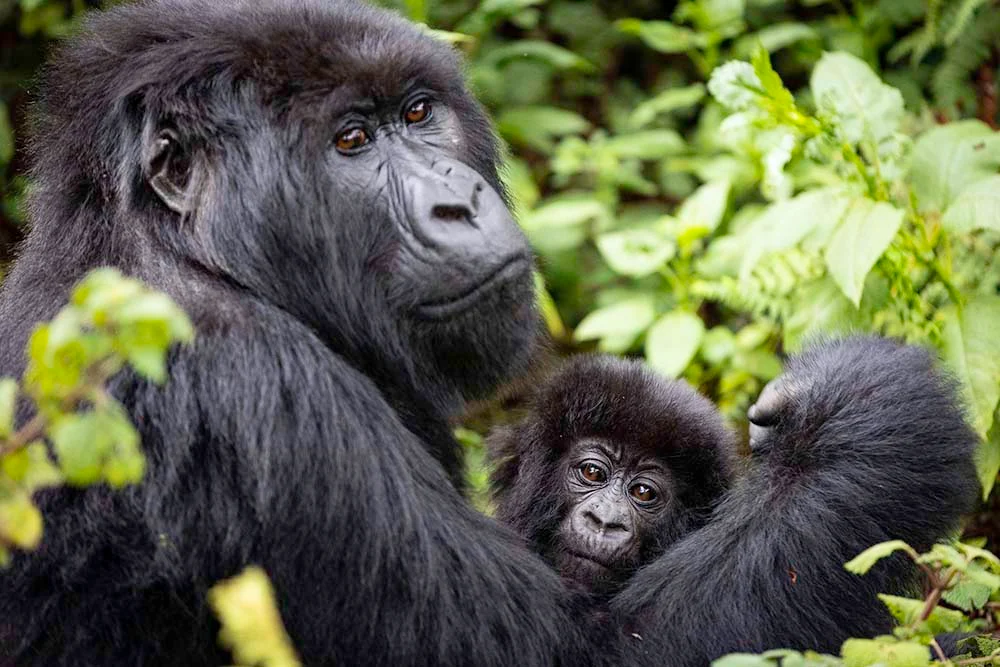
Which Country Has More Gorilla Families Available for Trekking?
Uganda genuinely hosts the largest number of habituated gorilla families available for trekking among the three countries, a direct reflection of Bwindi’s genuinely larger overall gorilla population and its four separate trekking sectors. Which country has more gorilla families available for trekking deserves a specific, factual answer covering how these numbers genuinely break down.
This guide covers how the number of trekkable gorilla families genuinely compares across Uganda, Rwanda, and Congo, what this means for permit availability, and why this number matters for your planning.
Why Uganda’s Larger Population Genuinely Translates to More Families
Given that Bwindi Impenetrable National Park genuinely holds Uganda’s largest mountain gorilla population, spread across its four trekking sectors, Uganda genuinely supports the largest number of individually habituated families available for trekking among the three countries.
The Short Answer: Uganda Genuinely Leads, Followed by Rwanda, Then Congo
Uganda genuinely offers the most habituated families for trekking, spread across Bwindi’s four sectors plus Mgahinga, followed by Rwanda’s Volcanoes National Park, with Congo’s Virunga National Park genuinely offering the fewest among the three.
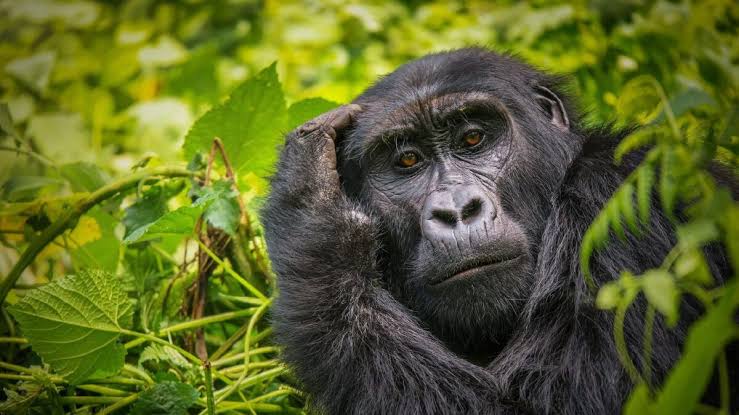
How Bwindi’s Four Sectors Genuinely Contribute to Uganda’s Higher Total
Given that each of Bwindi’s four sectors – Buhoma, Ruhija, Rushaga, Nkuringo – genuinely hosts its own set of habituated families, this sector structure directly explains why Uganda’s total genuinely exceeds Rwanda or Congo’s single-location family counts.
Why Rushaga Specifically Genuinely Hosts the Most Families Within Uganda
Within Uganda itself, Rushaga sector genuinely hosts more habituated families than any other single sector, reflecting this sector’s genuinely higher permit allocation and its role as Uganda’s primary hub for both standard trekking and habituation experiences.
How Rwanda’s Family Count Genuinely Compares to Uganda’s
Rwanda’s Volcanoes National Park genuinely hosts a substantial number of habituated families concentrated in one location, though genuinely fewer in total than Uganda’s combined sector count, given Rwanda’s single-park structure for gorilla trekking.
Why Congo’s Family Count Genuinely Remains the Smallest of the Three
Congo’s Virunga National Park genuinely hosts the fewest habituated families among the three countries, reflecting Congo’s genuinely more limited overall tourism infrastructure and its more recently developing gorilla trekking program compared to its neighbors.
What This Family Count Genuinely Means for Permit Availability
Given that more habituated families genuinely translates directly to more available daily permits, Uganda’s higher family count genuinely means somewhat greater permit availability and flexibility, particularly valuable during peak season when demand runs highest.
How Family Count Genuinely Affects Last-Minute Booking Chances
Trekkers hoping to book permits closer to their travel dates genuinely have somewhat better odds in Uganda given its higher total family count and correspondingly higher daily permit allocation, worth considering this practical factor if your planning timeline is compressed.
Why Family Count Alone Genuinely Shouldn’t Determine Your Country Choice
Given that family count is genuinely just one factor among many – cost, infrastructure, safety, and overall experience also matter significantly – worth weighing this number alongside these other genuinely important considerations rather than as a standalone deciding factor.
How These Numbers Genuinely Change Over Time as Habituation Continues
Given that all three countries genuinely continue habituating new gorilla families over time, these specific numbers gradually shift, worth confirming current, up-to-date family counts with your operator rather than relying on any single fixed figure.
What Rangers and Conservation Officials Say About Family Numbers
Conservation officials across all three countries consistently emphasize that habituation proceeds carefully and gradually to protect gorilla welfare, meaning family count growth genuinely reflects careful conservation practice rather than simply maximizing tourism numbers.
Why Higher Family Count Genuinely Correlates With Broader Sector Choice Too
Given Uganda’s genuinely higher family count spread across multiple distinct sectors, this also means genuinely more choice in trekking location, terrain, and atmosphere compared to Rwanda or Congo’s more concentrated, single-location structure.
How Working With Your Operator Genuinely Helps You Use This Information
Your operator’s current, direct knowledge of exactly how many families are available in each specific location and their current permit availability typically produces more useful, actionable guidance than this general country-level comparison alone.
Why Newer Habituation Programs Genuinely Gradually Narrow the Gap Over Time
Given that both Rwanda and Congo genuinely continue their own habituation efforts, the gap between Uganda’s total and its neighbors’ counts may narrow gradually over time, worth checking current figures rather than assuming Uganda’s lead remains permanently fixed at today’s numbers.
Final Thoughts on Which Country Has More Gorilla Families
Uganda genuinely leads in total habituated gorilla families available for trekking, followed by Rwanda and then Congo – worth weighing this factor alongside cost, infrastructure, and overall experience priorities rather than as your sole deciding consideration.
Why Total Gorilla Population Differs From Trekkable Family Count
Given that not every gorilla group within a park’s total population is genuinely habituated for tourism, the trekkable family count genuinely represents a subset of the broader population, worth understanding this distinction when comparing these specific numbers across countries.
How Group Size Within Each Family Genuinely Varies
Beyond the total number of families, individual family sizes genuinely vary from a handful of members to over twenty in some cases, worth appreciating that family count alone doesn’t capture this additional layer of variation across all three countries.
What This Comparison Means for Trekkers Prioritizing Specific Family Encounters
Trekkers hoping for a specific type of encounter – a larger family group, a family with young gorillas, or a particularly renowned silverback – genuinely benefit from Uganda’s wider selection given its higher overall family count and sector spread.
Why Uganda’s Lead Also Reflects Its Longer Trekking Program History
Given that Uganda’s gorilla trekking program has genuinely operated longer than Congo’s more recently developed offering, this extended history has naturally allowed more time for habituation efforts to accumulate a larger total family count over the years.
Frequently Asked Questions
Does trekkable family count equal total gorilla population?
No, genuinely not – trekkable families represent a habituated subset, worth understanding this distinction when comparing numbers.
Which country has the most habituated gorilla families?
Uganda, genuinely – spread across Bwindi’s four sectors plus Mgahinga, exceeding Rwanda and Congo’s single-location totals.
Which Uganda sector hosts the most families specifically?
Rushaga, genuinely – reflecting its higher permit allocation and role as Uganda’s primary trekking and habituation hub.
Does Rwanda have fewer families than Uganda?
Yes, genuinely – though still substantial, Rwanda’s single-park structure means fewer total families than Uganda’s combined sectors.
Does Congo have the fewest habituated families?
Yes, genuinely – reflecting its more limited infrastructure and more recently developing gorilla trekking program overall.
Does more families mean better permit availability?
Yes, genuinely – more families translates to more daily permits, particularly valuable during high-demand peak season.
Is Uganda better for last-minute permit booking?
Generally, yes – its higher family count and permit allocation gives somewhat better odds for compressed planning timelines.
Should family count alone determine my country choice?
No, genuinely not – cost, infrastructure, safety, and overall experience matter significantly alongside this single factor.
Do these family numbers change over time?
Yes, genuinely – all three countries continue habituating new families gradually, so confirm current counts with your operator.
Does habituation proceed quickly to grow these numbers?
No, genuinely carefully and gradually – conservation officials prioritize gorilla welfare over rapid tourism-driven expansion.
Does higher family count mean more sector choice too?
Genuinely, yes – Uganda’s spread across multiple sectors offers more choice in terrain and atmosphere than single-location countries.
Should I rely on my operator for current family and permit numbers?
Genuinely worth it – their current, direct knowledge produces more actionable guidance than general country-level comparisons.
Is this family count difference significant for trip planning?
Somewhat, yes – particularly for flexibility and last-minute booking, though not typically a decisive factor alone.
Does Rushaga’s family count affect its popularity?
Yes, genuinely – its higher allocation makes it a practical, popular fallback choice, especially during peak season.
Are new families still being habituated across all three countries?
Yes, genuinely – this ongoing process gradually grows the trekkable population in all three destinations over time.
What matters most alongside family count when choosing a country?
Your priorities around cost, infrastructure, safety, and the overall experience each destination genuinely offers.
Does family size vary within each country’s total family count?
Yes, genuinely – individual families range from a handful of members to over twenty, adding another layer of variation.
Does Uganda’s wider selection help trekkers seeking a specific encounter?
Genuinely, yes – its higher family count and sector spread offer more choice for a specific type of family encounter.
Could Rwanda or Congo’s family count eventually catch up to Uganda’s?
Possibly, gradually – both continue their own habituation efforts, so worth checking current figures rather than assuming today’s gap is fixed.
Does Uganda’s longer trekking history explain part of its lead?
Yes, genuinely – its longer-operating program has had more time to accumulate a larger total habituated family count.
Plan the Rest of Your Trip
For the full cost picture, this full cost breakdown is worth reading, alongside this Rushaga accommodation guide. For further planning, this Rwanda vs Uganda comparison is a useful next read, and this Bwindi sector comparison covers Uganda’s four trekking regions.