
Zebras of Lake Mburo: Uganda’s Most Reliable Place to See Them
Travelers researching Uganda safaris sometimes arrive with one specific assumption genuinely worth correcting upfront: zebras are not, in fact, found in every African savanna park, and within Uganda specifically, this genuinely striking species occurs in only two national parks countrywide. Lake Mburo National Park genuinely stands as Uganda’s most reliable, consistently rewarding location for zebra sightings overall, hosting the country’s single largest zebra population by a genuinely considerable margin, while Kidepo Valley National Park in the far northeast maintains a considerably smaller, less consistently visible population of the same species. Understanding this key distinction, and what makes Lake Mburo specifically such dependable zebra territory, helps travelers set genuinely accurate expectations before planning a trip built around this specific wildlife encounter.
Why Zebras Are So Genuinely Rare Across Uganda
Uganda’s overall national landscape leans considerably more toward dense forest and moist savanna than the open, drier grassland zebras typically favor across East Africa, meaning most of the country’s protected areas simply lack the specific habitat type this species depends on. Lake Mburo and Kidepo together represent Uganda’s only two genuine pockets of this drier savanna habitat type, explaining why these particular parks, rather than any of Uganda’s more famous destinations, hold the country’s entire zebra population between them. This genuine scarcity is precisely what makes a Lake Mburo zebra sighting feel truly special to travelers who have already spent time in Bwindi, Queen Elizabeth, or Murchison Falls, none of which host this species at all.
Why Lake Mburo Delivers More Consistent Sightings Than Kidepo
While both parks host plains zebras, Lake Mburo’s considerably larger population and its smaller, more compact overall size, at roughly 260 square kilometers, Uganda’s smallest savanna national park, combine to make zebra sightings here genuinely dependable in a way Kidepo’s larger, more sparsely populated landscape cannot quite match with the same consistency. Travelers specifically prioritizing a guaranteed zebra encounter, rather than treating it as a hopeful bonus alongside other wildlife, should generally favor Lake Mburo for this specific purpose, reserving Kidepo’s zebra population as a welcome addition to a trip already justified by that park’s other genuinely exclusive species, cheetahs and ostriches among them.
What Makes Plains Zebras Genuinely Distinctive
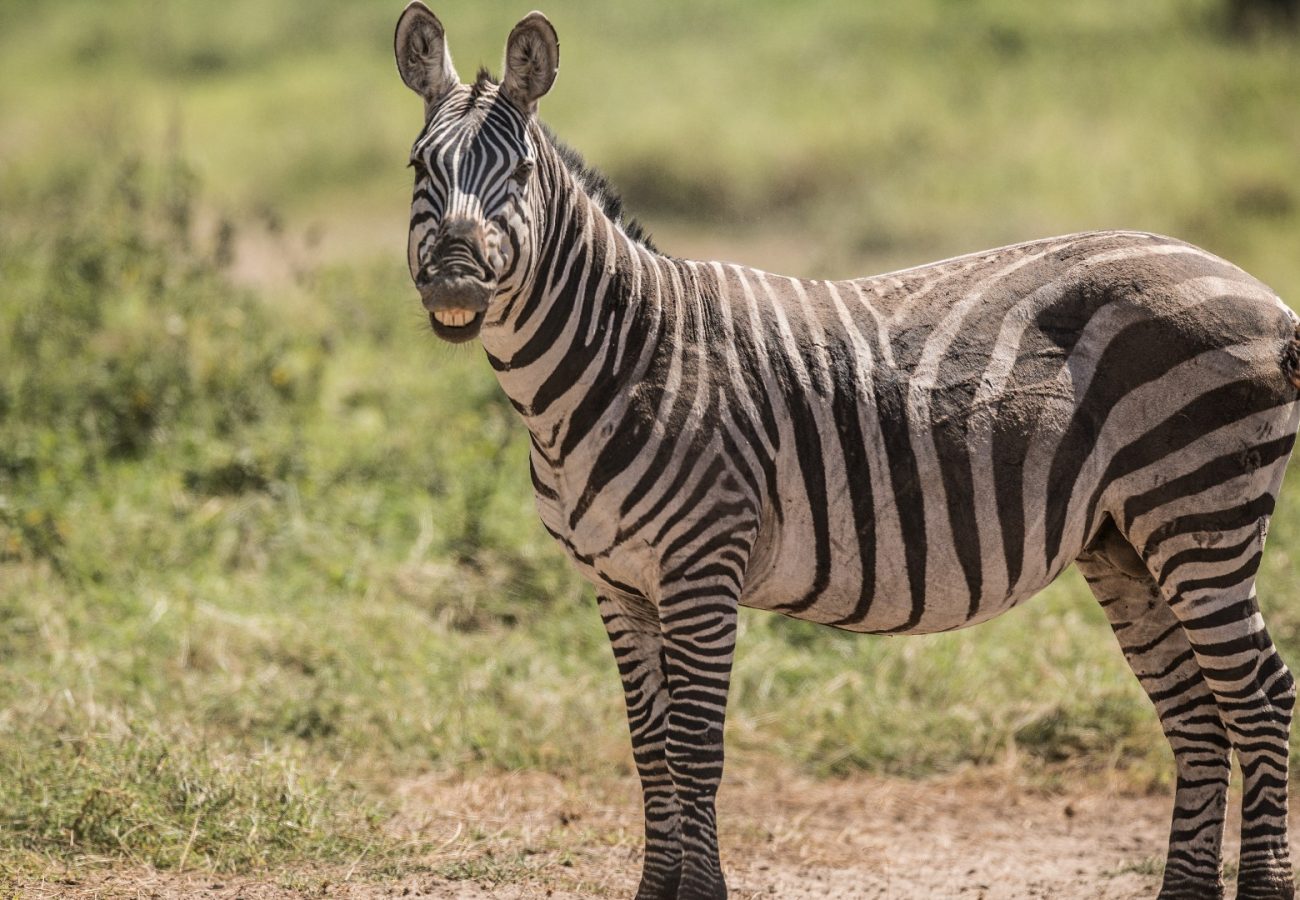
Lake Mburo’s zebras belong to the plains zebra species, instantly recognizable by their bold black-and-white striping, patterns that fade somewhat toward the legs and that, much like human fingerprints, differ in exact configuration from one individual to the next. This individual variation means experienced guides and researchers can sometimes identify specific zebras within a herd based on stripe pattern alone, a detail worth asking about during a game drive if you have a guide with genuine familiarity with the park’s resident population. Zebras typically move in family groups led by a dominant stallion, and observing this social structure during a game drive, protective positioning around foals, coordinated group movement when a potential threat appears, adds genuine behavioral interest beyond simply appreciating the species’ striking visual pattern.
Lake Mburo’s Broader Wildlife Beyond Zebras
Zebras genuinely share Lake Mburo’s landscape with impala, found here in numbers unmatched anywhere else in Uganda, along with buffalo, giraffe, warthog, and a genuinely impressive bird checklist running past 300 species. This broader wildlife community means a Lake Mburo visit rewards travelers well beyond the specific zebra draw, offering a genuinely comprehensive savanna wildlife experience within a park considerably more compact and accessible than Uganda’s larger, more remote destinations. The park’s manageable size also means game drives here tend to produce sightings more efficiently than the longer, sometimes less predictable drives required across Uganda’s more expansive parks.
Why Lake Mburo’s Compact Size Is a Genuine Advantage
Being Uganda’s smallest savanna national park is not a limitation for Lake Mburo but rather a genuine practical advantage for travelers with limited time. Sitting conveniently close to the main route between Kampala and southwestern Uganda, roughly 30 kilometers from Mbarara, Lake Mburo works naturally as a stopover destination for travelers heading toward Bwindi or Queen Elizabeth, rather than requiring a dedicated, separate journey the way Kidepo’s remote northeastern location demands. This accessibility, combined with the park’s reliable zebra population, makes Lake Mburo a genuinely efficient addition to itineraries that might otherwise skip zebra sightings entirely given how logistically demanding a dedicated Kidepo trip represents for travelers with more limited time.
Timing Your Visit for the Best Zebra Viewing
Zebras genuinely remain visible at Lake Mburo throughout the entire year, unlike some more seasonally dependent wildlife elsewhere in Uganda, though early morning and late afternoon game drives still consistently produce the most active viewing, when temperatures are cooler and zebras move and graze more visibly across open grassland rather than resting in whatever shade the terrain offers during the hottest midday hours. This year-round reliability is part of what makes Lake Mburo such a dependable addition to nearly any Uganda itinerary, regardless of which specific months your broader trip happens to fall within.
Planning a Trip Around Lake Mburo’s Zebras
A genuinely well-paced three-day Lake Mburo National Park safari gives travelers ample, genuine time to enjoy reliable zebra sightings alongside the park’s broader wildlife community, game drives, boat trips on the lake itself, and the park’s genuinely rich birdlife all worth building into a properly well-rounded visit rather than a single rushed afternoon stopover. Travelers with only a day or two available can still reasonably expect a genuine zebra sighting given the population’s density and consistency here, though a longer stay naturally opens up the walking and horseback options that make Lake Mburo genuinely distinctive among Uganda’s savanna parks. Lake Mburo’s zebras represent one of Uganda’s more quietly underappreciated wildlife highlights, a genuinely striking species available in only two of the country’s parks, with Lake Mburo offering by far the more consistent, accessible way to encounter them without requiring the considerable additional time and effort a Kidepo Valley trip demands. Travelers who eventually manage to visit both parks within the same broader Uganda itinerary get the rare opportunity to compare the same species across two genuinely different landscapes, Lake Mburo’s more compact, gently rolling savanna against Kidepo’s vast, semi-arid valleys, a comparison few visitors to any single African country ever get to make within one trip.
Common Misconceptions Worth Clearing Up Before You Book
A surprising number of travelers assume, reasonably enough given how commonly zebras feature in general African safari marketing, that any Uganda savanna park will deliver a zebra sighting alongside lions, elephants, and buffalo. This assumption leads to genuine disappointment when travelers who spent their entire trip at Queen Elizabeth or Murchison Falls, both genuinely excellent parks in their own right, discover only afterward that neither location hosts zebras at all. Confirming this detail directly with your tour operator during the earliest stages of itinerary planning, rather than assuming zebras are simply a given wherever you happen to be doing a game drive in Uganda, prevents this specific disappointment and ensures Lake Mburo or Kidepo gets built into your itinerary deliberately if seeing this species genuinely matters to you.
How Lake Mburo’s Zebra Population Has Fared Over Time
Lake Mburo’s zebra population has remained genuinely stable and healthy across recent decades, a reflection of the park’s consistent management and the relatively contained, well-monitored nature of a smaller protected area compared to some of Uganda’s larger, more logistically challenging parks to patrol comprehensively. This stability stands as one of the quieter conservation success stories within Uganda’s broader park system, rarely mentioned alongside the country’s more publicized gorilla and elephant recovery narratives but genuinely significant in its own right for maintaining Uganda’s only substantial population of a species found nowhere else in the country at meaningful scale.
Game Drives and Other Ways to See Lake Mburo’s Zebras
Beyond standard vehicle-based game drives, Lake Mburo offers activities considerably less common at Uganda’s other savanna parks, including guided walking safaris and horseback riding through areas of the park where predator density is low enough to make these closer, more immersive wildlife encounters genuinely safe. Encountering zebras on foot or from horseback, rather than exclusively from within a vehicle, offers a genuinely different perspective on the species, a closer, quieter approach that a moving vehicle simply cannot replicate, and one that many repeat visitors specifically seek out as a highlight distinct from anything available at Uganda’s larger, more predator-dense parks where walking safaris are considerably more restricted for safety reasons.
Boat Safaris and Zebras Near the Water
Lake Mburo’s own namesake lake adds a further dimension to wildlife viewing here, and zebras occasionally appear along the shoreline during a boat safari, drinking or grazing near the water’s edge alongside the park’s hippo and crocodile population that more typically headlines the boat trip itself. This water-adjacent zebra viewing represents a genuinely different context from the open-grassland sightings a standard game drive typically produces, adding one more reason Lake Mburo rewards a properly varied, multi-activity visit rather than a single rushed game drive treated as sufficient to claim you have seen the park.