
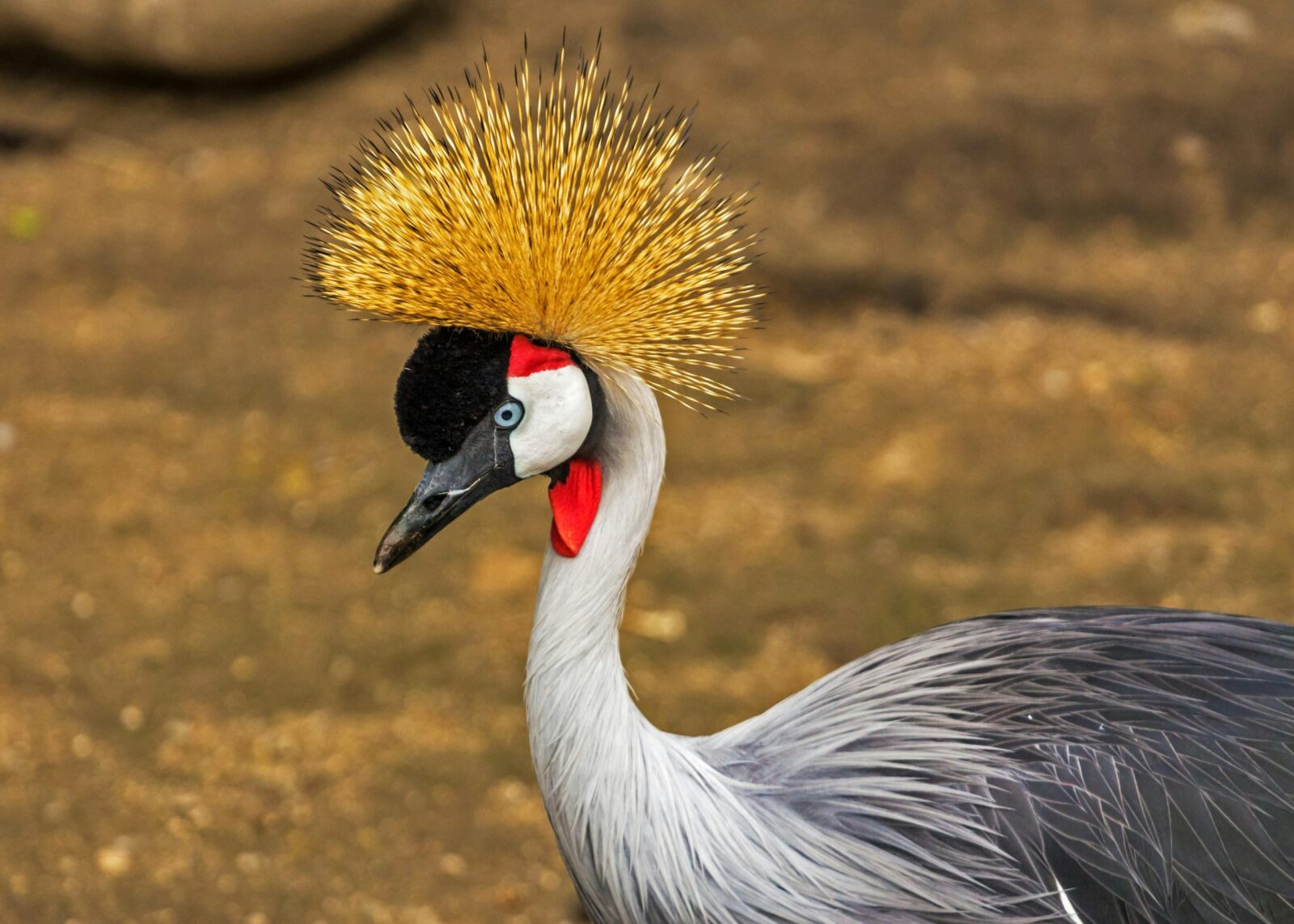
Birding in Kidepo Valley: Over 475 Species in a Remote Landscape
Dedicated birders researching East Africa’s genuinely premier birding destinations eventually run into the exact same recurring name, Kidepo Valley National Park, mentioned consistently alongside far more famous sites despite sitting in one of Uganda’s most remote, hardest-to-reach corners. Kidepo genuinely hosts a remarkable, extensive bird checklist running to roughly 475 recorded species, the second-highest total of any protected area in Uganda behind only Queen Elizabeth National Park, but with a genuinely distinctive composition that sets it apart from every other Ugandan birding destination. Genuinely understanding what makes Kidepo’s bird list so different, and why serious birders increasingly treat the long journey here as genuinely worthwhile, helps explain this park’s genuinely outsized reputation within the dedicated birding community specifically, a reputation earned entirely on the strength of what the checklist itself actually contains rather than any marketing effort.
Species Found Nowhere Else in Uganda
Roughly 60 distinct species recorded at Kidepo have not been documented anywhere else in any of Uganda’s other national parks, a genuinely remarkable statistic for a single protected area operating within one national park system. This exclusivity traces directly to Kidepo’s distinctive semi-arid, dry-country habitat, considerably different from the wetter, more forested ecosystems dominating much of southern and western Uganda, supporting an entirely different community of dry-country specialist species that simply cannot survive in the country’s more typical rainforest and moist savanna environments. For birders who have already worked through Uganda’s more accessible parks, Kidepo represents one of the only remaining ways to meaningfully expand a Uganda-specific species list within the country’s own borders.
The Dry-Country Specialists Worth Seeking Out
Kidepo’s checklist includes around 100 dry-country resident species shared with northern Kenya’s similarly arid ecosystems, several of which occur nowhere else in Uganda at all. Rose-ringed parakeets, Clapperton’s francolin, and the Karamoja apalis, a species essentially endemic to this specific region and barely recorded elsewhere in the country, top the list of specialty sightings serious birders travel specifically to Kidepo hoping to encounter. Of the roughly 32 species considered characteristic of Uganda’s dry-country and semi-arid habitat type nationally, 23 occur specifically within Kidepo, making this single park responsible for the overwhelming majority of Uganda’s dry-country bird diversity in one concentrated location. This concentration is precisely why serious birders treat Kidepo not as an optional extension to a standard Uganda itinerary but as a genuinely essential destination for anyone building a comprehensive national species list, since no combination of visits to the country’s other parks can substitute for the specific habitat type Kidepo alone provides.
Kori Bustard, Secretary Bird, and Kidepo’s Larger Specialties
Beyond the smaller specialist species, Kidepo hosts several genuinely dramatic larger birds rarely or never encountered in Uganda’s other parks. The kori bustard, one of the heaviest flying birds in the world, moves across Kidepo’s open grassland with a distinctive, deliberate gait that makes for memorable viewing even for visitors without a specific birding focus. The secretary bird, instantly recognizable by its long legs and distinctive crest of feathers resembling old-fashioned quill pens, hunts across the same open terrain, and the Abyssinian ground hornbill, a genuinely large, striking species with a preference for walking rather than flying across open ground, rounds out a trio of larger, visually arresting species that reward even casual observation during a standard game drive. All three species share a genuine preference for exactly the kind of open, unobstructed grassland Kidepo’s Narus and Kidepo valleys provide in abundance, meaning a standard game drive through these central areas often produces reliable sightings without requiring any specific detour or dedicated birding-only outing.
Kidepo’s Exceptional Raptor Diversity
Kidepo genuinely ranks among Uganda’s very finest raptor-watching destinations overall, with 56 recorded species spanning an enormous size range from the diminutive pygmy falcon, one of Africa’s smallest raptors, up to the considerably larger secretary bird and various eagle species patrolling the park’s open skies. This raptor diversity reflects the same open, semi-arid habitat that supports Kidepo’s other dry-country specialists, since these hunting birds depend on exactly the kind of unobstructed sightlines across open grassland that Kidepo’s terrain provides in abundance compared to the denser forest canopy dominating much of Uganda’s other protected areas. Dedicated raptor enthusiasts specifically prioritizing this family of birds will find few if any other Uganda destinations offering comparable diversity within a single park. Vultures, too, feature prominently among Kidepo’s raptor community, several species circling on thermals above the open valleys, a sight increasingly rare across much of Africa given widespread vulture population declines elsewhere on the continent, making Kidepo’s still-healthy vulture presence a genuinely significant conservation detail worth appreciating beyond its simple visual spectacle.
The Common Ostrich: Uganda’s Rarest Birding Prize
No discussion of Kidepo’s birdlife is complete without addressing its single most famous resident: the common ostrich, the largest living bird on Earth and a species found reliably nowhere else in Uganda’s national park system. Our page on the wildlife of Kidepo Valley covers this specific species and Kidepo’s other exclusive mammals in more depth, useful background for travelers building a trip specifically around the park’s genuinely unique combination of species. Ostrich sightings are generally reliable enough that most Kidepo visitors encounter the species without needing to plan around it specifically, though early morning and late afternoon drives across the park’s open valleys still offer the strongest overall odds, consistent with the timing recommendations that apply to most of Kidepo’s other wildlife and birdlife alike.
When and Where to Bird Within the Park
The Narus Valley, Kidepo’s single most productive general wildlife-viewing area overall, similarly delivers genuinely strong birding given how much of the park’s raptor and larger bird activity concentrates around the same water sources and open grassland that draw the park’s mammal populations. Early morning hours consistently and reliably produce the most active birding, when temperatures remain cool and many species are most vocally and visibly active before the day’s heat sets in, a pattern consistent with birding recommendations across Uganda’s other parks but particularly worth prioritizing given how demanding Kidepo’s remote location already makes trip planning. Dedicated birding guides familiar with the park’s specific dry-country specialists bring genuine value here, since locating species like the Karamoja apalis or Clapperton’s francolin often requires knowledge of specific habitat preferences that a general wildlife guide may not have developed to the same degree. Requesting a birding-specialist guide directly when booking, rather than assuming any standard Kidepo guide brings equivalent expertise, is worth the extra step for travelers whose primary trip motivation is genuinely birding rather than mammal-focused game viewing.
Building a Birding-Focused Kidepo Itinerary
Given how genuinely significant a journey reaching Kidepo already represents for most travelers, serious birders should build in enough time to genuinely explore the park’s birding opportunities rather than treating birds as a secondary interest squeezed around mammal-focused game drives. A minimum of two to three genuinely full days allows enough time to properly cover multiple distinct habitat zones within the park, the open Narus Valley, denser vegetation along water sources, and the park’s rockier terrain, each supporting a somewhat different bird community worth exploring specifically rather than assuming a single game drive route captures the park’s full diversity. Combining vehicle-based game drives with at least one dedicated walking session, where permitted and accompanied by an armed ranger given the park’s genuine wildlife density, often produces sightings a moving vehicle alone would miss entirely, since many of Kidepo’s smaller dry-country specialists are considerably easier to locate and identify at a slower, more deliberate walking pace.
Photography Considerations for Kidepo’s Birdlife
Photographing Kidepo’s birds genuinely presents distinct technical challenges compared to birding within Uganda’s denser, considerably more forested parks elsewhere. The open terrain that makes species like the kori bustard and secretary bird relatively easy to spot also means subjects are frequently at considerable distance, making a genuinely capable, quality telephoto lens essential rather than merely optional for anyone hoping to capture detailed images rather than simply distant silhouettes against open grassland. Harsh midday light across Kidepo’s exposed terrain can also prove challenging, reinforcing the value of concentrating serious photography efforts around the cooler, softer-light conditions of early morning and late afternoon that already reliably produce the strongest general birding activity across the park.
Planning a Trip Around Kidepo’s Birdlife
Our broader page on getting to Kidepo Valley covers the transport logistics worth understanding before committing to a trip built around this park’s genuinely exceptional birding opportunities. Kidepo Valley’s bird list, 475 species strong and including dozens found nowhere else in Uganda, represents one of the country’s most compelling arguments for venturing beyond the more established southern safari circuit, a destination that rewards dedicated birders with a genuinely distinctive checklist unavailable anywhere else within Uganda’s borders. Birders who have already worked through the standard southern circuit, Bwindi, Queen Elizabeth, Murchison Falls, consistently describe Kidepo as the single addition that most meaningfully expanded their overall Uganda species list, a genuine testament to just how different this park’s ecology remains from everywhere else the country’s more established birding routes typically cover.