
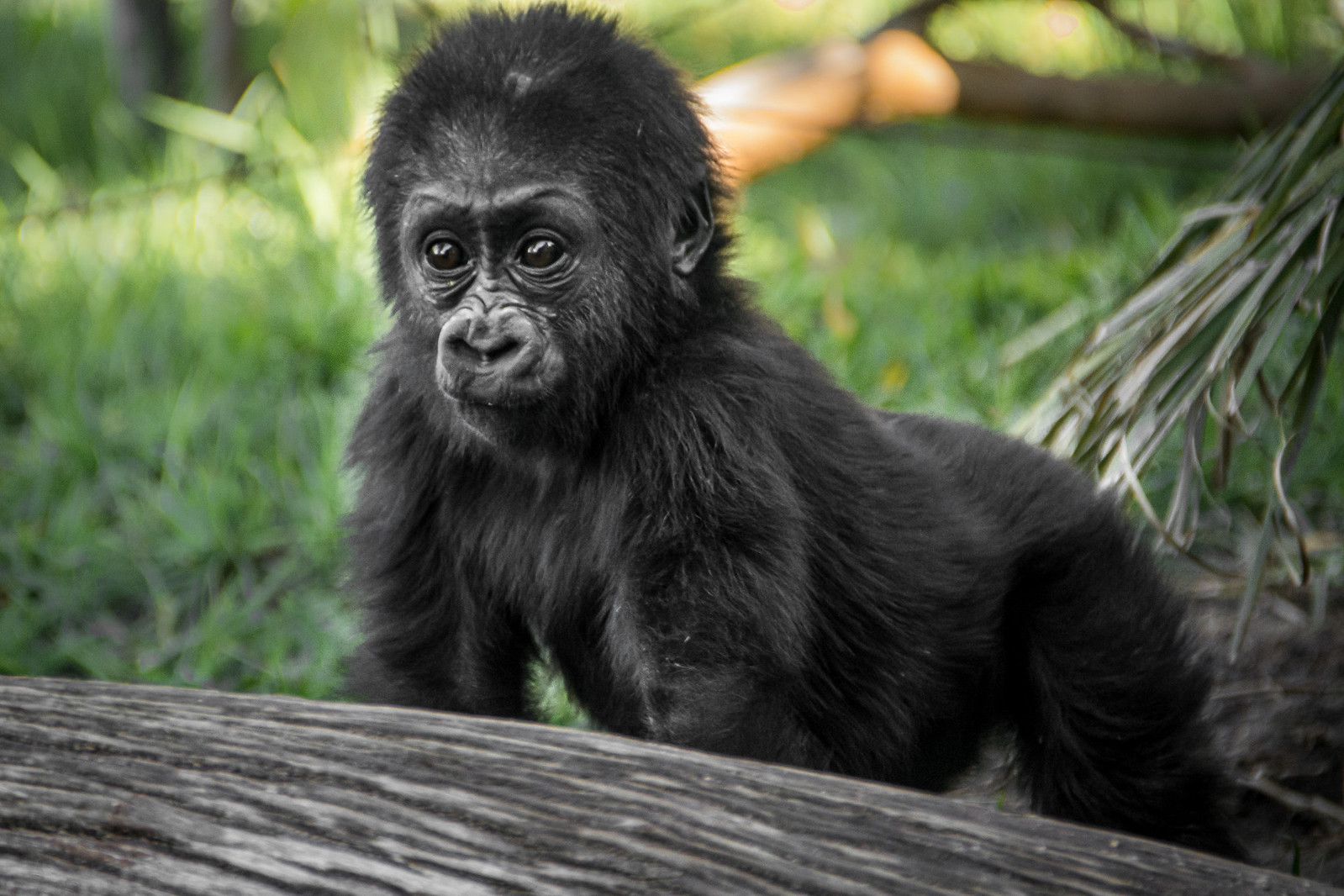
What Happens If Gorillas Are Not Found on Your Safari?
The Simple Reality First
In official gorilla trekking destinations like Uganda and Rwanda, it is extremely rare not to find gorillas on a permitted trek. The success rate is effectively very high because professional trackers go into the forest early and locate gorilla families before visitors even begin hiking.
So in normal circumstances, you will almost always find the gorillas on the same day.
However, understanding what happens in the rare situation of difficulty is important for realistic expectations.
Why Finding Gorillas Is Usually Guaranteed
Gorilla trekking is not a “search and hope” activity in the casual sense. It is a tracked and coordinated system.
Before tourists start trekking, experienced rangers and trackers go ahead into the forest very early in the morning. Their job is to:
- Locate gorilla families
- Monitor their movement
- Communicate their position back to headquarters
By the time visitors begin the hike, the location of each assigned gorilla family is already known or closely estimated.
This system is why gorilla trekking is one of the most reliable wildlife experiences in Africa.
What “Not Found” Actually Means in Practice
When people ask what happens if gorillas are not found, they are usually imagining a situation where no gorillas are located at all.
In reality, there are two different scenarios:
The first is when gorillas are temporarily hard to reach because they moved far deeper into the forest. The second is a very rare logistical or environmental disruption affecting tracking operations.
The first scenario is far more common, but even then, gorillas are still found during the same trekking day.
What Happens If Gorillas Are Far Away
Sometimes gorilla families move long distances overnight in search of food. In such cases, trekking can take several hours before reaching them.
Visitors may hike longer than expected, sometimes deep into dense forest or steep terrain, but rangers continue tracking until the group is located.
Once found, the standard one-hour viewing rule still applies.
There is no cancellation of the encounter simply because the trek is long or difficult.
What If a Trek Becomes Too Difficult or Unsafe
In rare situations where conditions become extremely challenging due to weather, terrain instability, or unexpected environmental factors, rangers may adjust plans for safety.
This does not mean gorillas are “not found,” but rather that the trekking route or timing is modified.
If necessary, rangers may:
- Change the trekking group assignment
- Adjust the route
- Delay the start time
- Reallocate visitors to a different gorilla family where possible
These decisions are always made with safety as the priority.
Are Permits Refundable If Gorillas Are Not Seen?
In official gorilla trekking systems, permits are generally not refunded simply because trekking was difficult or long, because the experience is based on tracking wild animals in their natural habitat.
However, in the extremely rare case where a trek is officially canceled by park authorities due to uncontrollable circumstances such as extreme weather or park closures, policies may allow for rescheduling or alternative arrangements.
These situations are exceptional rather than normal.
Why Full “Failure to Find Gorillas” Is Almost Impossible
The idea of not finding gorillas at all is very uncommon because:
Gorilla families are continuously monitored
Tracking teams operate daily across all sectors
Habituated groups remain within known territories
Rangers have deep knowledge of movement patterns
Even when gorillas move far, they are still located during the same operational day.
This is why gorilla trekking is considered one of the most reliable wildlife encounters in Africa.
What Your Experience Would Feel Like in a Long Search
If you are on a trek where gorillas are far away, your experience would look like a longer forest hike rather than a short walk.
You would:
- Hike for extended periods through rainforest terrain
- Follow ranger instructions closely
- Move gradually toward updated tracking locations
- Eventually reach the gorilla family after effort
For many travelers, this part of the journey still feels meaningful because it increases anticipation and immersion in the forest environment.
Emotional Side of the Experience
Even when trekking takes longer than expected, most visitors do not feel disappointed once gorillas are found.
In fact, the journey often enhances the emotional impact because:
- The anticipation builds gradually
- The forest immersion is deeper
- The final encounter feels more rewarding
The difficulty of the search becomes part of the story.
How Guides Manage Expectations
Professional guides prepare visitors from the beginning by explaining that gorilla trekking is not a guaranteed “quick sighting” experience.
They emphasize:
- Gorilla movement is natural and unpredictable
- Trekking time varies daily
- Patience is part of the experience
This helps ensure travelers understand the wilderness nature of the activity.
In practice, gorillas are almost always found during your trekking day because of highly organized tracking systems and professional ranger coordination.
There is no typical situation where gorillas are completely not found during a permitted safari. Instead, what may happen is a longer or more challenging trek before reaching them.
The experience is designed around wild animal movement, not fixed viewing schedules, and this unpredictability is part of what makes gorilla trekking one of the most authentic wildlife encounters in the world.