
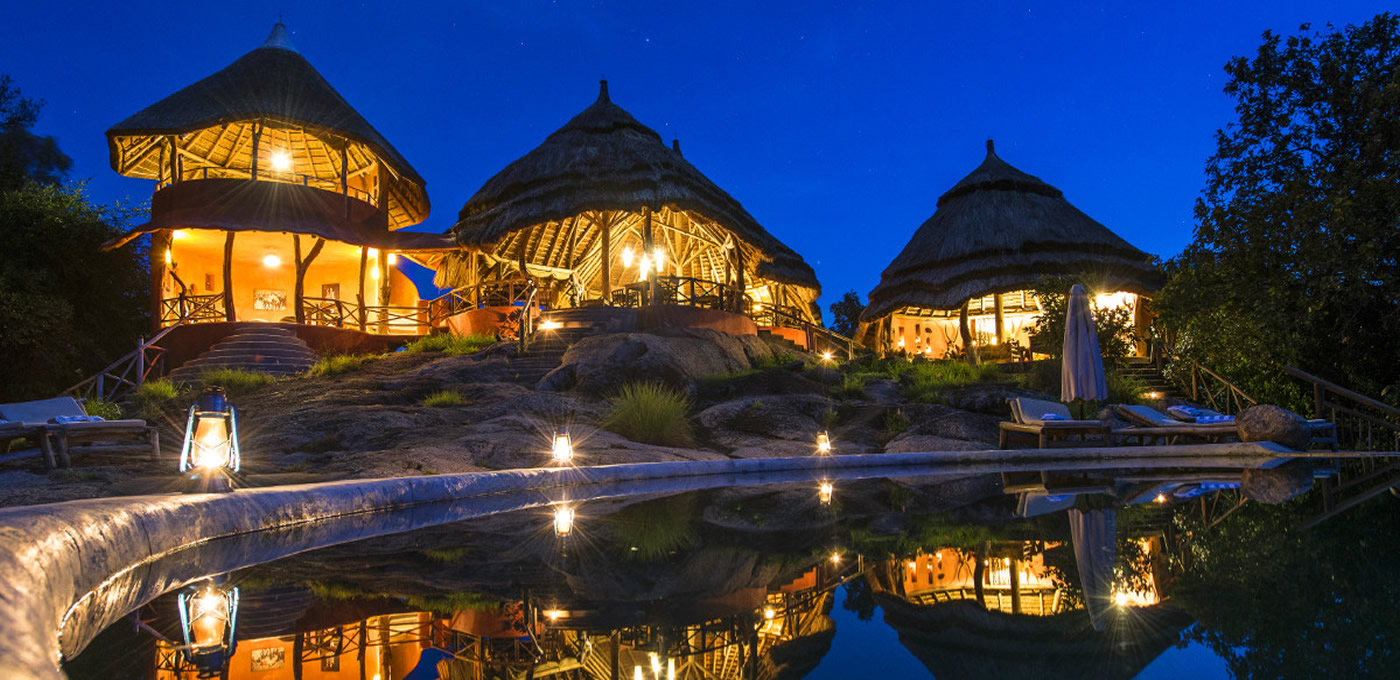
Gorilla Safari Eco-Lodges: Sustainable Stays Near the Gorillas (2026 Guide)
Eco-lodges around gorilla trekking regions are no longer niche-they are now central to how conservation tourism works in East Africa. In destinations like Volcanoes National Park and Bwindi Impenetrable National Park, eco-lodges play a dual role: they provide accommodation while directly supporting gorilla conservation, community livelihoods, and habitat protection.
Unlike conventional safari lodges, eco-lodges are designed to minimize environmental impact while maximizing local benefit. That means solar power systems, locally sourced materials, water recycling, reduced plastic use, and employment of nearby communities are not marketing points-they are operational standards.
This guide explores the best gorilla eco-lodges and how they balance sustainability with comfort and access.
What Makes a Gorilla Lodge “Eco”?
A true eco-lodge near gorilla habitats is defined less by aesthetics and more by systems and ethics.
Most operate with low-impact architecture, using wood, stone, and volcanic rock instead of high-energy construction materials. Many are partially or fully solar-powered and rely on rainwater harvesting systems.
Waste management is tightly controlled to avoid pollution of fragile forest ecosystems. Food sourcing is often local, reducing transport emissions and supporting nearby farmers.
Importantly, eco-lodges contribute directly to conservation funding and community projects. A portion of revenue typically supports park protection, ranger salaries, or education initiatives in surrounding villages.
This model ensures that gorilla tourism becomes an incentive for protection rather than exploitation.
Eco-Lodges in Volcanoes National Park (Rwanda)
The lodge ecosystem around Volcanoes National Park is one of the most developed in Africa when it comes to sustainability and high-end conservation tourism.
Bisate Lodge: Reforestation-Led Luxury
Bisate Lodge is one of Africa’s most recognized eco-lodges. It is built on a former degraded landscape that has been actively reforested as part of its core mission.
The villas are designed to resemble traditional Rwandan royal architecture, but the deeper value lies in its environmental restoration work. Thousands of indigenous trees have been planted as part of its long-term ecological recovery program.
Guests experience high-end comfort, but the lodge’s identity is rooted in conservation science and ecosystem rebuilding.
Singita Kwitonda Lodge: Conservation at Scale
Singita Kwitonda Lodge is located near the edge of Volcanoes National Park and is structured around a low-impact luxury model.
The lodge emphasizes sustainability through renewable energy systems, water recycling, and responsible sourcing. It also supports large-scale conservation initiatives and community development programs.
Its design integrates seamlessly with the surrounding volcanic landscape, making it both visually subtle and environmentally aligned.
This is one of the most advanced examples of eco-luxury safari infrastructure in the region.
Sabyinyo Silverback Lodge: Community-Owned Model
Sabyinyo Silverback Lodge operates on a unique community ownership structure, meaning a portion of profits goes directly to local communities surrounding the park.
This model ensures that tourism benefits are distributed locally, supporting schools, healthcare, and livelihoods.
The lodge uses natural materials and maintains a low environmental footprint while offering strong proximity to gorilla trekking starting points.
Its strength lies not in architectural innovation but in its social sustainability model.
One&Only Gorilla’s Nest: Eco-Integration with Luxury
One&Only Gorilla’s Nest blends modern luxury with ecological design principles. Built within a eucalyptus forest zone near the park, it incorporates renewable energy systems and low-impact landscaping.
While more resort-like in style, it integrates sustainability practices into its operations, including waste reduction and local sourcing.
It is particularly suited for travellers who want comfort without disconnecting from environmental consciousness.
Eco-Lodges in Bwindi Impenetrable Forest (Uganda)
In Uganda’s gorilla regions, particularly within Bwindi Impenetrable National Park, eco-lodges are often smaller, more rustic, and deeply integrated into forest conservation zones.
Sanctuary Gorilla Forest Camp: Inside the Forest Core
Sanctuary Gorilla Forest Camp is one of the few lodges located inside Bwindi itself, giving it exceptional ecological immersion.
Its tented design blends into the forest canopy, and wildlife occasionally passes through the camp area. The lodge operates with strict environmental controls due to its protected location.
It represents one of the closest possible human-nature interfaces in gorilla tourism.
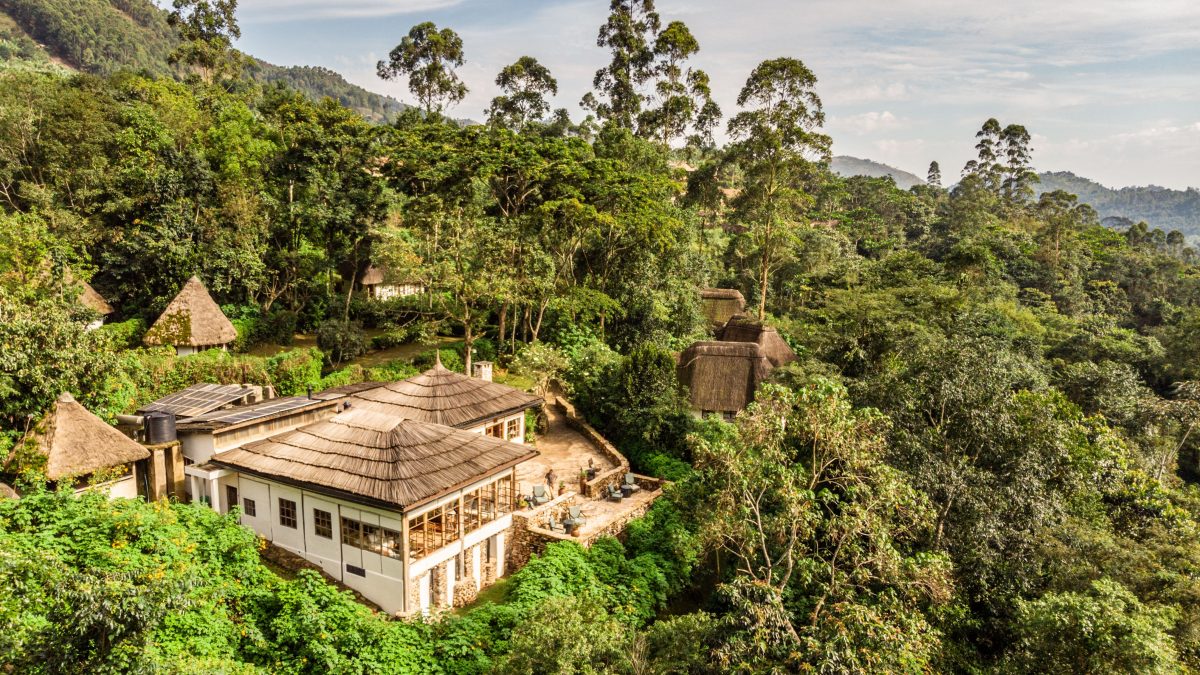
Bwindi Lodge: Sustainable Forest Design
Bwindi Lodge is a well-established eco-lodge that uses locally sourced materials and low-impact construction principles.
Its bandas face directly into the forest, reducing unnecessary land disturbance and maximizing natural ventilation instead of energy-heavy systems.
The lodge also supports community projects in surrounding areas, reinforcing its sustainability model.
Nkuringo Eco-Lodges: Community Conservation Focus
Nkuringo’s eco-lodge network in southern Bwindi is closely tied to community-based tourism initiatives.
These lodges emphasize education, conservation funding, and local employment. A portion of tourism revenue is reinvested into social programs, including education and environmental awareness projects.
The design is simpler than high-end eco-lodges, but the conservation impact is strong.
Gorilla Safari Lodge: Forest Edge Sustainability
Gorilla Safari Lodge sits near the boundary of Bwindi and uses a low-impact design approach with natural materials and minimal environmental disruption.
Its cottages are positioned to reduce forest intrusion while still maintaining close access to trekking points.
It represents a mid-range eco approach where practicality and conservation coexist.
Why Eco-Lodges Matter for Gorilla Conservation
Eco-lodges are not just accommodation providers-they are part of the conservation economy.
Mountain gorillas depend heavily on habitat protection, and tourism revenue is one of the main funding sources for this protection.
By staying in eco-lodges, travellers contribute directly to:
Anti-poaching patrol funding
Habitat restoration projects
Community livelihood programs
Education initiatives near park boundaries
In some regions, eco-tourism has replaced deforestation incentives, making gorilla survival economically viable for local communities.
Comfort vs Sustainability: What to Expect
Eco-lodges vary significantly in comfort level.
High-end eco-lodges combine sustainability with luxury infrastructure, including fine dining, private villas, and premium service.
Mid-range eco-lodges focus on balance-comfortable rooms, solid facilities, and strong environmental policies.
Community eco-lodges prioritize impact over luxury, offering simpler accommodation but deeper cultural and conservation engagement.
Choosing between them depends on whether your priority is comfort, immersion, or conservation contribution.
Location Still Drives Experience
Even in eco-lodges, proximity to trekking points remains critical.
Lodges closer to Kinigi in Rwanda or near gorilla sectors in Bwindi reduce early morning travel time, improving overall trekking efficiency.
Eco-lodges further away often compensate with scenic value or deeper immersion, but require longer transfers.
Balancing sustainability with logistics is part of the planning process.
Gorilla eco-lodges around Volcanoes National Park and Bwindi Impenetrable National Park represent one of the most successful models of conservation tourism in Africa.
They are not just places to stay-they are active participants in protecting mountain gorillas, restoring habitats, and supporting local communities.
From high-end sustainable retreats like Bisate Lodge and Singita Kwitonda to community-driven eco-lodges in Bwindi, each property contributes to a larger conservation system.
Choosing an eco-lodge means your safari is not only about witnessing gorillas in the wild-it is also about helping ensure they remain there for generations to come.