
Gorilla Safari Lodge Check-In: What Happens on Arrival Day (2026 Guide)
Arrival day at a gorilla safari lodge is often underestimated, yet it is one of the most important parts of the entire trekking experience. In remote rainforest destinations such as Bwindi Impenetrable National Park and Volcanoes National Park, check-in is not just about receiving a room key. It is a structured transition from long-distance travel into a protected wilderness environment where gorilla trekking logistics, safety briefings, and physical preparation begin.
This guide explains exactly what happens when you arrive at a gorilla safari lodge, how the check-in process works, and what you should expect during your first few hours in the forest zone.
Arrival Into Gorilla Country: The First Impression
Arrival into gorilla regions is usually after a long road transfer from major towns like Kigali, Entebbe, or Kisoro. Roads become narrower, steeper, and more scenic as you approach the forested zones.
Unlike urban hotels, gorilla lodges are often isolated and surrounded by nature. The first impression is usually silence, fresh air, and dense vegetation rather than traffic or buildings.
Most lodges are designed to immediately slow down your pace. Staff often greet guests with a welcome drink, warm towels, and a short orientation rather than a formal reception desk process.
Initial Welcome and Check-In Process
Check-in at gorilla safari lodges is typically informal but structured.
Upon arrival, guests are welcomed by lodge staff and guided to a central lounge or reception area. Here, luggage is taken for sanitization and delivery to rooms while guests complete registration and health declaration forms if required.
Because gorilla trekking is a regulated activity, lodges often collect key information such as trekking permits, passport details, and dietary requirements during this stage.
Unlike city hotels, check-in is not rushed. It is designed as a smooth transition into the safari rhythm.
Orientation Briefing at the Lodge
After check-in, most lodges provide a short orientation session. This is a critical part of arrival day.
Guests are briefed on lodge rules, gorilla trekking procedures, safety guidelines, and the schedule for the following morning. Staff also explain wake-up times, breakfast arrangements, and departure logistics for trekking.
In some lodges, especially those near Bwindi Impenetrable National Park, guides may also explain terrain conditions, expected trekking duration, and what to pack for the forest.
This briefing ensures guests are mentally and logistically prepared for the gorilla experience.
Room Allocation and Settling In
Once orientation is complete, guests are escorted to their rooms or cottages.
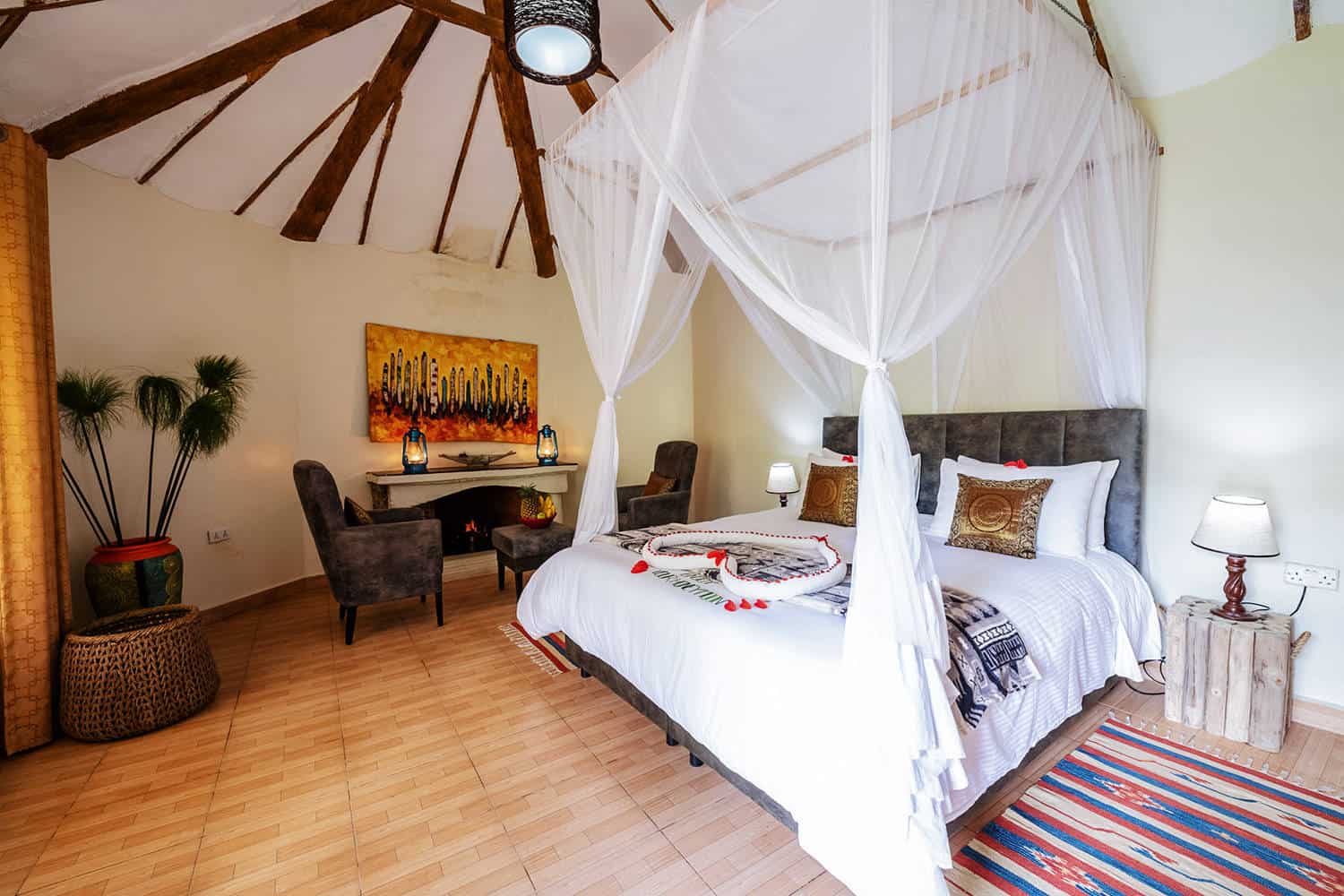
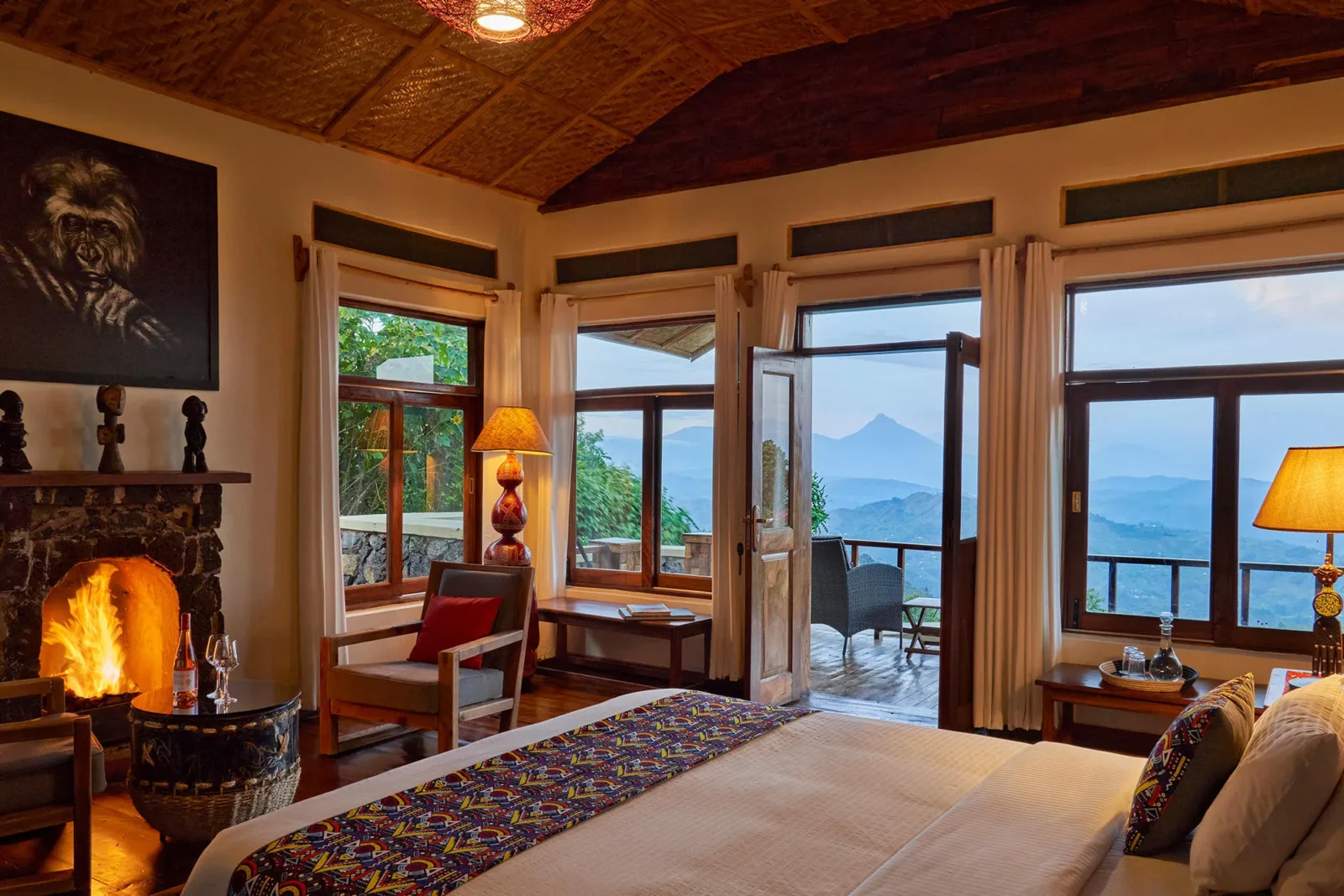
Rooms in gorilla lodges are usually designed for privacy and immersion in nature. They may feature forest views, volcanic landscapes, or hillside positioning depending on location.
Luggage is typically already delivered to the room by staff. Guests are encouraged to rest, freshen up, and acclimatize to altitude and climate conditions.
Because gorilla trekking begins early the next morning, arrival day is intentionally relaxed to allow physical recovery from travel.
Lunch or Afternoon Tea Service
Depending on arrival time, guests are served either lunch or afternoon tea.
Meals are usually freshly prepared and reflect the lodge’s style, ranging from simple buffet-style dishes in mid-range lodges to multi-course meals in luxury properties.
Tea, coffee, and snacks are often available throughout the afternoon. This helps guests adjust to the cooler mountain climate and recover from travel fatigue.
Optional Cultural or Nature Activities
Some lodges offer light activities on arrival day, depending on timing and guest energy levels.
These may include short guided walks around lodge grounds, visits to nearby community projects, birdwatching around forest edges, or introductory conservation talks.
These activities are optional and are designed not to exhaust guests before the main gorilla trekking experience.
In regions like Bwindi, even short walks can provide sightings of birds, monkeys, or butterflies due to the rich biodiversity surrounding the lodges.
Pre-Trekking Preparation Begins
Arrival day is also when serious trekking preparation begins.
Lodges often assist guests with organizing essential gear such as hiking boots, rain jackets, walking sticks, and backpacks. Some properties also offer equipment rental for guests who are not fully prepared.
Porter services are introduced at this stage. Porters are local community members trained to assist trekkers by carrying bags and providing support during forest hikes. This is strongly encouraged as it supports local livelihoods and improves trekking comfort.
Health and Safety Considerations
Because gorilla trekking involves close proximity to wild primates, health and safety guidelines are emphasized on arrival day.
Guests are reminded about:
Maintaining a safe distance from gorillas
Avoiding trekking when ill or showing symptoms of contagious disease
Following guide instructions at all times
Staying in designated trekking groups
These rules are strictly enforced to protect both visitors and gorillas.
Early Dinner and Rest Routine
Dinner at gorilla lodges is usually served earlier than standard hotel dining times, often between 7:00 PM and 8:00 PM.
The meal is typically hearty and designed to prepare guests for early morning trekking. After dinner, most lodges encourage rest due to early wake-up times, often between 5:30 AM and 6:30 AM.
Evening atmosphere is quiet, with fireplaces, soft lighting, and minimal noise. This supports physical recovery and mental preparation for trekking day.
Why Arrival Day Matters for Gorilla Trekking Success
Arrival day is not just logistical-it directly affects trekking performance.
Proper rest, hydration, and orientation significantly improve the trekking experience. Guests who arrive early and follow lodge preparation routines are generally more comfortable during long forest hikes.
In contrast, rushed arrivals or skipped briefings can lead to fatigue, confusion, or improper gear preparation.
This is why experienced safari operators recommend arriving at least one full day before trekking.
Check-in at a gorilla safari lodge is a structured transition from travel into wilderness immersion. It combines practical logistics, conservation briefing, and physical preparation into a calm and organized arrival experience.
From the moment you enter regions like Bwindi Impenetrable National Park or Volcanoes National Park, the pace slows down intentionally. Lodges are designed to help guests disconnect from travel stress and prepare for one of the most significant wildlife encounters in the world.
Arrival day sets the tone for the entire gorilla trekking experience. When handled properly, it ensures that the next morning begins not with stress, but with readiness, focus, and anticipation for an unforgettable journey into the forest.