
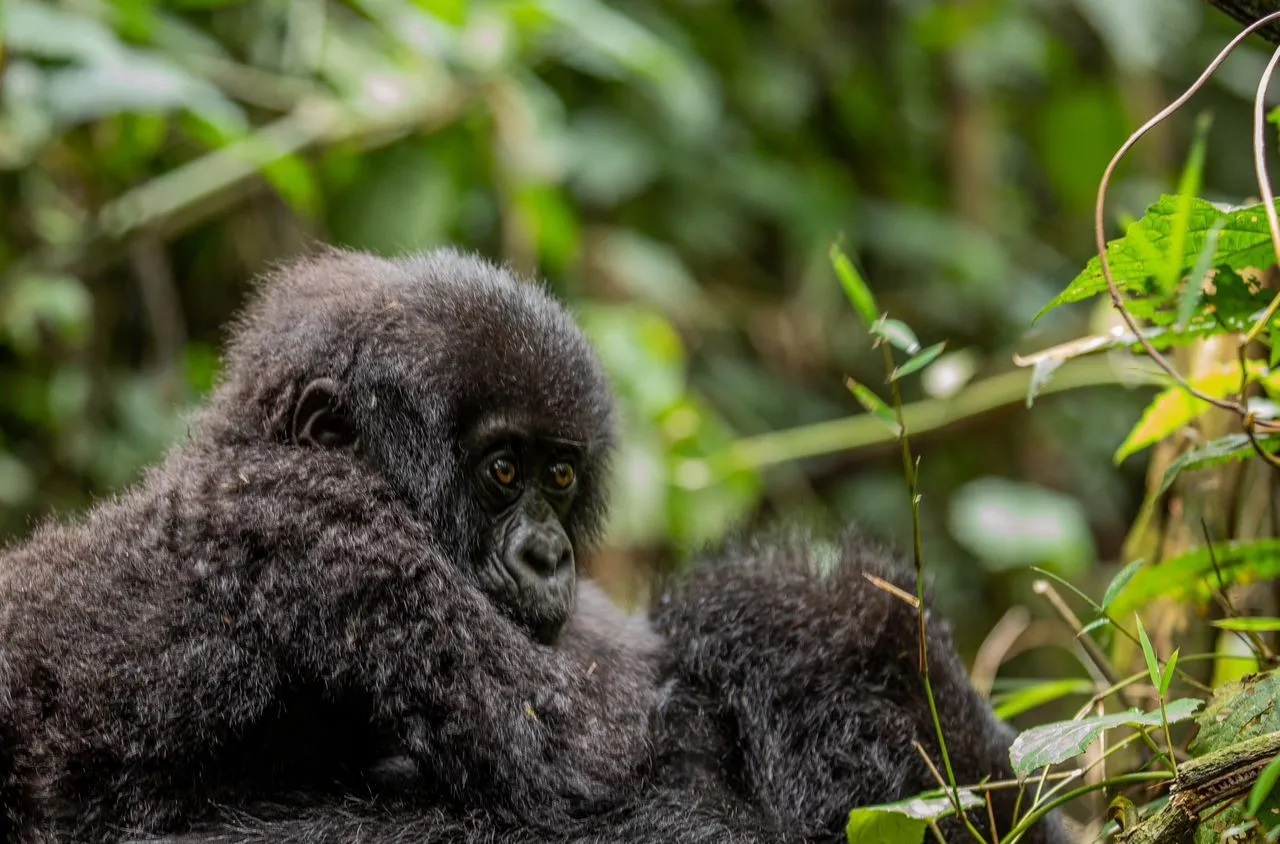
How to Prepare for a Gorilla Safari Trek: 8-Week Fitness Plan
Preparing for a gorilla safari trek is not about bodybuilding or extreme athletic conditioning. It is about building functional endurance, joint stability, and cardiovascular capacity for sustained hiking in steep, humid, and often unstable rainforest terrain. This is especially important for treks in ecosystems such as Bwindi Impenetrable National Park and Mgahinga Gorilla National Park, where altitude changes, mud, and dense vegetation significantly influence physical demand.
An 8-week preparation window is realistic for most moderately active travelers. The goal is not peak athletic performance but efficient hiking readiness, so that fatigue does not reduce your enjoyment of the gorilla encounter itself.
Understanding the Physical Demands of Gorilla Trekking
Before structuring training, it is important to understand what you are preparing for. Gorilla trekking is not a single fixed-distance hike. It is a search-based expedition through unpredictable terrain.
You may walk anywhere from one hour to six or more hours before locating a gorilla family. Terrain includes steep ascents, slippery forest floors, thick vegetation, and uneven roots. Humidity is high, and altitude can exceed 2,000 meters in some sectors.
Once gorillas are found, you remain stationary for observation, but the trekking phase is physically demanding and continuous.
This means training must focus on:
Cardiovascular endurance for sustained walking
Leg strength for climbing and descending slopes
Core stability for balance on uneven ground
Joint resilience for knees and ankles under load
Weeks 1–2: Building a Base Foundation
The first phase focuses on establishing a basic fitness baseline. If you are already active, this phase reinforces consistency. If you are less active, it introduces controlled adaptation.
Walking becomes your primary exercise. Aim for steady-paced walks lasting 45–60 minutes, at least four to five days per week. If possible, include gentle inclines or uneven terrain to simulate forest conditions.
Light bodyweight exercises are introduced, including squats, step-ups, and wall sits. These build foundational leg strength without excessive strain.
At this stage, the focus is on consistency rather than intensity.
Weeks 3–4: Introducing Endurance and Terrain Simulation
The second phase increases difficulty. Walk duration is extended to 60–90 minutes, and at least one longer hike per week is introduced, ideally on hilly terrain.
This is the phase where you begin to simulate gorilla trekking conditions more realistically. Uneven ground, uphill walking, and downhill control become important training elements.
Strength training becomes more structured. Exercises such as lunges, calf raises, and planks help improve stability and muscular endurance.
At this point, your body begins adapting to sustained effort, which is critical for long trekking days in forest environments.
Weeks 5–6: Strength Under Fatigue
In the middle phase, training shifts toward endurance under fatigue. This is where gorilla trekking simulation becomes more realistic.
You should now aim for at least one long hike per week of 2–4 hours on mixed terrain. This helps condition your body for the unpredictable duration of actual treks.
Strength exercises are intensified slightly, focusing on controlled repetitions rather than speed. Step-ups with elevation (stairs or benches) are particularly effective for mimicking uphill forest movement.
Core training becomes more important, as stability is essential when walking on slippery or root-filled trails.
This phase builds muscular endurance and mental resilience, both of which are critical in long treks.
Weeks 7–8: Trek Simulation and Peak Readiness
The final phase focuses on full simulation and readiness. You should now be capable of sustained walking on hilly terrain for 3–5 hours without excessive fatigue.
At least one full simulation hike should be completed under conditions similar to Bwindi or Mgahinga-uneven ground, elevation changes, and variable pace.
Training intensity is maintained but not excessively increased. The goal is not to exhaust the body but to refine endurance efficiency.
Light recovery days become important to prevent overtraining and ensure full energy reserves for the actual safari.
Cardiovascular Conditioning for Trekking Efficiency
Cardio fitness plays a central role in gorilla trekking preparation. You do not need high-speed running ability, but you do need sustained aerobic capacity.
Walking, hiking, cycling, or stair climbing are ideal forms of cardio training. The focus should be on maintaining a steady heart rate over long durations rather than short bursts of intensity.
This helps simulate the slow but continuous pacing of forest trekking.
Leg Strength and Stability Training
The lower body carries most of the workload during gorilla trekking. Strengthening key muscle groups reduces fatigue and injury risk.
Quadriceps support uphill movement, hamstrings stabilize downhill descent, and calves assist with balance on uneven surfaces. Glutes provide overall power and endurance for sustained walking.
Exercises like squats, lunges, and step-ups are particularly effective because they mimic natural walking mechanics.
Core Strength for Balance in the Forest
Core strength is often underestimated in trekking preparation. However, it is essential for maintaining balance on slippery or unstable ground.
A strong core reduces strain on knees and ankles and improves overall stability when navigating roots, mud, and steep slopes.
Planks, side planks, and controlled rotational movements are useful for developing this stability.
Flexibility and Joint Protection
Flexibility is important for reducing stiffness during long hikes. Stretching the hips, hamstrings, calves, and lower back improves mobility and reduces injury risk.
Joint protection is especially important in humid rainforest environments where trails are often wet and unstable. Proper warm-up routines before training hikes help prepare joints for repeated impact.
Mental Preparation for Unpredictable Trekking
Gorilla trekking is not only physical; it is also mentally demanding due to uncertainty. You may not know how long the trek will last or what terrain you will encounter.
Mental preparation involves developing patience and adaptability. Long walks without immediate reward are part of the process.
Training hikes that vary in duration and difficulty help simulate this unpredictability.
Hydration and Energy Management
Proper hydration becomes critical during both training and actual trekking. Forest environments in Bwindi and Mgahinga can be humid and energy-draining.
During training, you should practice drinking water regularly during hikes rather than only before or after. This builds a habit of steady hydration management.
Energy pacing is equally important. Walking too fast early in a trek can lead to premature fatigue.
Recovery and Rest Strategy
Rest is an essential part of preparation. Muscles adapt and strengthen during recovery, not during exercise itself.
At least one or two rest days per week should be included in the training schedule. Light stretching or walking can be used for active recovery.
Overtraining increases injury risk and reduces overall performance during the actual safari.
Final Perspective
An 8-week fitness plan for gorilla trekking is about preparing the body for endurance-based hiking in unpredictable rainforest terrain, not extreme athletic performance.
By gradually building cardiovascular capacity, leg strength, core stability, and mental resilience, you prepare yourself for the real conditions of trekking in Bwindi Impenetrable National Park or Mgahinga Gorilla National Park.
The goal is simple: arrive at the trek physically prepared so that your energy can be fully directed toward the experience itself-observing mountain gorillas in one of the most biologically rich and challenging environments in the world.