
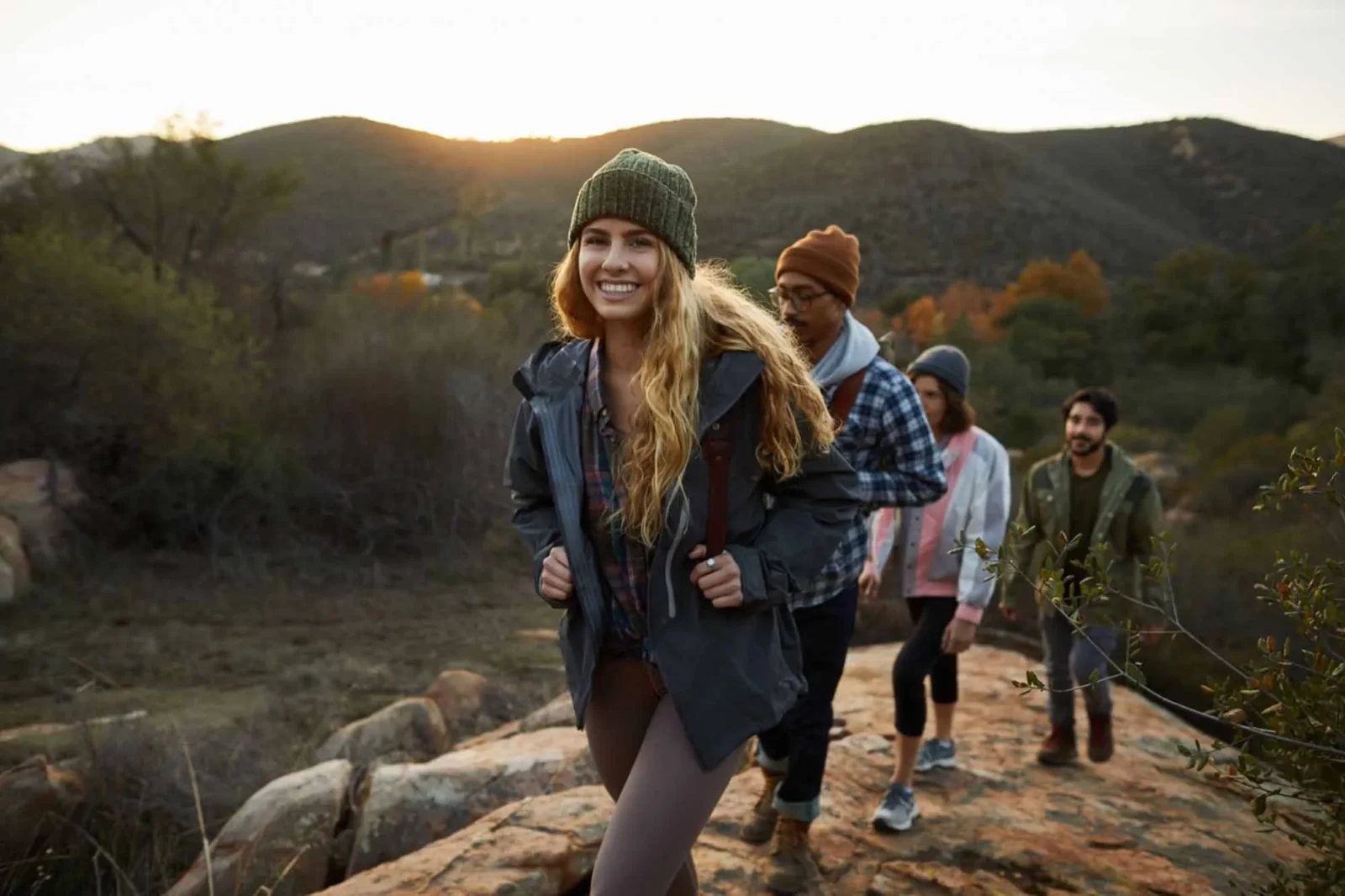
Gorilla Safari Clothing Guide: What to Wear in the Forest
Choosing the right clothing for a gorilla safari is not about style or photography aesthetics-it is about protection, comfort, and adaptability to one of Africa’s most demanding rainforest environments. In places like Bwindi Impenetrable National Park and Mgahinga Gorilla National Park, weather conditions change quickly, terrain is uneven, and vegetation is dense enough to scratch or soak exposed skin within minutes.
The right clothing system helps you stay warm when it is cold, cool when it is humid, dry when it rains, and protected when moving through thick forest. The wrong clothing, on the other hand, can make even a short trek uncomfortable and physically draining.
Understanding the Forest Environment First
Before choosing clothing, it is important to understand what the forest demands.
Bwindi is a tropical montane rainforest. This means:
High humidity throughout the day
Frequent rain or mist
Low to moderate temperatures depending on altitude
Dense vegetation with sharp or rough plant surfaces
Mud and wet ground are common even on “dry” days
This combination requires layered, quick-drying, and protective clothing rather than heavy or casual wear.
The Core Clothing Principle: Layering and Protection
The best gorilla trekking outfits are built around three principles: layering, breathability, and protection.
Layering allows you to adjust to changing conditions as you move through the forest. Breathability prevents overheating during uphill sections. Protection shields your skin from scratches, insects, and mud.
Upper Body Clothing
Long-Sleeved Shirts
Long-sleeved shirts are essential. They protect your arms from scratches caused by vegetation and reduce insect exposure. Lightweight, moisture-wicking fabrics are ideal because they allow sweat to evaporate while still offering coverage.
Avoid heavy cotton shirts because they absorb moisture and become uncomfortable when wet.
Neutral and Earth Colors
Clothing colors should blend with the environment. Green, brown, khaki, and dark grey are preferred because they are less visually disruptive in the forest.
Bright colors are not ideal because they stand out in natural surroundings and can be distracting in wildlife environments.
Light Jacket or Fleece Layer
Temperatures in Bwindi can be cool in the early morning, especially at higher elevations. A lightweight fleece or wind-resistant jacket helps maintain warmth during the start of the trek.
This layer can usually be removed once the body warms up during hiking.
Lower Body Clothing
Long Trekking Pants
Long pants are mandatory for gorilla trekking. They protect your legs from scratches, mud, and insect bites while walking through dense vegetation.
Quick-dry hiking trousers are the best option because they handle moisture well and remain comfortable during long hikes.
Avoid Jeans or Heavy Fabrics
Jeans and thick cotton trousers are not suitable because they become heavy when wet and restrict movement. Forest trekking requires flexibility and breathability.
Convertible Pants (Optional)
Some trekkers prefer zip-off trousers that can convert into shorts during less dense sections. However, full-length protection is still required during most of the trek.
Footwear Integration with Clothing
Clothing must work together with footwear. Trousers should fit comfortably over boots or tuck securely inside them to prevent mud and debris from entering.
Proper coordination between pants and boots ensures better protection in wet or muddy conditions.
Gloves for Forest Protection
Light gardening or trekking gloves are highly recommended. They protect your hands when holding vegetation for balance or moving through dense forest sections.
They also reduce scratches and provide better grip on slippery surfaces like vines or wet branches.
Rain Protection Gear
Rain is unpredictable in Bwindi. A lightweight waterproof jacket or poncho is essential, even if the day starts clear.
The best rain gear is:
Lightweight
Breathable
Easy to pack
Waterproof but not overly heavy
Ponchos are especially useful because they cover both the upper body and backpack, offering full protection during sudden downpours.
Hat and Head Protection
A wide-brim hat or cap is useful for sun protection during exposed sections of the trek. It also helps manage rain during light showers.
However, hats should be lightweight and secure, as dense vegetation can easily dislodge loose headwear.
Socks and Inner Comfort Layering
Thick, moisture-wicking hiking socks are essential for preventing blisters during long walks. They provide cushioning inside boots and help regulate temperature.
Some trekkers use double-layer socks for additional comfort on uneven terrain.
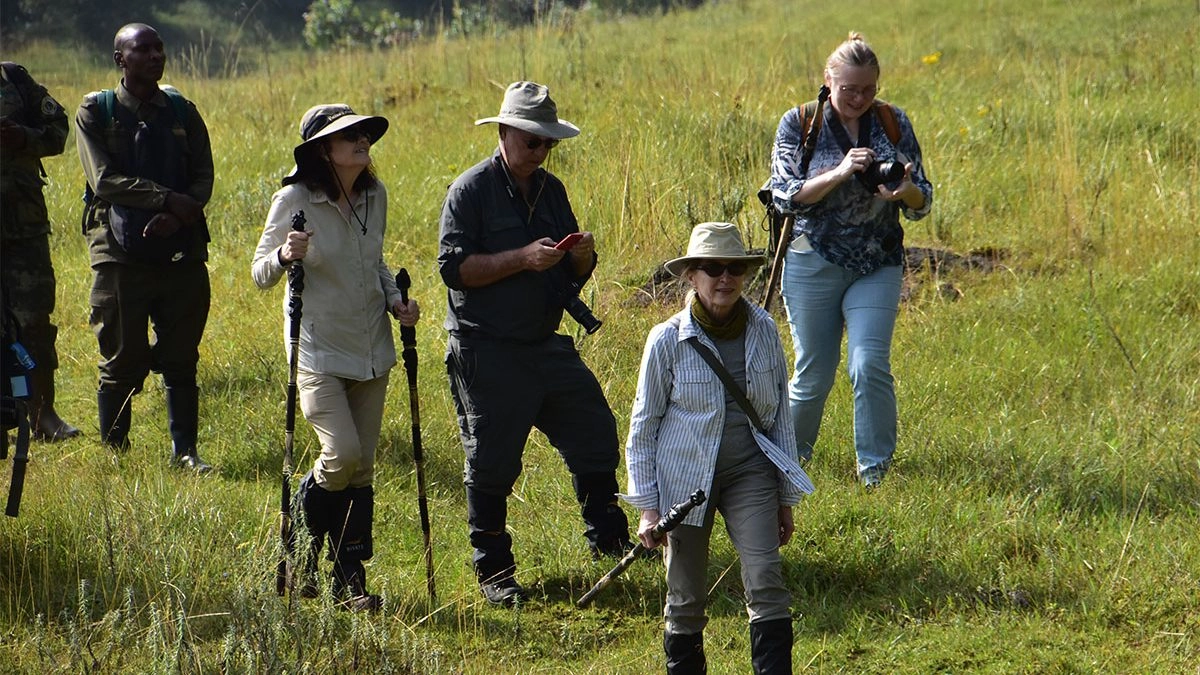
Gaiters (Optional but Useful)
Gaiters are protective coverings worn over boots and lower pants. They prevent mud, water, and small debris from entering footwear.
In wet conditions, especially in Bwindi, gaiters can significantly improve comfort and cleanliness during the trek.
What to Avoid Wearing
Certain clothing choices can make trekking unnecessarily difficult.
Avoid bright or flashy colors that do not blend with the environment. Avoid heavy fabrics like denim that absorb water and restrict movement. Avoid sleeveless tops because they expose skin to scratches and insects. Avoid tight clothing that limits flexibility during steep climbs.
Comfort and practicality should always take priority over appearance.
Adapting to Weather Changes During the Trek
One of the challenges of Bwindi’s environment is rapid weather change. A morning trek may start cool and misty, shift to humid and warm conditions, and end with rainfall.
Layering allows you to adapt easily. You can remove or add clothing as needed without interrupting movement.
This flexibility is key to maintaining energy and comfort throughout the trek.
Clothing and Movement Efficiency
Proper clothing does more than protect-it improves movement efficiency. Lightweight, flexible materials reduce resistance when climbing, stepping over roots, or navigating steep slopes.
When clothing is too heavy or restrictive, fatigue sets in faster because the body works harder to move through terrain.
Final Perspective
A gorilla safari clothing system is about preparing for unpredictable rainforest conditions, not just a walking experience.
In Bwindi Impenetrable National Park and Mgahinga Gorilla National Park, the environment demands clothing that protects, adapts, and performs under changing weather and terrain.
The ideal setup includes long-sleeved breathable shirts, durable trekking pants, layered insulation, waterproof protection, gloves, and proper moisture-wicking socks.
When chosen correctly, your clothing allows you to focus entirely on the experience itself-moving through dense forest terrain and encountering mountain gorillas in one of the most biologically rich ecosystems on earth.