
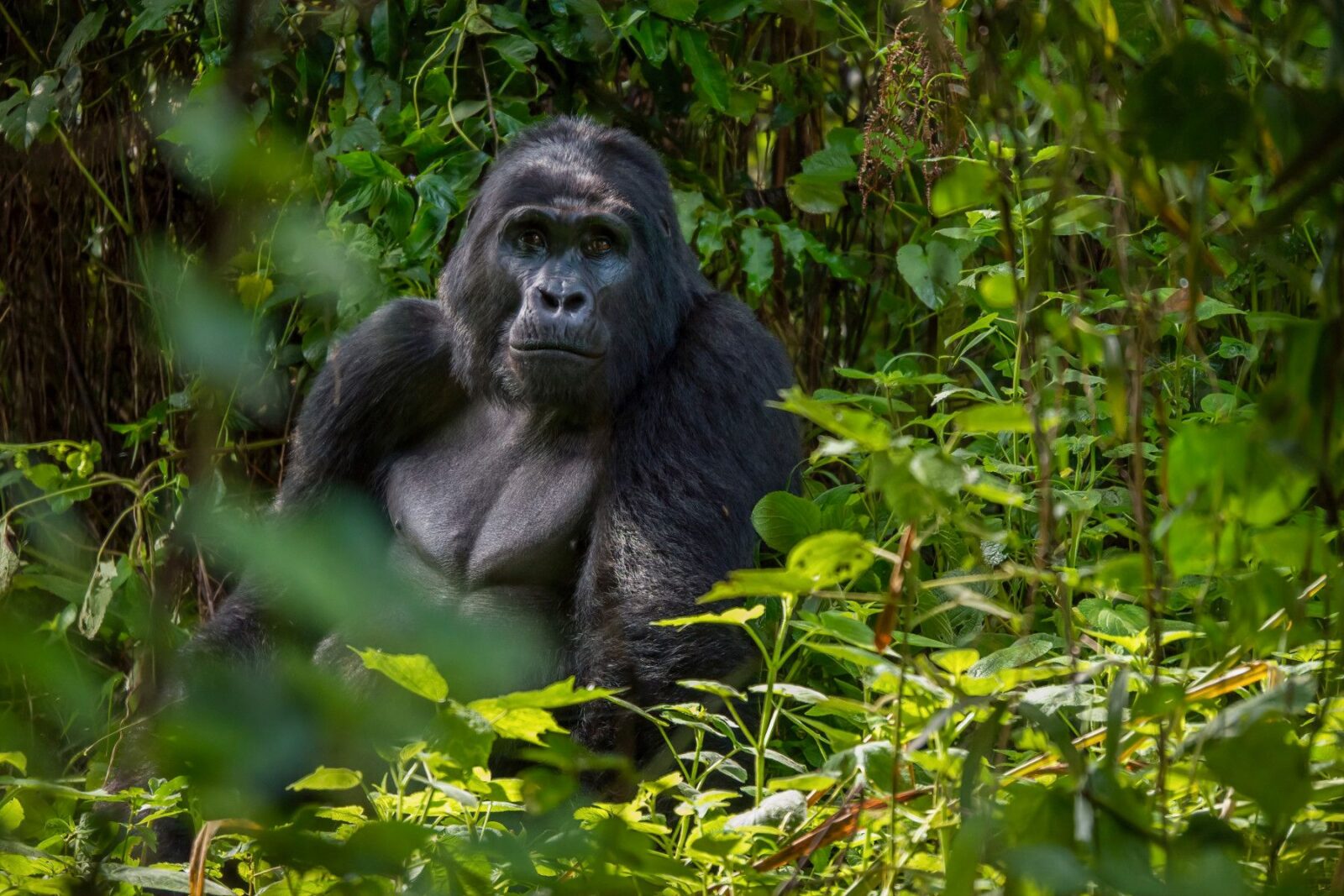
Gorilla Safari Age Restrictions: Children Under 15 Explained
Gorilla trekking is one of the most carefully regulated wildlife experiences in Africa, especially in protected ecosystems such as Bwindi Impenetrable National Park and Mgahinga Gorilla National Park. Among the most consistently enforced rules is the minimum age requirement: only visitors aged 15 years and above are allowed to participate in gorilla trekking.
This restriction is not a tourism preference. It is a conservation and safety policy grounded in wildlife health protection, physical trekking demands, and behavioral control requirements in close-range gorilla encounters.
The Core Rule: Minimum Age of 15 Years
All officially guided gorilla trekking experiences require participants to be at least 15 years old. Rangers verify age at the briefing stage before entry into the forest.
This rule applies regardless of physical fitness, parental supervision, or prior hiking experience. Even highly active younger children are not permitted to join gorilla trekking groups.
Why Children Under 15 Are Not Allowed
Disease Transmission Risk to Gorillas
One of the most important reasons is disease prevention. Mountain gorillas share a high degree of genetic similarity with humans, making them vulnerable to many human illnesses, especially respiratory infections.
Children are more likely to:
Experience common colds or flu-like symptoms
Cough or sneeze unpredictably during exertion
Have less controlled hygiene behavior in field conditions
Even minor infections can be dangerous for gorillas, whose immune systems are not adapted to many human pathogens. The age restriction significantly reduces this risk.
Physical Demands of the Trek
Gorilla trekking is physically demanding and often unpredictable in duration. Treks can last from one hour to several hours depending on gorilla movement patterns.
Terrain includes:
Steep uphill and downhill slopes
Slippery mud and wet vegetation
Dense forest with limited walking paths
High humidity and variable altitude conditions
These conditions require sustained endurance, balance, and strength. Many children under 15 may struggle with the combination of distance, elevation, and environmental resistance.
Behavioral and Safety Considerations
Close encounters with wild mountain gorillas require calm, controlled human behavior. Rangers must maintain strict group discipline during sightings.
Younger children may:
React emotionally or loudly during close encounters
Struggle to remain still for extended periods
Have difficulty following strict safety instructions under excitement
Because gorillas are powerful and intelligent animals, maintaining a calm environment is essential for both visitor and animal safety.
Emotional Readiness for Close Wildlife Encounters
Gorilla encounters can be intense, even for adults. The experience involves being within close proximity to large wild primates exhibiting complex social behavior.
For younger children, this can be:
Emotionally overwhelming
Difficult to process in real time
Challenging to manage in a controlled silence environment
The restriction helps ensure that participants are emotionally mature enough to handle the experience responsibly.
Forest Environment Risks for Younger Visitors
The rainforest environment itself adds another layer of concern. In Bwindi and Mgahinga, terrain conditions are not designed for casual walking.
Risks include:
Slippery and unstable ground
Steep slopes with limited visibility
Sudden weather changes
Long periods of continuous walking without fixed timing
These conditions increase the likelihood of fatigue-related accidents or difficulty keeping pace with the group.
Conservation and Group Management Efficiency
Gorilla tourism is carefully structured to minimize environmental impact and maintain predictable group performance. All trekking groups are managed by rangers who coordinate pace, safety, and gorilla tracking logistics.
Having a consistent minimum age:
Ensures similar physical capability across groups
Reduces variability in trekking speed
Improves safety and coordination in the forest
This helps maintain efficient and controlled wildlife tourism operations.
What Happens If a Child Under 15 Arrives
If a family arrives with a child below the age limit, the child is not allowed to participate in the trek under any circumstances.
In such cases:
The child must remain at the lodge or designated safe area
Alternative activities may be suggested outside gorilla zones
The rest of the group may proceed with trekking as planned
The rule is strictly enforced by rangers without exceptions.
Alternative Experiences for Younger Visitors
Although gorilla trekking is restricted, children can still engage in meaningful experiences around Bwindi and surrounding communities.
These include:
Cultural village walks and storytelling experiences
Nature walks in non-gorilla forest zones
Visits to local communities and craft centers
Educational wildlife learning activities
These alternatives provide insight into the ecosystem without entering sensitive gorilla habitats.
Why 15 Years Is the Global Standard
The age threshold of 15 is widely used in gorilla tourism across East Africa because it balances:
Physical maturity for long hikes
Behavioral discipline in sensitive wildlife environments
Reduced health risk factors
Safety compliance in challenging terrain
It is based on long-term conservation experience rather than arbitrary policy.
Final Perspective
The minimum age requirement for gorilla trekking in Bwindi Impenetrable National Park and Mgahinga Gorilla National Park is a critical conservation and safety measure, not a limitation on family travel.
By restricting access to individuals aged 15 and above, authorities protect mountain gorillas from disease risk, ensure visitor safety in challenging terrain, and maintain controlled behavior during close wildlife encounters.
While younger children cannot join the trek itself, they can still experience the cultural and ecological richness of the region through alternative activities. The rule ultimately ensures that gorilla tourism remains safe, sustainable, and responsible for both people and wildlife.