
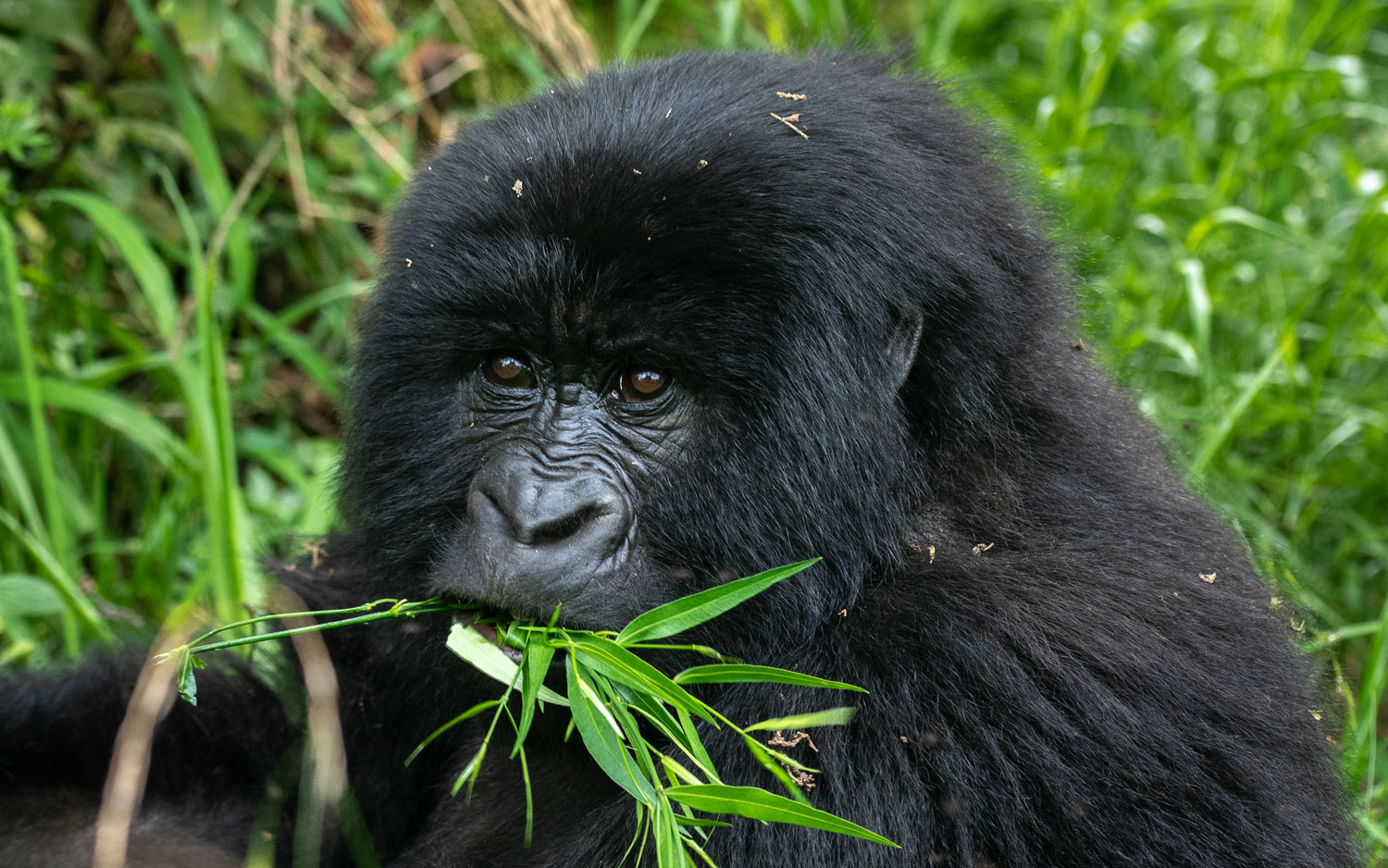
Gorilla Safari Medical Requirements: Health Conditions and Exclusions
Gorilla trekking is a highly regulated conservation activity, especially in protected ecosystems such as Bwindi Impenetrable National Park and Mgahinga Gorilla National Park. Because mountain gorillas are critically endangered and biologically vulnerable to human diseases, strict medical requirements are enforced before visitors are allowed to enter the forest.
These requirements are not just administrative. They are a core part of wildlife protection policy, designed to prevent disease transmission, protect gorilla health, and ensure visitor safety in a physically demanding environment.
The Core Health Principle: Protecting Gorillas from Human Disease
Mountain gorillas share a high percentage of genetic similarity with humans, which makes them extremely susceptible to many human illnesses, particularly respiratory infections.
Even mild infections in humans can be dangerous for gorillas due to:
Weaker immunity to human-origin viruses
Close social living within gorilla families
Limited medical intervention in wild habitats
Because of this, health screening and exclusion rules are strictly enforced.
General Health Requirement for All Trekkers
All visitors are expected to be in good general health before participating in gorilla trekking.
This means:
No active infectious illnesses
No flu-like symptoms
No severe physical limitations that prevent hiking
No medical conditions that could be worsened by strenuous activity
Rangers assess fitness and health at the briefing stage before entry into the forest.
Respiratory Illness Restrictions
One of the most important medical exclusions relates to respiratory conditions.
Visitors showing symptoms such as:
Coughing
Sneezing
Chest congestion
Fever or flu-like symptoms
are typically not allowed to participate in trekking on that day.
This is because respiratory infections can easily spread in close-contact environments, especially during gorilla sightings where proximity can be very close.
Contagious Disease Exclusions
Any visitor suspected of having a contagious disease is excluded from trekking.
This includes:
Influenza and similar viral infections
Tuberculosis risk symptoms
Measles or other airborne infections
Severe gastrointestinal infections
The goal is to eliminate any potential disease transmission risk to gorilla populations.
COVID-19 and Post-Pandemic Health Protocols
Following global health concerns, additional sensitivity has been applied to respiratory health screening.
While policies may vary by time and regulation updates, general expectations include:
No active COVID-19 symptoms
No recent severe respiratory illness
Full recovery before trekking participation
These measures are part of broader primate conservation health protection protocols.
Physical Fitness and Medical Capability
Gorilla trekking is physically demanding. Visitors must be medically capable of handling:
Long hikes lasting several hours
Steep and uneven terrain
High humidity and altitude variation
Continuous walking without fixed rest intervals
People with serious cardiovascular conditions, severe joint problems, or mobility limitations may be advised not to participate.
Heart and Cardiovascular Conditions
Individuals with unstable or severe heart conditions are generally discouraged from trekking.
This is because:
The trek involves sustained physical exertion
Emergency medical response in deep forest is limited
Elevation and humidity increase cardiovascular load
Visitors with controlled, stable conditions may still participate after personal medical assessment, but caution is strongly advised.
Respiratory and Asthma Considerations
Mild asthma or controlled respiratory conditions may not automatically prevent participation, but trekkers must be prepared for:
Humidity-induced breathing difficulty
Exertion-related breathlessness during uphill sections
Limited immediate medical access in forest conditions
Proper medication should always be carried and discussed with medical professionals before travel.
Mobility and Musculoskeletal Conditions
Because terrain is steep, muddy, and uneven, mobility is a critical factor.
Visitors with:
Severe knee or hip problems
Limited walking ability
Recent injuries affecting movement
may find trekking difficult or unsafe.
In such cases, medical advice is often recommended before confirming participation.
Pregnancy and Gorilla Trekking
Pregnancy is generally considered a high-risk condition for gorilla trekking due to:
Physical strain of long hikes
Unpredictable terrain conditions
Limited emergency medical access in forest environments
Travelers who are pregnant are typically advised to reconsider participation based on medical guidance.
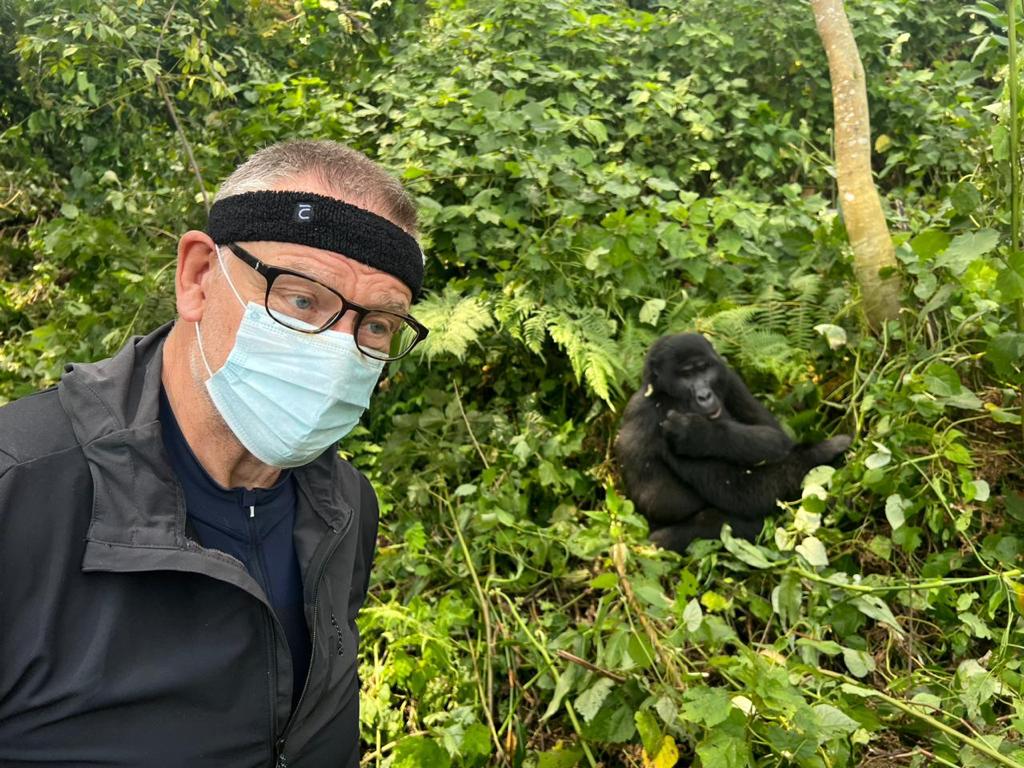
Temporary Illness Exclusion Policy
Even otherwise healthy individuals may be excluded on the day of trekking if they show temporary illness symptoms.
Rangers may deny participation for:
Sudden fever or fatigue
Visible respiratory symptoms
Acute infections
This is strictly enforced to protect gorilla health, even if it affects travel plans.
Health Screening at the Briefing
Before entering the forest, all visitors undergo a briefing where rangers:
Explain health rules
Observe group condition
Reinforce disease prevention guidelines
This stage acts as the final checkpoint before trekking begins.
Hygiene Requirements in the Forest
Health requirements also extend to hygiene behavior during trekking.
Visitors are expected to:
Avoid littering in the forest
Use proper hygiene practices (especially when coughing or sneezing)
Avoid close contact with gorillas even if they approach
These behaviors reduce indirect disease transmission risks.
Why Medical Rules Are Strictly Enforced
Unlike general tourism activities, gorilla trekking involves direct proximity to endangered wildlife.
Strict medical rules exist to:
Protect small, vulnerable gorilla populations
Prevent outbreaks that could spread quickly within groups
Maintain long-term conservation sustainability
Ensure visitor safety in remote forest environments
Even a single illness event can have serious ecological consequences.
Final Perspective
Medical requirements for gorilla trekking in Bwindi Impenetrable National Park and Mgahinga Gorilla National Park are essential safeguards, not optional guidelines.
They ensure that only healthy, physically capable, and medically low-risk individuals enter gorilla habitats. This protects both human visitors and one of the world’s most endangered primate species.
By enforcing strict health and exclusion rules, gorilla tourism maintains a delicate balance between unforgettable wildlife experiences and long-term conservation responsibility.