
Gorilla Safari Vaccinations 2026: What Jabs Do You Need
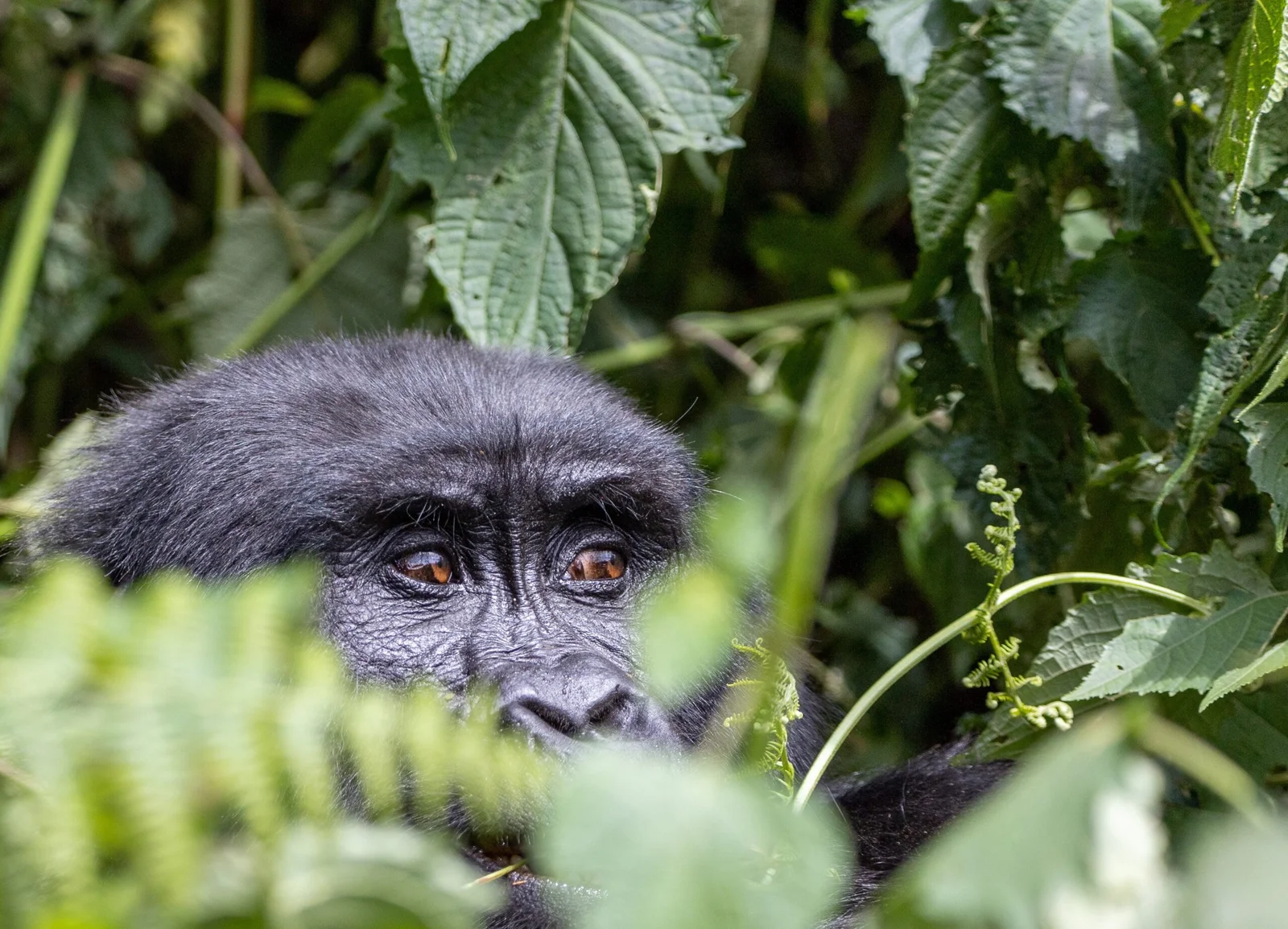
Gorilla trekking in ecosystems such as Bwindi Impenetrable National Park and Mgahinga Gorilla National Park is a highly regulated conservation activity with strict health requirements. In 2026, vaccination guidelines continue to focus on two priorities: protecting visitors from preventable tropical diseases and preventing any risk of disease transmission to endangered mountain gorillas.
Because mountain gorillas are extremely close to humans genetically, even common human illnesses can pose serious health risks to them. This makes vaccination compliance and health preparedness an essential part of gorilla safari planning.
Mandatory Vaccine: Yellow Fever (Non-Negotiable)
The only strictly required vaccination for entry into Uganda and for gorilla trekking is Yellow Fever.
A valid Yellow Fever vaccination certificate must be presented upon arrival. Without it, entry into the country may be denied or delayed depending on border health procedures.
Yellow Fever vaccination is required because:
It is a mosquito-borne viral disease found in tropical regions
It can cause severe illness and outbreaks
Uganda is considered a Yellow Fever risk zone
The vaccine should ideally be taken at least 10 days before travel to ensure full effectiveness and validity.
Recommended Vaccinations for Gorilla Trekking 2026
Although only Yellow Fever is mandatory, several other vaccinations are strongly recommended to reduce health risks during travel and trekking in forest environments.
Hepatitis A
Hepatitis A is a food- and water-borne viral infection. It is recommended because travelers may be exposed to varying hygiene standards in rural lodges, transport stops, and local communities.
It helps protect against:
Contaminated food and water infections
Travel-related gastrointestinal illness
Hepatitis B
Hepatitis B is transmitted through blood and bodily fluids. It is recommended for travelers who may require medical attention or spend extended time in remote environments.
It is important because:
Medical facilities near forest regions are limited
Emergency situations may involve exposure risks
Typhoid Vaccine
Typhoid fever is a bacterial infection spread through contaminated food and water. It is one of the more common travel-related illnesses in East Africa.
Vaccination is recommended due to:
Rural travel conditions
Remote trekking environments
Potential exposure from meals outside urban centers
Tetanus Booster
Tetanus protection is essential for any forest trekking activity.
It is recommended because:
Cuts or scratches from vegetation may occur
Soil and mud exposure is frequent during trekking
Injuries from rocks or slippery terrain are possible
A current booster ensures protection in case of minor wounds.
Rabies Vaccine (Optional but Advisable)
Rabies vaccination is not mandatory but may be recommended for travelers spending extended time in rural or wildlife environments.
It is considered useful because:
Wild or stray animal exposure is possible in rural areas
Medical response time in remote regions may be limited
Prevention is safer than post-exposure treatment
Meningitis Vaccine (Situational Recommendation)
Meningitis vaccination may be advised depending on seasonal risk levels and travel health guidance at the time of travel. It is not universally required but may be recommended for certain periods or regions.
Respiratory Health and COVID-19 Awareness
While global COVID-19 restrictions have eased, respiratory health remains an important consideration in gorilla trekking.
Visitors are generally expected to:
Avoid trekking if they are unwell
Follow ranger hygiene instructions
Minimize respiratory risks near gorillas
This is especially important because gorillas are highly susceptible to human respiratory infections.
Malaria Prevention (Not a Vaccine but Essential)
There is no malaria vaccine requirement for entry, but malaria prevention is strongly recommended due to the presence of mosquitoes in forest and rural environments.
Prevention measures include:
Antimalarial medication prescribed before travel
Use of mosquito repellent
Wearing long clothing in the evenings
Health Screening Before Trekking
Before entering the forest, all visitors undergo a health briefing and observation by rangers.
Visitors may be restricted from trekking if they show:
Flu-like symptoms
Fever or coughing
Signs of contagious illness
This rule is strictly enforced to protect gorilla populations from disease exposure.
Why Vaccinations Matter in Gorilla Trekking
Vaccinations are not only about personal protection-they are a conservation requirement.
They help to:
Reduce the risk of disease transmission to gorillas
Protect endangered primate populations
Ensure safe interaction between humans and wildlife
Support sustainable tourism practices
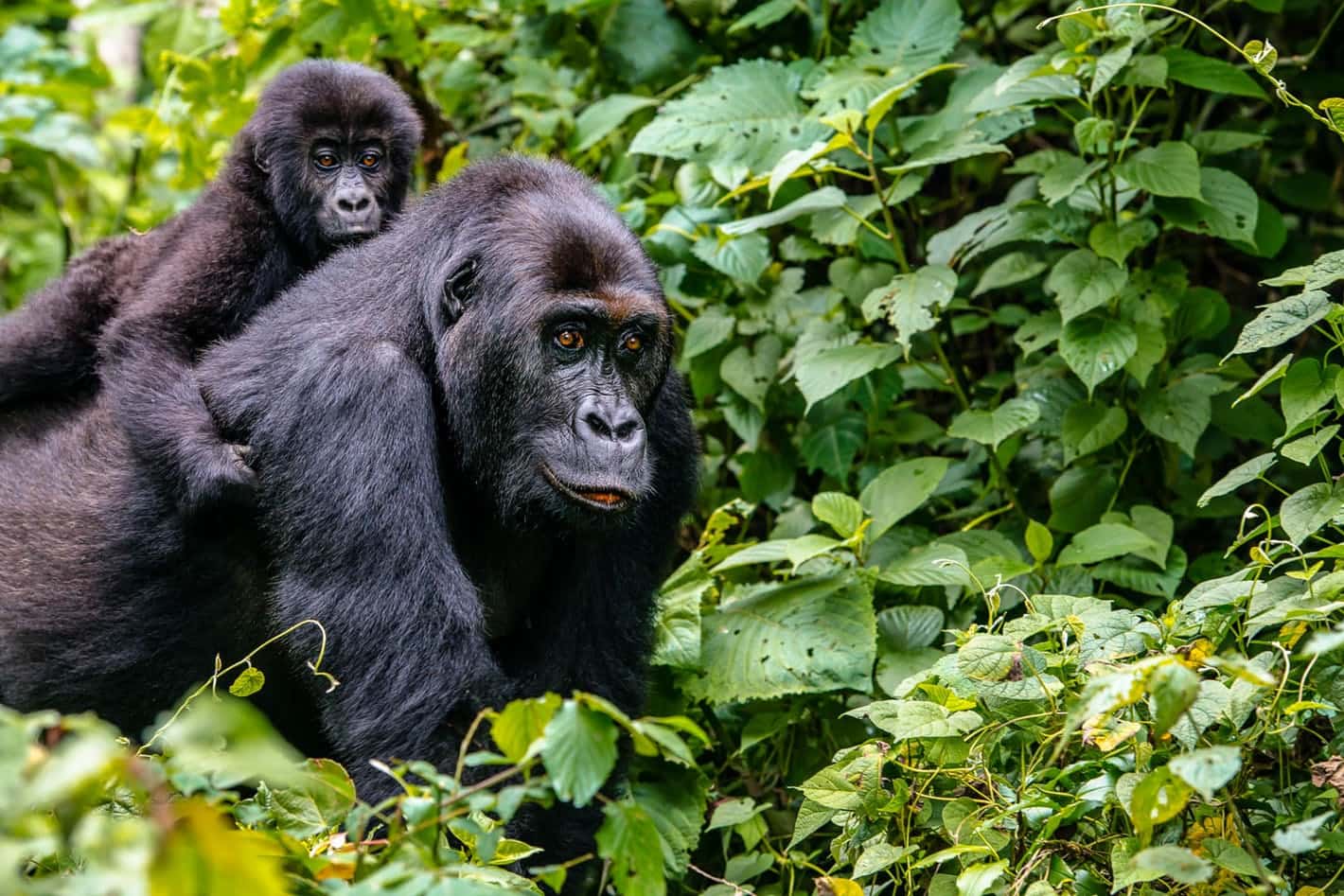
Mountain gorillas are extremely vulnerable to human diseases, especially respiratory infections that can spread quickly within family groups.
Final Perspective
Gorilla safari vaccinations in 2026 are simple but critical. The only mandatory requirement is Yellow Fever, while additional vaccines such as Hepatitis A, Typhoid, Tetanus, and Rabies are strongly recommended for safe travel.
In Bwindi Impenetrable National Park and Mgahinga Gorilla National Park, these health measures form part of a broader conservation system that protects both visitors and one of the world’s most endangered species.
With proper vaccination and health preparation, travelers can fully focus on the trekking experience itself-encountering mountain gorillas in their natural rainforest habitat in a safe, responsible, and sustainable way.