
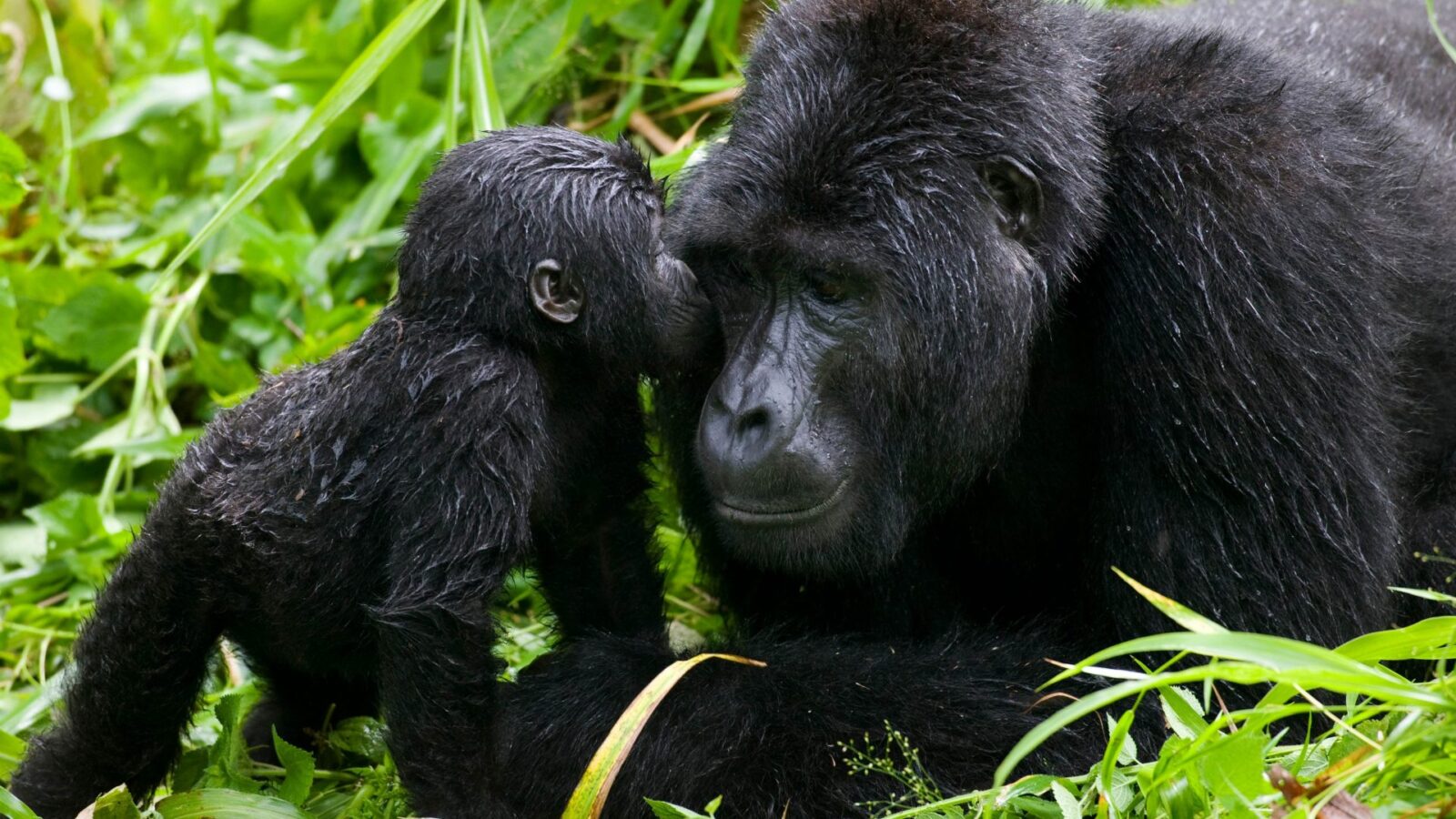
Mubare Gorilla Family Bwindi: Uganda’s First Habituated Group
Deep within the dense, ancient rainforest of Bwindi Impenetrable National Park lives one of the most historically significant mountain gorilla groups in Africa-the Mubare family. For anyone interested in gorilla trekking, conservation history, or the evolution of wildlife tourism in Uganda, this group represents the starting point of it all.
Mubare is not just another habituated gorilla family. It is the first group ever opened for tourism in Uganda, marking a turning point in how the country approached conservation, community involvement, and sustainable safari experiences.
The Origins of the Mubare Gorilla Family
The Mubare group was officially habituated in 1993, making it Uganda’s pioneer in gorilla tourism. Before this milestone, mountain gorillas in Bwindi were largely unaccustomed to human presence, making close observation impossible without causing stress or disruption to their natural behavior.
Habituation is a long, careful process. It involves gradually introducing human presence to wild gorillas over several years until they become comfortable enough to be observed at close range without perceiving humans as a threat.
For the Mubare family, this process laid the foundation for all subsequent gorilla trekking experiences in Uganda. It demonstrated that tourism and conservation could work together, providing both protection for the species and economic benefits for surrounding communities.
What “Habituated” Really Means
Understanding habituation is critical to appreciating the significance of Mubare.
A habituated gorilla group is not domesticated. The animals remain completely wild. What changes is their tolerance to human observers. They continue their daily activities-feeding, grooming, resting, and interacting-while visitors watch from a controlled distance under ranger supervision.
This balance is delicate. It requires strict rules, limited visitation time, and experienced guides to ensure that the gorillas’ natural behavior is preserved.
Mubare was the first proof that this balance could be achieved successfully in Uganda.
Location and Trekking Experience
The Mubare family is located in the Buhoma sector of Bwindi Impenetrable National Park, one of the most accessible regions for gorilla trekking.
For first-time trekkers, this is a major advantage.
Unlike some other sectors of Bwindi, which require longer hikes through steep terrain, Buhoma offers relatively moderate trekking conditions. While no gorilla trek is “easy,” the Mubare group is often considered one of the more accessible options.
This makes it particularly suitable for:
First-time gorilla trekkers
Visitors with moderate fitness levels
Travelers seeking a shorter trek experience
However, it is important to understand that gorillas are constantly moving. Trek duration can still vary from under an hour to several hours depending on their location on the day of your visit.
Group Structure and Changes Over Time
Like all wild gorilla families, the Mubare group has undergone changes over the years.
Originally led by a dominant silverback, the group has experienced natural shifts in leadership, births, and occasional losses. These dynamics are part of normal gorilla social structure, where the silverback plays a central role in protecting and guiding the group.
Group sizes also fluctuate. While some families in Bwindi can grow quite large, Mubare has often remained relatively smaller compared to others. This can actually enhance the trekking experience, as it allows for more intimate observation.
Behavior and What You Will See
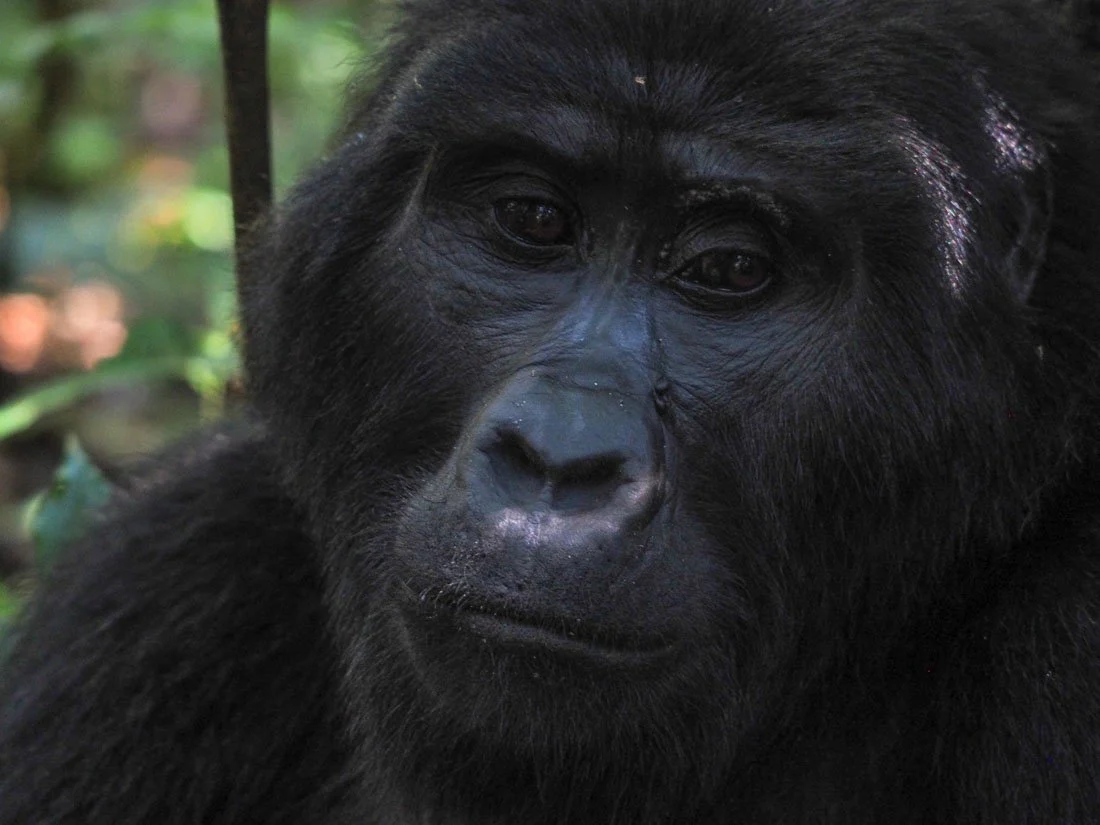
A typical encounter with the Mubare family offers a close look at gorilla social life.
You may observe:
Juveniles playing and climbing
Adult females caring for infants
The silverback resting or monitoring the group
Feeding behavior as gorillas consume leaves, shoots, and fruit
The one-hour viewing window allowed during trekking passes quickly because there is constant subtle movement and interaction.
Unlike the dramatic wildlife scenes of savannah safaris, gorilla encounters are quieter, more intimate, and deeply immersive.
Conservation Impact of the Mubare Family
The success of the Mubare group had far-reaching consequences.
It proved that gorilla tourism could generate revenue while supporting conservation. This led to:
Expansion of habituation programs in Bwindi
Increased funding for park protection
Stronger involvement of local communities in conservation efforts
Today, Uganda is one of the leading destinations for mountain gorilla trekking, largely because of the foundation established by early groups like Mubare.
Revenue from gorilla permits contributes directly to:
Anti-poaching efforts
Habitat protection
Community development projects
This model has helped stabilize and even increase mountain gorilla populations over time.
Rules and Etiquette During the Trek
Visiting the Mubare family comes with strict guidelines designed to protect both visitors and gorillas.
Key rules include:
Maintaining a minimum distance of 7 meters
Limiting viewing time to one hour
Avoiding direct eye contact with the silverback
No flash photography
Not visiting if you are ill
These rules are not optional. They are essential for maintaining the health and safety of the gorillas.
Why Mubare Is Still Special Today
With multiple habituated gorilla families now available in Bwindi, you might wonder why Mubare still matters.
The answer lies in its legacy.
This group represents the beginning of Uganda’s gorilla tourism journey. Trekking to Mubare is not just about seeing gorillas-it is about connecting with the history of conservation in the region.
For many visitors, this adds an extra layer of meaning to the experience.
Who Should Choose the Mubare Group
Mubare is particularly well suited for:
First-time gorilla trekkers
Visitors staying in Buhoma
Travelers interested in conservation history
Those seeking a relatively accessible trek
It may be less appealing for those specifically looking for very large gorilla groups or longer, more challenging treks.
The Mubare Gorilla Family is more than just a group of mountain gorillas in Bwindi Impenetrable National Park. It is the origin point of Uganda’s gorilla trekking experience-a living symbol of how conservation, tourism, and community engagement can work together.
Standing in the forest, watching the Mubare family go about their lives, you are not just observing wildlife. You are witnessing the result of decades of effort, patience, and commitment to protecting one of the world’s most endangered species.
For first-time visitors and seasoned travelers alike, that context transforms the encounter into something far more meaningful than a simple wildlife sighting.