
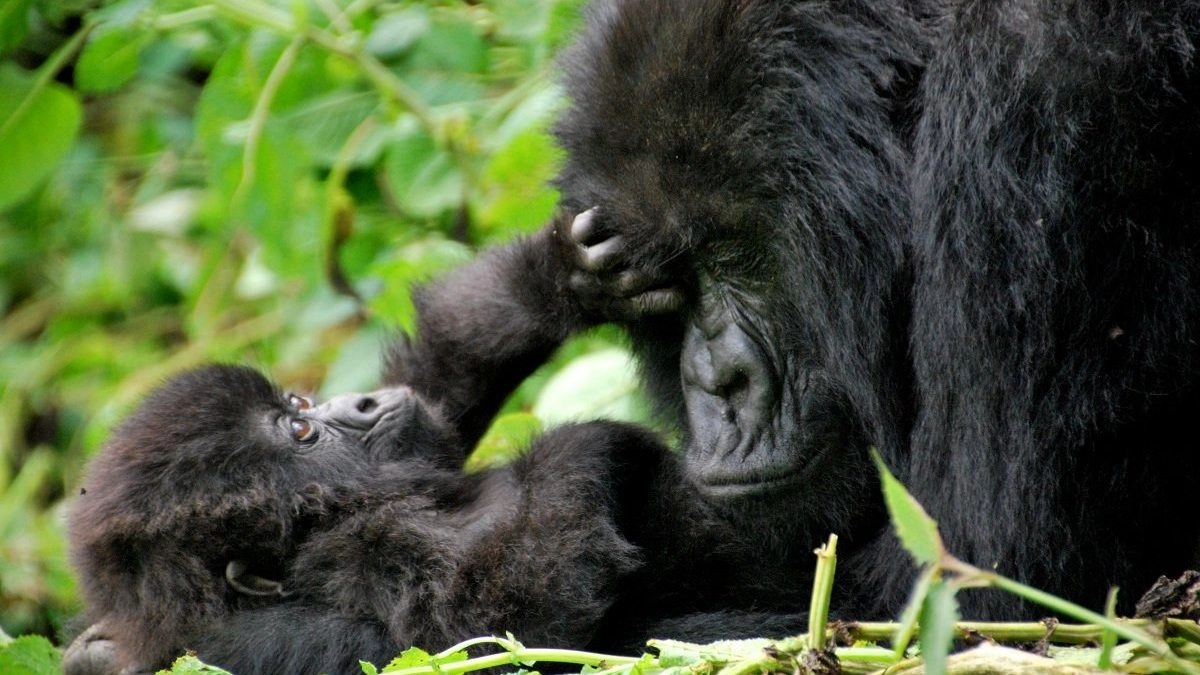
Rushegura Gorilla Family Bwindi: Buhoma’s Most Photographed Group
In the lush, layered forest of Bwindi Impenetrable National Park, few gorilla families have earned as much attention from photographers as the Rushegura group. Located in the Buhoma sector, this family is widely regarded as one of the most accessible, relaxed, and visually rewarding groups for visitors.
If Mubare represents history and Habinyanja represents scale and complexity, Rushegura represents something equally valuable-consistency. For many trekkers, especially those focused on photography, this group offers one of the most reliable and satisfying encounters in Bwindi.
Origins of the Rushegura Family
The Rushegura family was officially habituated in 2002 after breaking away from the larger Habinyanja group. This split was a natural occurrence, driven by internal social dynamics and leadership changes among silverbacks.
The new group established its own territory near the Buhoma region, close to the park boundary. This geographic positioning would later become one of its defining advantages.
Unlike some groups that roam deep into the forest, Rushegura has often remained within relatively accessible areas, making it one of the most predictable families to track.
Why Rushegura Is So Photographed
The reputation of Rushegura as “Buhoma’s most photographed group” is not accidental. It is the result of several practical factors that consistently favor photographers.
First, the group’s location. Being closer to the park edge means shorter treks in many cases. Visitors arrive less fatigued, which directly affects their ability to focus, observe, and capture quality images.
Second, the terrain. Compared to steeper or denser areas of Bwindi, Rushegura’s range often includes more open sections of forest. This allows for clearer lines of sight, better lighting conditions, and fewer obstructions.
Third, the group’s temperament. Rushegura is known for being particularly calm around human presence. While all habituated gorillas tolerate observers, this group often appears more relaxed, continuing its activities with minimal disruption.
These factors combine to create ideal conditions for photography.
Group Structure and Dynamics
Rushegura is a well-established family with a stable structure. It typically includes:
A dominant silverback
Multiple adult females
Juveniles and infants
While it is not always the largest group in Bwindi, its size is balanced in a way that enhances the viewing experience.
You are likely to see multiple individuals within a relatively compact area, allowing for varied observations without needing to move extensively.
The silverback often positions himself in a way that keeps the group cohesive, which also benefits visitors by keeping activity concentrated.
Trekking Experience in Buhoma
One of the biggest advantages of choosing Rushegura is the trekking experience itself.
Buhoma is already one of the more accessible sectors of Bwindi, and Rushegura often reinforces that advantage.
Treks to this group are frequently shorter compared to others, though this is never guaranteed. Gorilla movement is unpredictable, and even the most “accessible” group can require several hours of tracking.
However, statistically, Rushegura tends to offer:
Moderate trekking difficulty
Less extreme elevation changes
More manageable terrain
This makes it a strong option for first-time trekkers or those with limited physical endurance.
Behavior and What You Will Observe
The Rushegura family offers a well-rounded view of gorilla life.
During your one-hour viewing window, you may observe:
Infants playing and interacting with siblings
Juveniles climbing and exploring
Females grooming and caring for young
The silverback resting, feeding, or subtly monitoring the group
What stands out most is the sense of calm. The group often appears settled, allowing visitors to focus on details rather than constant movement.
For photographers, this is critical. Stable subjects allow for better framing, sharper images, and more thoughtful composition.
Photography Conditions and Practical Advantages
Photographing gorillas in Bwindi is challenging due to low light, dense vegetation, and unpredictable movement.
Rushegura reduces some of these challenges.
Better light penetration through less dense canopy
More open viewing angles
Slower, calmer group behavior
These conditions increase the likelihood of capturing clear, well-lit images.
However, expectations must remain realistic. Bwindi is still a rainforest, and conditions can change quickly. Professional results still require patience, proper camera settings, and adaptability.
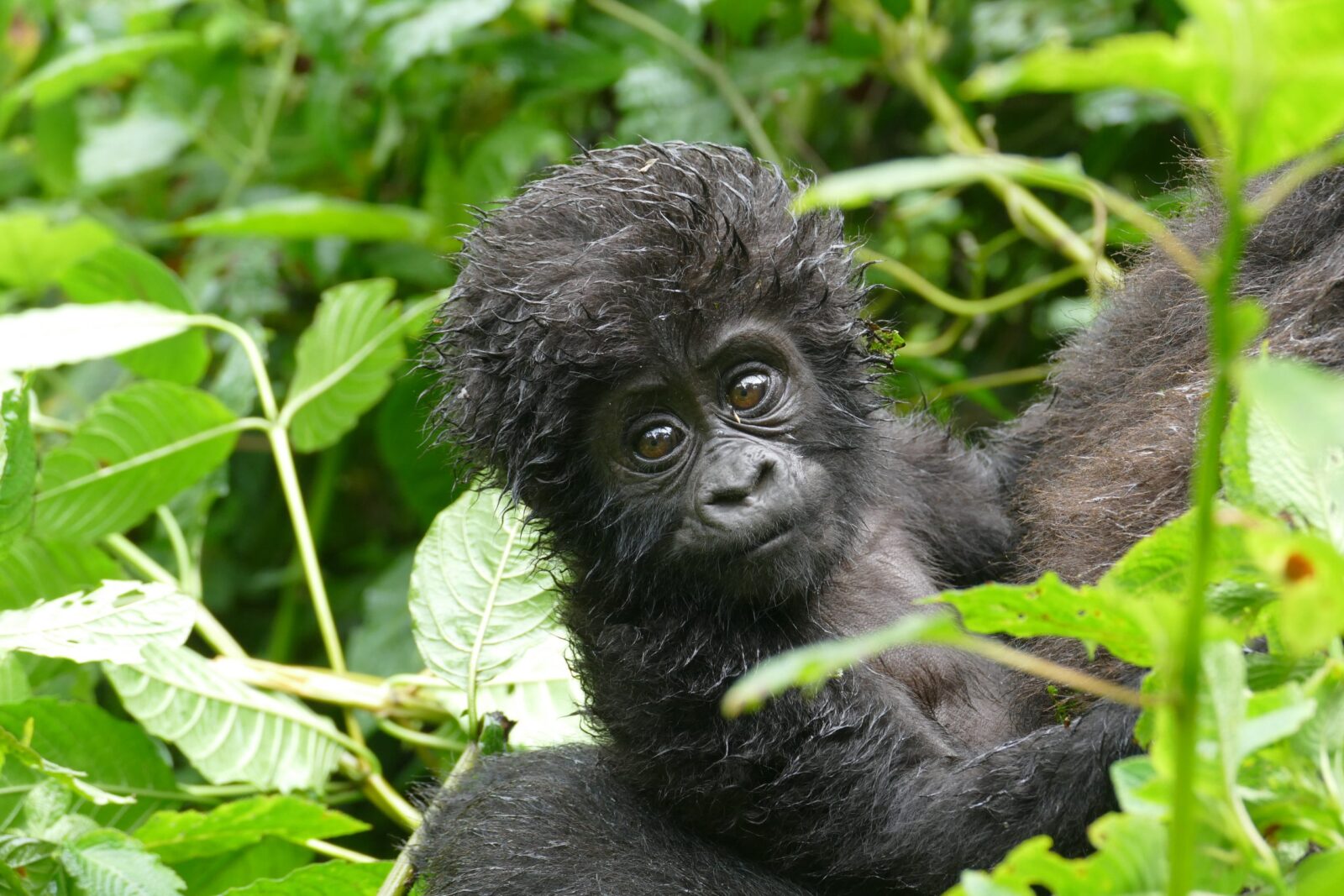
Conservation Role of the Rushegura Family
Like all habituated groups in Bwindi, Rushegura plays a direct role in conservation.
Tourism revenue generated from visits contributes to:
Park protection and management
Anti-poaching patrols
Community development initiatives
The success of groups like Rushegura also reinforces the sustainability of gorilla tourism as a conservation model.
By maintaining a balance between accessibility and protection, Uganda has been able to increase mountain gorilla populations while supporting local communities.
Comparing Rushegura with Other Buhoma Families
Each gorilla family in Buhoma offers a distinct experience.
Mubare is known for its historical significance and relatively smaller group size.
Habinyanja offers a larger, more complex social structure with potentially more demanding treks.
Rushegura stands out for:
Ease of access
Calm group behavior
Strong photography conditions
For many visitors, especially first-timers, this combination makes it the most practical choice.
Who Should Choose Rushegura
The Rushegura family is particularly well suited for:
First-time gorilla trekkers
Photographers seeking better conditions
Visitors with moderate fitness levels
Travelers who prefer shorter or less strenuous treks
It may be less appealing for those specifically seeking larger group dynamics or more challenging trekking experiences.
Rules and Responsible Viewing
Despite its accessibility and calm nature, visiting Rushegura still requires strict adherence to gorilla trekking rules.
Visitors must:
Maintain a minimum distance of 7 meters
Limit viewing time to one hour
Avoid flash photography
Follow ranger instructions at all times
Stay away if feeling unwell
These rules are essential to protect the gorillas from stress and disease.
The Experience in Context
What makes Rushegura unique is not just its accessibility or photographic advantages. It is the balance it offers.
You still experience the depth of Bwindi-the humidity, the dense forest, the sense of entering a truly wild environment-but without some of the more extreme physical demands.
This balance allows you to focus more on observation and less on endurance.
For many visitors, especially those on their first gorilla trek, this can make the experience more enjoyable and memorable.
The Rushegura Gorilla Family represents one of the most practical and rewarding gorilla trekking options in Bwindi Impenetrable National Park. Its combination of accessibility, calm behavior, and favorable viewing conditions has earned it a reputation as Buhoma’s most photographed group.
While every gorilla encounter in Bwindi is unique, Rushegura consistently delivers a balanced experience that appeals to a wide range of visitors.
It is not about chasing the largest group or the most difficult trek. It is about maximizing the quality of the encounter-and in that respect, Rushegura stands out as one of the best choices available.