
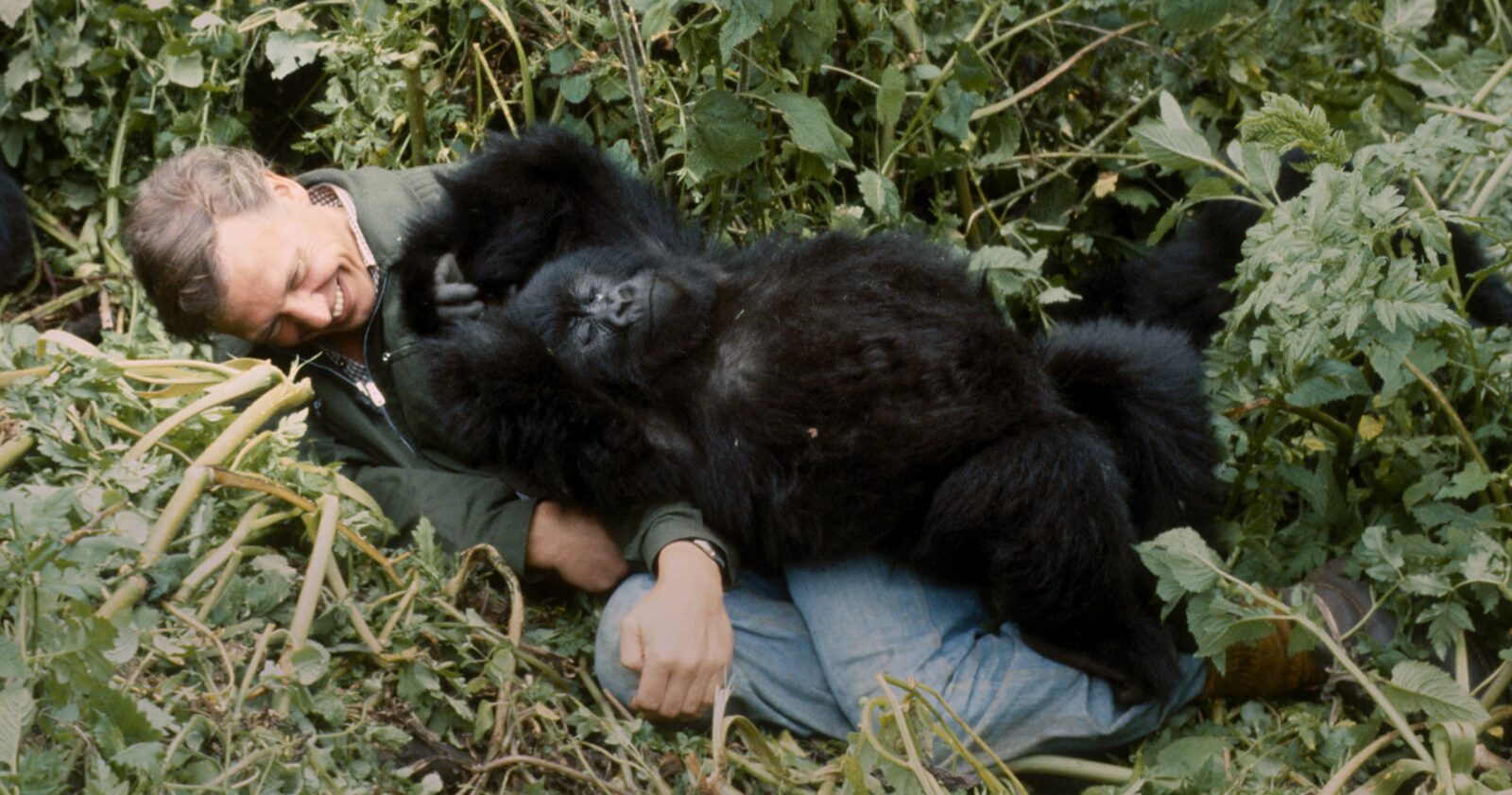
Pablo Gorilla Family Rwanda: Named After Dian Fossey’s Favourite
In the mist-laced volcanic slopes of Volcanoes National Park, where bamboo forests meet steep ridgelines and mountain air shifts quickly with altitude, the Pablo gorilla family holds a special place in the history of gorilla conservation. Known for its deep historical connections to early research efforts and its remarkable lineage, this group is one of the most iconic in the entire Virunga ecosystem.
The name “Pablo” is not random. It is rooted in the legacy of early gorilla research and is closely associated with one of the most influential periods in mountain gorilla conservation history.
The Origin of the Pablo Family
The Pablo family is historically linked to the legendary work of Dian Fossey, one of the most influential primatologists in gorilla conservation history. During her research in the Virunga Mountains, Fossey closely studied several gorilla groups, and the Pablo lineage became one of the most important families under observation.
Over time, the original Pablo group expanded significantly, becoming one of the largest and most influential gorilla families ever recorded in the region. Due to its size and complexity, it eventually split into multiple descendant groups, many of which still exist today within Rwanda’s gorilla trekking system.
This makes Pablo not just a single family, but a foundational ancestral lineage for several modern gorilla groups.
Why the Name “Pablo” Matters
The name Pablo is associated with one of the dominant silverbacks observed during early research phases. It became a reference point for identifying the broader lineage that emerged from his group.
In conservation terms, the Pablo lineage represents:
One of the earliest extensively studied gorilla families
A foundational group in modern gorilla tourism development
A key genetic and social lineage within Volcanoes National Park
Because of this, many gorilla families in the region trace behavioral or historical connections back to the Pablo line.
Location in Volcanoes National Park
The Pablo lineage is associated with multiple areas within Volcanoes National Park, particularly zones that overlap with historical research territories.
These areas include:
High-altitude rainforest zones
Bamboo forest belts
Volcanic slopes across the Virunga range
The terrain is typically steep, misty, and ecologically rich, providing ideal conditions for mountain gorillas.
Trekking Experience in Pablo-Related Groups
Because the Pablo name refers to a lineage rather than a single modern trekking group, trekking experiences vary depending on the specific descendant family.
However, common characteristics include:
Moderate to challenging terrain
Dense forest environments
Variable trekking durations depending on group movement
Some descendant groups are more accessible, while others require longer hikes into higher elevation zones.
This variability is part of what makes the Pablo lineage historically and ecologically significant.
Group Structure and Legacy
Modern Pablo-descended families typically reflect the social complexity inherited from the original large group.
Common features include:
One dominant silverback or multiple leadership transitions over time
Several adult females forming stable reproductive units
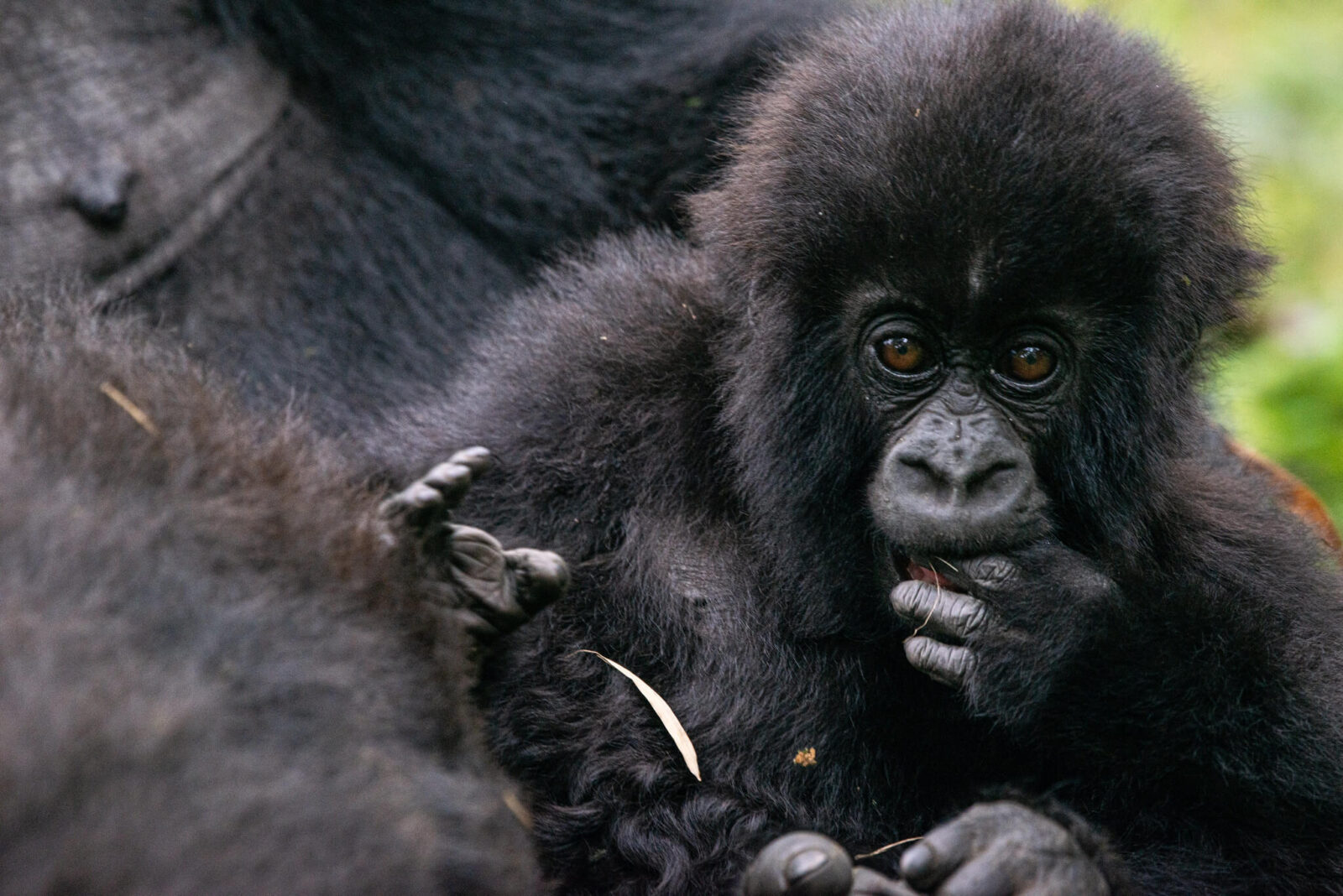
Juveniles and infants contributing to group continuity
Because the original Pablo group was extremely large, its descendants often carry traits of complex social organization, even in smaller modern configurations.
Behavioral Characteristics
Pablo-descended groups tend to display a mix of stability and movement depending on the specific family.
During visits, you may observe:
Structured group movement through forest terrain
Strong maternal bonds among females and infants
Occasional dominance interactions between males
Careful coordination during feeding and travel
These behaviors reflect both inherited social patterns and adaptation to current environmental conditions.
Historical Importance in Conservation
The Pablo lineage is one of the most important in the history of gorilla conservation in Rwanda and the wider Virunga ecosystem.
Its significance includes:
Early scientific documentation of gorilla behavior
Contribution to global awareness of endangered mountain gorillas
Foundational role in developing gorilla tourism frameworks
Much of what is known today about gorilla social structure was first observed in groups connected to the Pablo lineage.
Photography in Pablo-Related Groups
Photography opportunities depend on the specific descendant family being tracked.
General advantages include:
Historically rich context for storytelling
Varied group sizes and compositions
Strong behavioral documentation potential
Challenges include:
Dense forest environments
Variable movement patterns across different groups
Changing light conditions in volcanic terrain
Photographers interested in conservation storytelling often find Pablo-related groups especially meaningful.
Conservation Significance
As part of Volcanoes National Park, Pablo-descended families continue to contribute to Rwanda’s globally recognized conservation success.
Their presence supports:
Ongoing scientific research
Habitat protection and monitoring
Tourism-driven conservation funding
Community-based conservation initiatives
The lineage also serves as a living link between early conservation efforts and modern protection strategies.
Comparing Pablo Lineage Groups with Others
Unlike individually named families such as Agashya or Amahoro, Pablo refers to a broader ancestral lineage.
Compared to newer groups, Pablo-descended families often:
Have deeper historical significance
Show more complex social inheritance patterns
Include a mix of large and smaller group descendants
This makes them particularly important from both scientific and historical perspectives.
Who Should Choose Pablo-Related Groups
Pablo-descended families are best suited for:
Visitors interested in conservation history
Travelers who want context beyond individual group behavior
Researchers and wildlife enthusiasts
Photographers focused on storytelling and legacy
They may be less suitable for those seeking a single, highly predictable trekking experience, since different descendant groups vary significantly.
Rules and Responsible Trekking
As with all gorilla trekking in Rwanda, strict conservation rules apply.
Visitors must:
Maintain a minimum distance of 7 meters
Limit viewing time to one hour
Follow ranger instructions at all times
Avoid trekking if unwell
Keep noise levels low
These rules are essential for protecting gorillas and preserving their natural behavior.
The Experience in Perspective
Encountering a Pablo-descended gorilla family feels like stepping into a living history of conservation.
You are not only observing a present-day group-you are witnessing the continuation of one of the most important gorilla lineages ever documented.
This adds depth to the experience, connecting present encounters with decades of research and protection efforts.
The Pablo Gorilla Family lineage in Volcanoes National Park represents one of the most historically significant foundations of mountain gorilla conservation.
Defined by its connection to early research, shaped by large ancestral group structures, and continuing through multiple descendant families, it offers a trekking experience rich in meaning and legacy.
For visitors seeking more than observation-those who want to understand the roots of gorilla conservation itself-the Pablo lineage provides a powerful and enduring connection.
It is not just a gorilla family.
It is the foundation of modern gorilla history in Rwanda.