
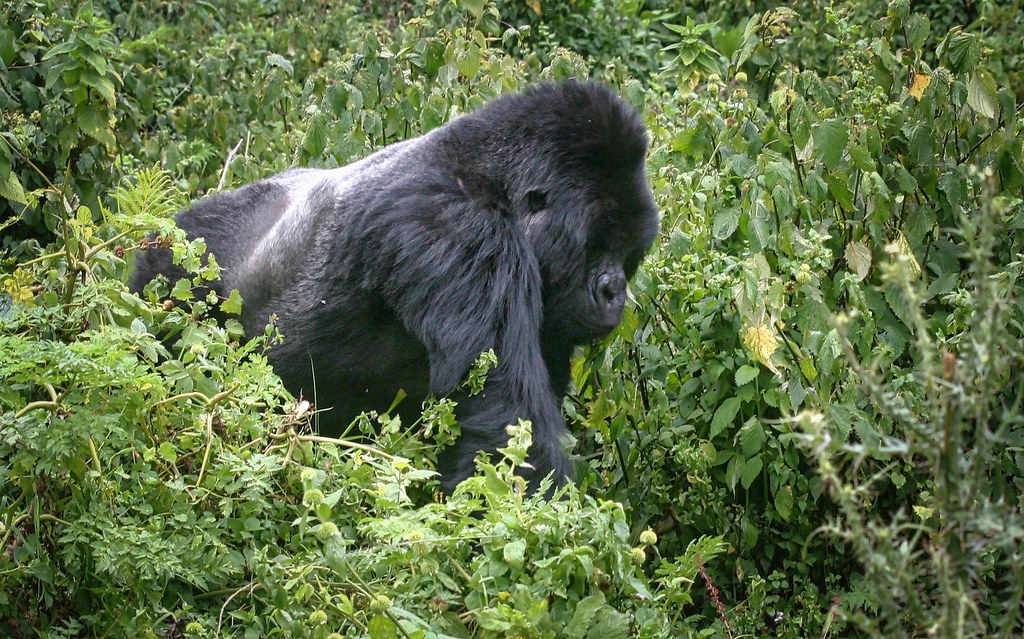
Ntambara Gorilla Family Rwanda: Bisoke’s Newest Habituated Group
In the volcanic wilderness of Volcanoes National Park, where cloud forests cling to steep slopes and the air is constantly shaped by altitude and mist, new gorilla families are occasionally introduced into the tourism system as part of long-term conservation expansion. One of the more recent additions associated with the Mount Bisoke region is the Ntambara gorilla family, a newly habituated group that represents both progress in conservation and the continuing evolution of Rwanda’s gorilla trekking landscape.
As one of the newest habituated families, Ntambara offers a fresh trekking experience shaped by careful monitoring, gradual habituation, and growing visitor interest.
The Meaning of “Ntambara”
The name Ntambara is associated with strength and resilience, often interpreted in Kinyarwanda as a reference to conflict or struggle, but in a conservation context it reflects endurance and survival.
For newly habituated gorilla groups, names often symbolize:
The challenges of adaptation to human presence
The strength required to form a stable social unit
The transition from wild, unmonitored life to protected tourism integration
Ntambara fits this pattern as a group that has undergone careful habituation to become part of Rwanda’s controlled trekking system.
What “Newly Habituated” Means
A newly habituated gorilla family is one that is still in the early stages of becoming comfortable with human observers.
Habituation is a gradual process that involves:
Daily observation by researchers and rangers
Slow exposure to human presence at increasing distances
Monitoring behavioral responses to ensure minimal stress
Careful tracking of group stability and health
For Ntambara, this means the group is relatively new to tourism, and its behavior may still show subtle signs of caution or adjustment compared to long-established families.
Location: Mount Bisoke Region
The Ntambara family is associated with the Mount Bisoke area within Volcanoes National Park.
This region is known for:
High-altitude rainforest environments
Steep volcanic slopes and crater landscapes
Dense bamboo zones and Hagenia woodland
Frequent mist and rapid weather changes
Mount Bisoke itself is one of the most iconic volcanoes in the Virunga range, and its forested slopes provide a rich habitat for mountain gorillas.
Trekking Experience to Ntambara
Trekking the Ntambara family can be variable due to its new status and the group’s still-developing movement patterns.
Expect:
Moderate to challenging hikes depending on group location
Unpredictable trekking routes as the group explores its range
Dense vegetation typical of Bisoke slopes
Possible longer tracking times compared to established families
Because the group is still adapting, rangers may need to follow fresh signs of movement before locating it.
This adds a sense of exploration to the experience.
Group Structure and Composition
As a newly habituated group, Ntambara is still stabilizing its social structure.
It typically includes:
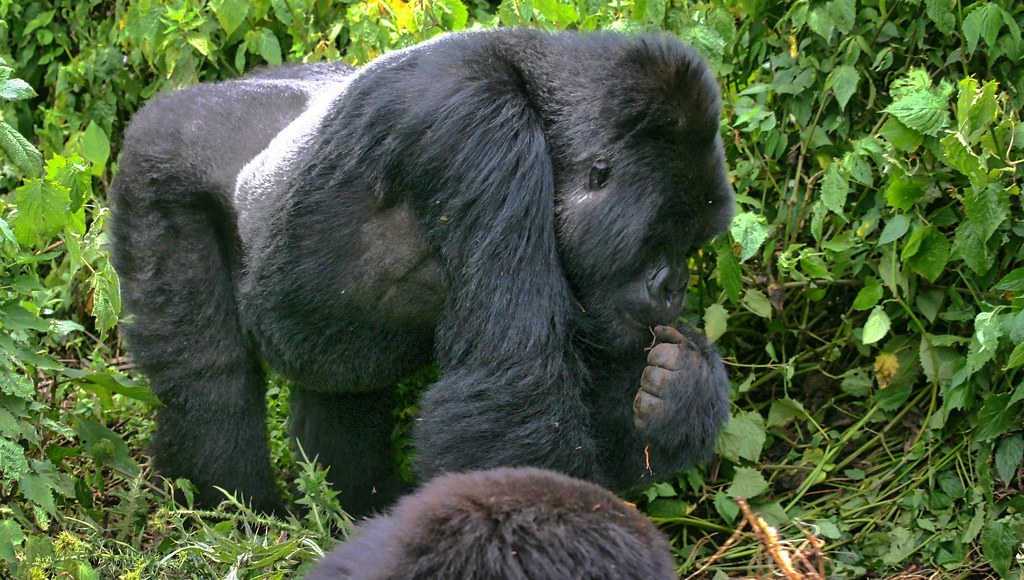
A dominant silverback leading the group
Several adult females forming the core social unit
Juveniles and infants contributing to group growth
The exact composition may evolve over time as the group becomes more established within its habitat.
Early-stage families like Ntambara often show dynamic internal relationships as they settle into long-term stability.
Behavior and Early Habituation Traits
Because Ntambara is newly habituated, its behavior may differ slightly from long-established gorilla groups.
Visitors may observe:
More cautious initial responses to human presence
Increased alertness among adult females
Gradual relaxation as the group becomes comfortable
Shorter or more fragmented activity periods at times
However, habituation ensures that the group remains safe for tourism while maintaining natural behaviors.
Over time, these responses are expected to become more relaxed and consistent.
The Role of the Silverback
The silverback in the Ntambara family plays a crucial role in guiding both social stability and habituation progress.
His responsibilities include:
Protecting the group during human encounters
Maintaining cohesion in a new or changing environment
Leading movement across unfamiliar terrain
Setting behavioral tone for the rest of the group
In newly habituated families, the silverback’s temperament significantly influences how quickly the group adjusts to trekking tourism.
Photography Opportunities
Ntambara offers evolving photography conditions, especially interesting for those who enjoy documenting natural behavior in transition.
Advantages include:
Fresh behavioral patterns due to early habituation
Opportunities to document a developing gorilla family
Beautiful volcanic forest backdrops of Bisoke
Challenges include:
Cautious behavior limiting close positioning
Variable movement and location changes
Dense vegetation affecting visibility
Photographers focused on storytelling and conservation documentation may find Ntambara particularly rewarding.
Conservation Importance
As part of Volcanoes National Park, the Ntambara family plays an important role in expanding Rwanda’s gorilla tourism capacity while maintaining strict conservation standards.
Its habituation contributes to:
Reducing pressure on older gorilla families
Increasing tourism distribution across park zones
Supporting long-term genetic and population monitoring
Strengthening community-based conservation systems
Each newly habituated group represents careful planning and years of monitoring before becoming available for trekking.
Comparing Ntambara with Established Families
Compared to long-established groups in Volcanoes National Park, Ntambara differs in several key ways.
Established families often have:
Highly predictable locations
Long-standing social stability
Well-documented behavioral patterns
Ntambara, by contrast, is characterized by:
Developing movement patterns
Early-stage social stabilization
Gradual adaptation to human presence
This makes it a more exploratory and less predictable trekking experience.
Who Should Choose Ntambara
The Ntambara family is best suited for:
Experienced trekkers interested in new habituation processes
Conservation-focused visitors
Wildlife photographers documenting behavioral development
Travelers seeking a less conventional gorilla experience
It may be less suitable for those seeking highly predictable, easy, or well-established trekking encounters.
Rules and Responsible Trekking
As with all gorilla trekking in Rwanda, strict conservation rules apply.
Visitors must:
Maintain a minimum distance of 7 meters
Limit viewing time to one hour
Follow ranger instructions at all times
Avoid trekking if unwell
Keep noise levels low
These rules are especially important for newly habituated groups like Ntambara, where minimizing stress is essential.
The Experience in Perspective
Encountering the Ntambara family feels like witnessing the early stages of a new chapter in gorilla conservation.
Unlike long-established groups, this experience carries a sense of observation in progress. Visitors are not only seeing gorillas in their natural habitat but also witnessing how a wild group gradually adapts to responsible tourism.
This creates a unique sense of connection to conservation work itself.
The Ntambara Gorilla Family in Volcanoes National Park represents one of the newest additions to Rwanda’s carefully managed gorilla trekking system.
Defined by its early-stage habituation, shaped by the volcanic forests of Mount Bisoke, and guided by ongoing conservation efforts, it offers a rare glimpse into the beginning of a gorilla family’s journey within tourism.
For visitors seeking a fresh, evolving, and conservation-centered experience, Ntambara provides something distinct from established trekking groups.
It is not just a gorilla family.
It is the beginning of a story still unfolding in the wild.