
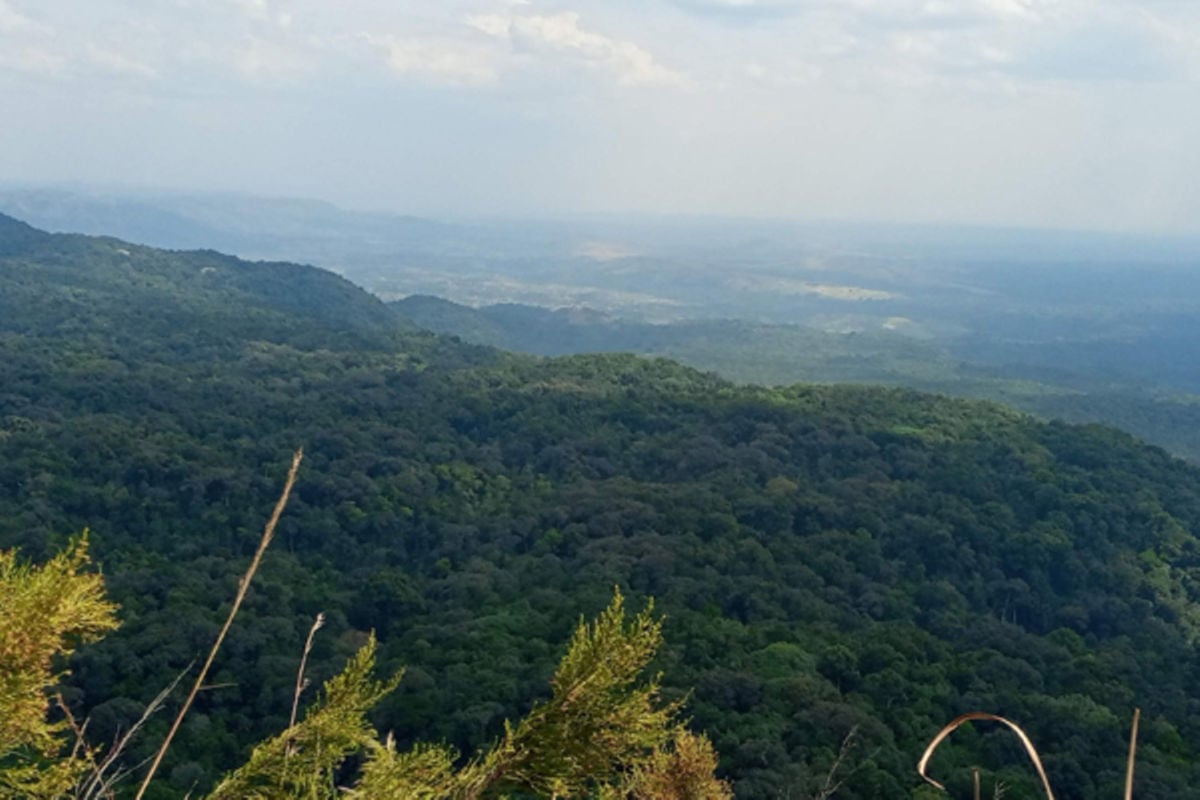
Maramagambo Forest: Bat Caves and Primates in Queen Elizabeth NP
Most first-time visitors touring Queen Elizabeth National Park never venture beyond the open savanna and Kazinga Channel circuit that anchors the standard game drive and boat cruise itinerary, leaving Maramagambo Forest, a genuinely different tropical rainforest ecosystem tucked into the park’s southern reaches, as one of the more overlooked corners of an already underappreciated part of Uganda’s safari landscape. Maramagambo Forest offers a distinctly different experience from the rest of Queen Elizabeth, dense rainforest canopy rather than open grassland, primates rather than big cats and elephants, and a genuinely striking bat cave that draws a specific kind of curious traveler willing to step off the standard circuit. Understanding what the forest actually offers, and the important safety history behind how one specific attraction is now managed, helps travelers decide whether to build this detour into their itinerary.
Where the Forest Sits and What It Looks Like
Maramagambo Forest occupies the southern portion of Queen Elizabeth National Park within Bushenyi district specifically, a genuine tropical rainforest bordered by two crater lakes, Lake Kyasanduka and Lake Nyamasingiri, that add further, genuinely welcome scenic and ecological variety to the immediate surrounding area. This forest setting stands in genuinely real contrast to the open savanna most first-time visitors associate with Queen Elizabeth, dense canopy, filtered light, and a noticeably different soundscape dominated by birdsong and primate calls rather than the open-plains atmosphere of the park’s more famous game-viewing sections. Visitors arriving expecting more of the same savanna scenery are often genuinely surprised by how different this specific corner of the park feels, a reminder of just how much genuine habitat diversity Queen Elizabeth actually contains beyond its headline grassland and channel attractions. This ecological range is part of what distinguishes Queen Elizabeth from parks built around a single dominant habitat type, since a single visit here can genuinely span open savanna, water-based wetland ecosystems, and dense tropical rainforest without ever leaving the park’s own boundaries.
The Bat Cave: A Genuine Spectacle With a Serious History
Maramagambo’s most famous single feature is its bat cave, a volcanic tube cave housing an enormous resident bat population, with millions of individuals occupying the cave’s interior at any given time, alongside pythons that have taken up residence specifically to feed on the bats themselves, creating a genuinely dramatic predator-prey ecosystem within a single confined space. This dense concentration of bats and their python predators makes for one of the more visually striking wildlife spectacles available anywhere in the entire park, a dense, chaotic mass of movement and sound that photographs and videos rarely capture with the same visceral impact as actually standing there in person. Visitors consistently describe the sheer scale of the colony as genuinely difficult to process from a single vantage point, the sound alone, a constant, layered chittering rising from thousands of individuals, is often the detail people remember most vividly rather than any single visual image.
Why Direct Cave Access Is No Longer Permitted
It is essential to understand the serious safety history behind how this specific attraction is managed today. In 2008, a visitor to the cave contracted Marburg virus, a genuinely dangerous hemorrhagic fever transmitted through contact with infected bats, a documented incident that led directly to Uganda Wildlife Authority, working alongside the American Centers for Disease Control, closing direct visitor access to the cave interior entirely. In place of direct entry, park management subsequently constructed a dedicated, purpose-built viewing platform positioned outside the cave itself, allowing visitors to observe the bat colony and its scale from a safe distance without the direct contact risk that led to the original incident. This arrangement reflects exactly the kind of serious, evidence-based safety response responsible park management should apply following a genuine health incident, and travelers should treat any operator or informal guide suggesting direct cave entry with real skepticism, since this practice has been officially prohibited for years now specifically because of this documented risk. Marburg virus, closely related to Ebola in both its severity and transmission risk, is exactly the kind of pathogen where a single, cautious safety response following even one confirmed case is the appropriate, proportionate policy rather than an overreaction, and Uganda Wildlife Authority’s continued enforcement of the viewing-platform-only arrangement in the years since reflects that same appropriately serious, ongoing caution rather than a rule that has quietly relaxed over time.
The Forest’s Primate Community
Beyond the bat cave, Maramagambo Forest supports a genuinely diverse primate community, seven distinct species according to most current surveys, including vervet monkeys, L’Hoest’s monkeys, black-and-white colobus, red-tailed monkeys, baboons, and chimpanzees, all moving regularly through the forest’s layered canopy and understory. Nocturnal primates, including pottos and several distinct bushbaby species, round out this considerably fuller picture, though observing these specifically requires a dedicated night walk rather than a standard daytime forest visit, since these smaller, more elusive species are considerably harder to locate during daylight hours when they remain hidden and largely inactive. A guide equipped with a spotlight and genuine familiarity with the forest’s nocturnal activity patterns makes a substantial difference here, since pottos and bushbabies rely on reflective eye-shine to be spotted at all in the dark, a technique that takes real practice to apply effectively across dense, unfamiliar forest terrain.
Other Wildlife Sharing the Forest
Maramagambo’s overall ecosystem extends well beyond just bats and primates alone, with elephants, bushpigs, and several smaller antelope species, including pygmy antelope, moving through the forest alongside a genuinely rich bird population drawn to the dense canopy and nearby crater lake habitat. This broader biodiversity means a Maramagambo visit genuinely rewards travelers with general wildlife curiosity even well beyond the specific bat cave and primate draws alone, since the forest’s overall ecological richness offers genuine value on its own terms rather than depending entirely on a single headline attraction to justify the detour. The two nearby crater lakes add a further scenic dimension worth building into the same visit, offering calm, reflective water framed by forest that contrasts sharply with the more dramatic, wildlife-dense stretches of the Kazinga Channel elsewhere in the park.
Planning a Visit to Maramagambo
Visiting Maramagambo Forest generally requires a dedicated stop or guided forest walk arranged through your tour operator or directly with Uganda Wildlife Authority, since the forest sits somewhat apart from the standard game drive and boat cruise circuit most Queen Elizabeth itineraries default to. Building in a half-day specifically for this detour, ideally combined with the nearby crater lakes for a fuller southern-sector experience, gives travelers enough time to properly appreciate both the bat cave viewing platform and a genuine forest walk without rushing through either. Guides genuinely experienced with this specific forest bring real, tangible value here, both for locating the more elusive primate species and for providing accurate, current information about the bat cave’s safety history and current viewing arrangements, information genuinely worth hearing directly from a knowledgeable guide rather than relying purely on vague secondhand accounts picked up elsewhere.
What to Bring for a Forest Walk Here
Maramagambo’s dense, humid rainforest environment calls for genuinely different preparation than a standard savanna game drive. Comfortable, genuinely sturdy walking shoes suited to uneven forest terrain matter considerably more here than they would for any vehicle-based game drive, and insect repellent is genuinely worth applying diligently and repeatedly given the forest’s dense vegetation and correspondingly higher insect activity compared to the more open, breezier savanna sections of the park. Binoculars genuinely, meaningfully improve the primate-viewing experience given how much canopy activity happens well overhead at height, and a camera with reasonable low-light capability helps considerably given how much dimmer the forest interior is compared to open grassland, particularly for anyone hoping to capture genuine detail from the bat cave viewing platform itself. A lightweight rain jacket is also worth packing regardless of season, since rainforest environments like Maramagambo tend to produce sudden, brief showers even outside the park’s officially designated wet months, a pattern quite different from the more predictable seasonal rainfall visitors typically plan around for the savanna sections of their itinerary.
Combining Maramagambo With the Rest of Queen Elizabeth
Our broader overview of Queen Elizabeth National Park covers the full range of activities worth combining with a Maramagambo detour, game drives, the Kazinga Channel boat cruise, and chimpanzee trekking at Kyambura Gorge, into a single, genuinely comprehensive itinerary. Our page on Kyambura Gorge chimpanzee trekking is worth reading alongside Maramagambo specifically for travelers building a primate-focused leg of their Queen Elizabeth itinerary, since both destinations offer genuinely different forest ecosystems within the same broader park. Maramagambo Forest rewards travelers willing to step away from the standard savanna circuit, offering a rainforest experience, a genuinely dramatic bat cave with a serious, well-managed safety history, and a rich, diverse seven-species primate community that most Queen Elizabeth visitors never discover simply because it sits just far enough off the beaten path to require a genuinely deliberate decision to seek it out rather than being folded automatically into every standard itinerary.