
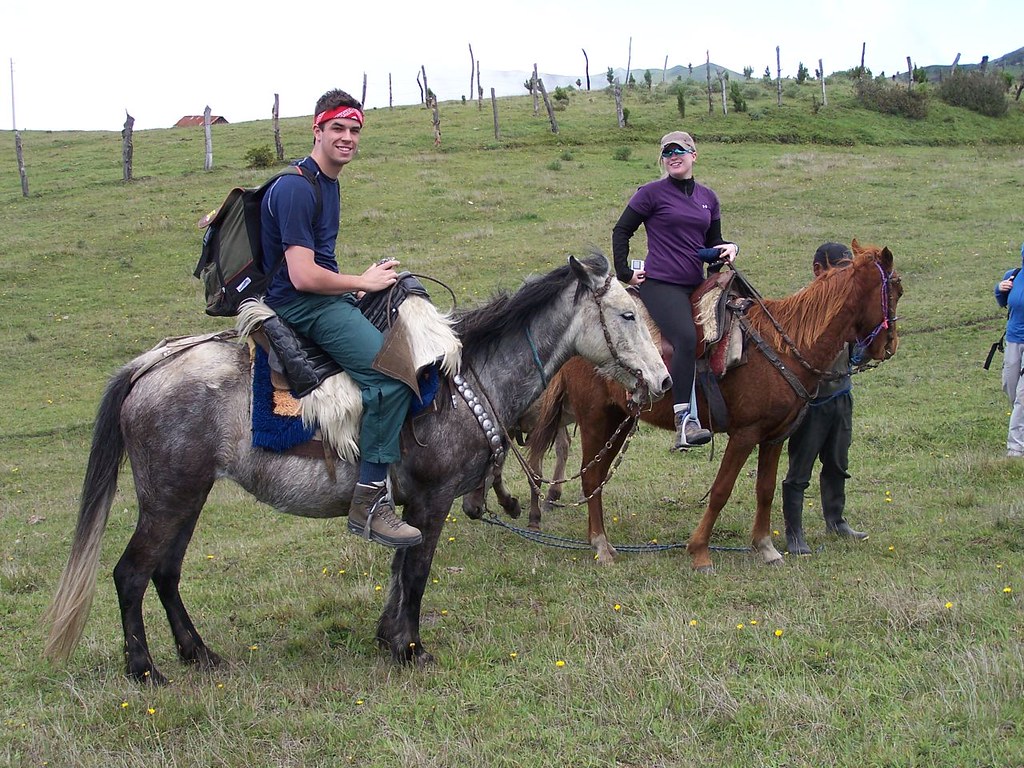
Horseback Safari at Lake Mburo: A Unique Way to See Wildlife
Most people picture a safari from the inside of a jeep, camera braced against a window frame, engine idling low so as not to spook whatever has just wandered into view. Lake Mburo National Park offers something different, and it is one of the more memorable ways to encounter East African wildlife: a horseback safari that puts you on the same eye level as the animals you have come to see, moving through the bush at a walking pace with no metal, glass, or engine noise between you and the savannah.
This is not a novelty activity tacked onto a standard itinerary. It is a genuine, well-established way of experiencing Lake Mburo that a lot of first-time visitors to Uganda do not know exists until they start researching this particular park in detail.
Why Horses Work at Lake Mburo When They Don’t Work Elsewhere
The reason horseback safaris are possible at Lake Mburo comes down to one specific ecological fact: the park has no lions. Uganda’s other savannah parks, Queen Elizabeth and Murchison Falls in particular, carry healthy lion populations, and putting a horse and rider into that environment would be reckless for obvious reasons. Lake Mburo’s lion population disappeared decades ago, and while that absence is a genuine loss for the park’s predator hierarchy, it created an unusual opportunity. Without lions in the equation, a horse is no longer prey in the eyes of the resident wildlife. It is simply another four-legged shape moving through the acacia woodland, and most animals barely react to it.
Leopards are still present in Lake Mburo, though they are shy, largely nocturnal, and rarely encountered on any activity, horseback or otherwise. The absence of the daytime predator threat, principally lions, is what makes this activity viable here in a way it simply is not in Uganda’s other national parks.
The Difference a Horse Makes Compared to a Vehicle
Anyone who has been on a few game drives will have noticed how differently animals behave around a vehicle compared to how they behave around something on foot or on horseback. A jeep is loud, mechanical, and unmistakably associated with humans, and animals that have grown used to vehicles will often tolerate them at a set distance and no closer. A horse reads completely differently to a zebra or an impala. It moves at a natural pace, makes natural sounds, and does not carry the mechanical signature that triggers a flight response. The practical result is that horseback riders in Lake Mburo frequently get closer to grazing herds than a vehicle ever could, sometimes within a few dozen metres of zebra or eland without the animals so much as lifting their heads.
Who Organises the Rides
Mihingo Lodge, situated on a rocky outcrop inside the park boundary, is the operator most closely associated with horseback safaris at Lake Mburo and has run this activity for years as one of its signature offerings. The lodge maintains a stable of horses suited to a range of experience levels, from complete beginners who have never sat on a horse before to seasoned riders comfortable with a canter across open ground. Many of the horses used for these safaris are former polo horses sourced from Kenya, chosen specifically because they are calm, well-conditioned animals that do not spook easily, an important trait when the whole point of the exercise is to move quietly among wild grazers.
Guides accompany every ride and are trained not just in horsemanship but in reading the park’s wildlife, choosing routes that maximise sightings while keeping both horses and guests at a sensible, respectful distance from anything that might be having a bad day. Rides are typically arranged in blocks of an hour or two, though longer rides can often be organised for guests staying at the lodge who want a fuller morning or afternoon out.
What You Will See From the Saddle
Lake Mburo’s wildlife list is smaller than the big northern parks, but what it lacks in sheer numbers it makes up for in accessibility, and horseback riding puts you right in among it. Zebra are the animal most visitors hope to see, and Lake Mburo holds Uganda’s largest population of them, grazing in loose herds across the park’s open grassland in a way that makes sightings from horseback almost guaranteed on any given ride.
Eland, the largest antelope species in Africa, are another highlight, and their size and slightly awkward gait make them unmistakable even at distance. Impala are common throughout the park and tend to be among the least skittish animals encountered, often continuing to graze calmly as a line of horses passes within easy viewing range. Buffalo are present too, though guides are typically more cautious around buffalo herds than around any other species on this list, since buffalo temperament is far less predictable than that of grazing antelope, and a wide berth is standard practice.
Giraffe Have Joined the Mix
One more recent addition to Lake Mburo’s wildlife makes horseback rides even more rewarding than they were a decade ago. Rothschild’s giraffe were translocated into the park in a conservation effort aimed at establishing a new population outside their historical range in Murchison Falls, and the reintroduced giraffe have settled in well. Spotting a giraffe’s head rising above the acacia canopy while on horseback, without an engine to announce your presence, is one of the more striking moments the park has to offer, and it is a sighting that simply was not possible at Lake Mburo before the translocation took place.
Beyond the mammals, Lake Mburo’s birdlife is easy to appreciate from horseback precisely because the pace is slow enough to actually notice what is moving in the grass and trees around you rather than catching a blur through a vehicle window. Guides who know the park well will point out species as you ride, adding another layer to what is already a multi-sensory way of experiencing the landscape.
Practical Considerations Before You Book
Riders should be reasonably comfortable in the saddle, though the activity is genuinely open to beginners given how calm the horses are and how closely guides manage the pace. Closed shoes, long trousers, and sun protection are sensible given the acacia scrub the routes pass through, which can scratch bare skin. Early morning and late afternoon rides tend to be the most comfortable temperature-wise and often coincide with when wildlife is most active, making them the preferred slots for most visitors.
It is worth booking in advance, particularly during Uganda’s peak travel months, since the stable operates with a limited number of horses and rides can fill up quickly among guests staying at or near the lodge. Weight limits typically apply for rider safety and for the wellbeing of the horses, so it is worth checking current guidelines when booking rather than assuming.
How It Fits Into a Wider Lake Mburo Visit
A horseback safari works best as one activity within a broader stay at Lake Mburo rather than the sole reason for visiting, though for many travellers it ends up being the highlight of their time in the park. Pairing it with a game drive, a boat trip on the lake itself, or one of the walking safaris the park is known for gives a rounded picture of a destination that rewards slowing down. Lake Mburo’s compact size means these activities are easy to combine within a two or three day stay without feeling rushed, something that is much harder to pull off in Uganda’s larger, more spread-out parks.
For travellers building a Uganda itinerary around gorilla trekking in the southwest, Lake Mburo sits conveniently along the main route between Kampala and Bwindi, making it a natural stop where a few hours or an overnight can be set aside for an activity that few other parks in the region are able to offer at all. A short stay at Lake Mburo built around a morning game drive and an afternoon in the saddle gives a genuine sense of what makes this small park worth the detour.
Best Time of Year for a Ride
Lake Mburo’s horseback safaris run throughout the year, which is one of the underrated advantages of a park this size. The dry months, roughly June through September and again from December into February, keep the ground firm underfoot and make for the most comfortable riding conditions, with visibility across the grassland at its clearest. Wildlife also tends to cluster more predictably around the park’s water sources during these drier stretches, which can make sightings easier to plan around.
The wetter months bring their own rewards even if the ground gets softer in places. Vegetation greens up quickly, migratory birds pass through in higher numbers, and the park is markedly quieter in terms of visitor traffic, which for some travellers is worth the trade-off on its own. Guides adjust routes depending on ground conditions after heavy rain, so a ride booked in the wetter season will simply follow a slightly different path rather than being cancelled outright, unless conditions are genuinely unsafe.
A Quiet Way to Remember the Park
Lake Mburo rarely gets the attention that Uganda’s larger parks receive, overshadowed by gorilla trekking permits and the sheer scale of Murchison Falls, yet it is often the stop travellers mention first when asked what stood out about their trip. A horseback ride through acacia woodland, with zebra grazing unbothered a few metres away and a giraffe’s silhouette breaking the treeline ahead, tends to do that. It is a slower, quieter kind of safari moment, and for many visitors it becomes the one they remember most clearly once the trip is over.