
Gorilla Sanctuaries vs. Wild Trekking: An Ethical Comparison
Travellers interested in gorilla encounters sometimes face a genuine choice between visiting a sanctuary housing rescued or orphaned primates and undertaking wild trekking to see fully wild, habituated gorilla families in their natural forest habitat. While these two experiences might appear superficially similar, they differ quite substantially in ethical framing, conservation purpose, and the kind of encounter travellers actually receive, distinctions genuinely worth understanding clearly before choosing between them.
What Sanctuaries Actually Do
Primate sanctuaries across East Africa, including Uganda’s Ngamba Island Chimpanzee Sanctuary, primarily serve orphaned, injured, or confiscated animals rescued from illegal wildlife trade, poaching incidents, or situations where the animal could no longer survive independently in the wild. These sanctuaries operate fundamentally as rehabilitation and welfare institutions, not zoos or entertainment venues, and typically maintain considerably more naturalistic environments than traditional captive facilities while still representing managed, non-wild settings.
Important Note: No Mountain Gorilla Sanctuaries Exist
Critically, no sanctuary anywhere houses mountain gorillas specifically, since this particular subspecies has never survived successfully in any captive or semi-captive setting, meaning any genuine sanctuary comparison necessarily involves other primates, chimpanzees most commonly, rather than mountain gorillas directly. Travellers specifically hoping to compare sanctuary versus wild viewing options for mountain gorillas will find only the wild trekking option genuinely available, since sanctuary alternatives simply don’t exist anywhere for this particular subspecies.
Wild Trekking: Encountering Genuinely Free-Living Gorillas
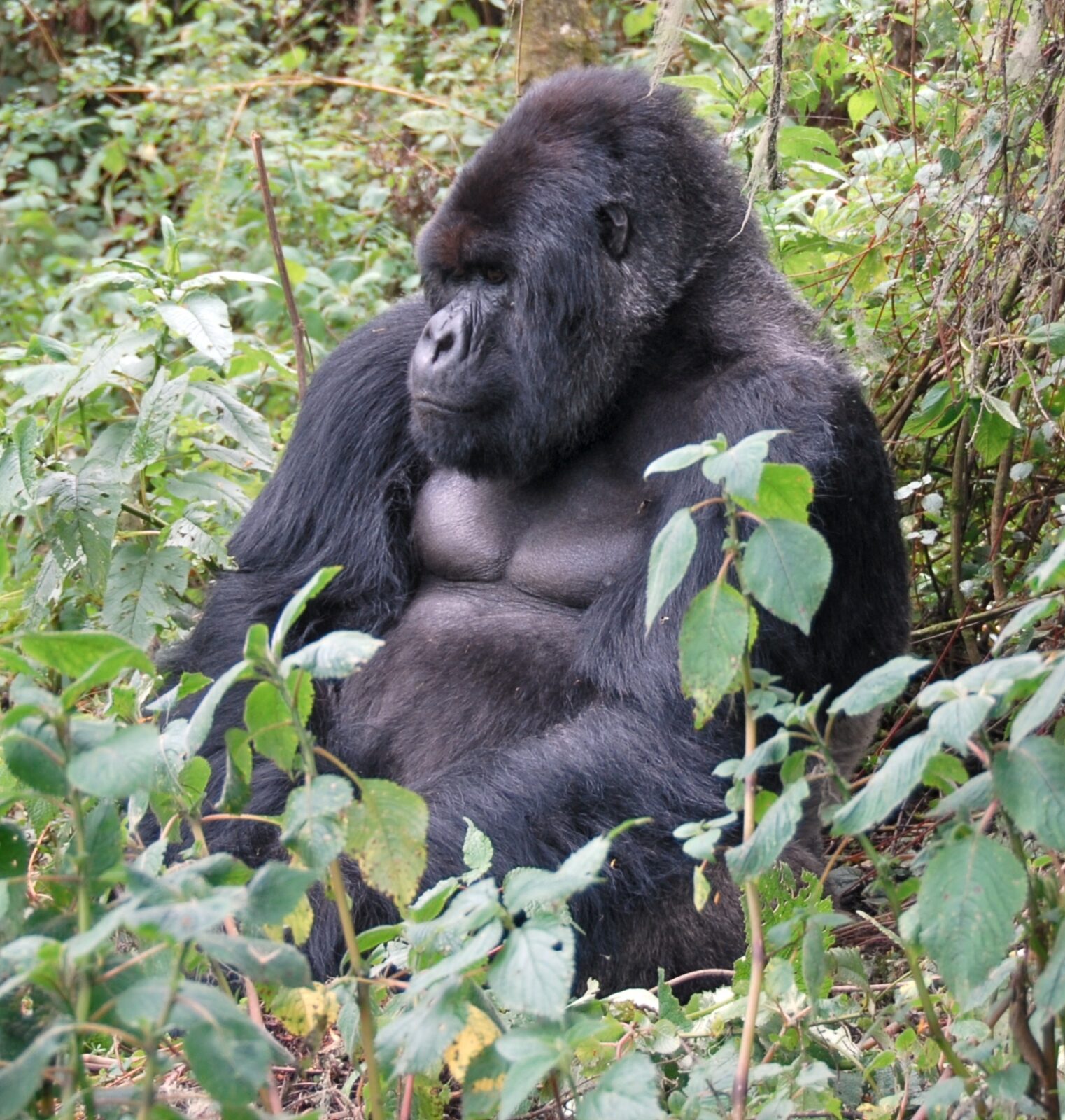
Wild gorilla trekking in Bwindi, Mgahinga, or Volcanoes National Park offers an entirely different category of encounter, observing gorillas living completely wild, moving, feeding, and socialising exactly as they would without any human management or intervention beyond the careful habituation process and strict viewing protocols. This wildness represents the fundamental distinguishing feature separating trekking from any sanctuary visit, regardless of how naturalistic a particular sanctuary environment might appear.
Comparing Chimpanzee Sanctuary and Wild Trekking Experiences
For chimpanzees specifically, where both sanctuary and wild trekking options genuinely exist in Uganda, Ngamba Island offers a considerably more accessible, predictable viewing experience with guaranteed sightings, while wild chimpanzee tracking in Kibale Forest offers the genuine unpredictability and wildness of encountering fully wild animals, though without guaranteed viewing success on any given day. This trade-off, guaranteed access versus authentic wildness, represents the core practical difference travellers weigh when choosing between these two genuinely different chimpanzee encounter options.
Ethical Considerations Around Sanctuary Visits
Well-run sanctuaries serve genuine, important conservation and welfare functions, providing lifelong care for animals that cannot survive independently, supporting conservation education, and in some cases contributing to breeding programmes for genuinely endangered populations where captive breeding remains viable. Travellers should evaluate specific sanctuaries carefully, however, since the term “sanctuary” isn’t legally protected or standardised, meaning quality and genuine welfare commitment vary considerably across different facilities marketing themselves under this label.
Ethical Considerations Around Wild Trekking
Wild trekking raises its own distinct ethical considerations, primarily around the habituation process itself, which involves deliberately conditioning wild gorillas to tolerate human proximity, a process some conservation ethicists have questioned given its departure from pure non-interference conservation principles. The counter-argument, widely accepted within mainstream gorilla conservation circles, holds that habituation-funded tourism revenue has directly enabled the population recovery that has moved mountain gorillas from critically endangered toward endangered status, a conservation outcome purists might struggle to achieve through non-interference alone.
Which Option Offers a “More Authentic” Experience
Wild trekking undeniably offers a more authentic wildlife encounter in the most literal sense, genuinely wild animals behaving entirely naturally without ongoing human care or management, while sanctuary visits offer a different kind of authenticity, honest insight into the real welfare challenges facing primates displaced by poaching, habitat loss, or the illegal wildlife trade. Neither framing is inherently more valid than the other, they simply represent different, equally legitimate categories of wildlife encounter serving different conservation and educational purposes.
Cost Differences Between the Two Options
Sanctuary visits typically cost considerably less than wild gorilla trekking permits, Ngamba Island entry runs a fraction of the cost of a Bwindi gorilla permit, making sanctuary visits a genuinely more accessible option for budget-conscious travellers or those unable to justify the considerable expense of a wild trekking permit. This cost difference reflects the fundamentally different infrastructure, conservation funding, and experience each option provides, rather than simply representing a discount version of the same underlying experience.
Combining Both Experiences Within a Single Trip
Many travellers choose to combine both experience types within a broader Uganda itinerary, visiting Ngamba Island’s chimpanzee sanctuary for a guaranteed, more accessible primate encounter alongside wild gorilla or chimpanzee trekking for the profound wildness that only a genuine forest encounter can provide. This combination approach allows travellers to appreciate both the conservation and welfare work sanctuaries provide and the extraordinary experience wild trekking delivers, rather than viewing the two options as mutually exclusive alternatives.
What Sanctuary Visits Teach About Conservation Challenges
Beyond the animal encounter itself, sanctuary visits often provide genuinely valuable educational context about the specific threats facing primates, poaching, illegal pet trade, habitat destruction, context that deepens understanding of why wild trekking’s conservation funding model matters so significantly. Travellers who visit a sanctuary before or after wild trekking frequently report a richer, more complete understanding of the broader conservation landscape than either experience alone would provide.
Making an Informed, Ethical Choice
Rather than viewing sanctuary visits and wild trekking as competing options where one is simply more ethical than the other, travellers benefit from understanding what each genuinely offers, sanctuaries providing essential welfare care and accessible education, wild trekking providing profound, authentic encounters with genuinely free-living animals funded directly by conservation-critical tourism revenue. For travellers specifically drawn to mountain gorillas, wild trekking remains the only option, making a Uganda gorilla trekking safari the genuine pathway to this particular, extraordinary encounter.
How Sanctuaries Fund Their Ongoing Operations
Legitimate sanctuaries typically rely on a combination of visitor entry fees, international donor support, and, in some cases, partnership funding from conservation organisations, a funding model considerably more dependent on charitable and donor goodwill than the tourism-driven revenue model underpinning wild gorilla trekking. This funding distinction matters for understanding long-term sustainability, sanctuaries generally require ongoing donor engagement to remain financially viable, while wild trekking’s permit-based funding model has proven more self-sustaining over time given its direct link to a globally sought-after wildlife experience.
Questions Worth Asking Before Visiting Any Sanctuary
Travellers considering a sanctuary visit should ask specific questions before booking, whether the facility is accredited by recognised sanctuary or conservation bodies, how animals originally arrived at the facility, whether the sanctuary prioritises genuine animal welfare over visitor entertainment value, and how transparently the organisation communicates about its funding and operations. Facilities unable or unwilling to answer these questions clearly warrant genuine caution, since legitimate sanctuaries generally welcome this kind of scrutiny as part of demonstrating their authentic conservation and welfare commitment.
Respecting Both Forms of Primate Encounter
Ultimately, both sanctuary visits and wild trekking deserve genuine respect as legitimate, ethically grounded ways to encounter primates, provided travellers choose reputable operators and facilities committed to authentic welfare and conservation outcomes rather than pure entertainment or profit. Understanding the genuine distinctions between these two experiences, rather than assuming one is automatically more ethical than the other, allows travellers to make choices genuinely aligned with their own values and conservation priorities.
The Role of Sanctuaries in Broader Conservation Education
Beyond direct animal care, well-run sanctuaries often serve an important public education function, hosting school groups, local community visits, and international tourists, building broader awareness and support for primate conservation among audiences who might never undertake the physically demanding, expensive journey required for wild trekking. This accessibility gives sanctuaries a genuinely valuable role in building the kind of broad-based conservation constituency that ultimately supports wild habitat protection efforts as well, even for visitors who never trek to see wild gorillas or chimpanzees themselves.
How Rescued Animals End Up at Sanctuaries
Most sanctuary residents arrive through confiscation from illegal wildlife trade operations, rescue from situations where they were kept illegally as pets, or as orphans whose mothers were killed by poachers, circumstances that mean these animals typically cannot be safely released back into wild populations given insufficient wild survival skills or, in some cases, ongoing health considerations. Understanding this origin story adds important context to a sanctuary visit, transforming it from simply viewing primates in a managed setting into direct exposure to the very real, ongoing threats that make broader gorilla and chimpanzee conservation work so genuinely necessary.
Long-Term Care Commitments Sanctuaries Make
Unlike wild trekking, where each encounter involves genuinely independent, self-sufficient animals, sanctuaries take on a permanent care commitment for every resident animal, often spanning decades given primate lifespans, a substantial and ongoing financial and logistical obligation that responsible sanctuaries plan for carefully rather than accepting animals without adequate long-term resourcing. This long-term care dimension represents a meaningfully different kind of conservation commitment than wild habitat protection, one focused squarely on individual animal welfare across an entire lifetime rather than the broader, population-level conservation outcomes wild trekking revenue primarily targets.