
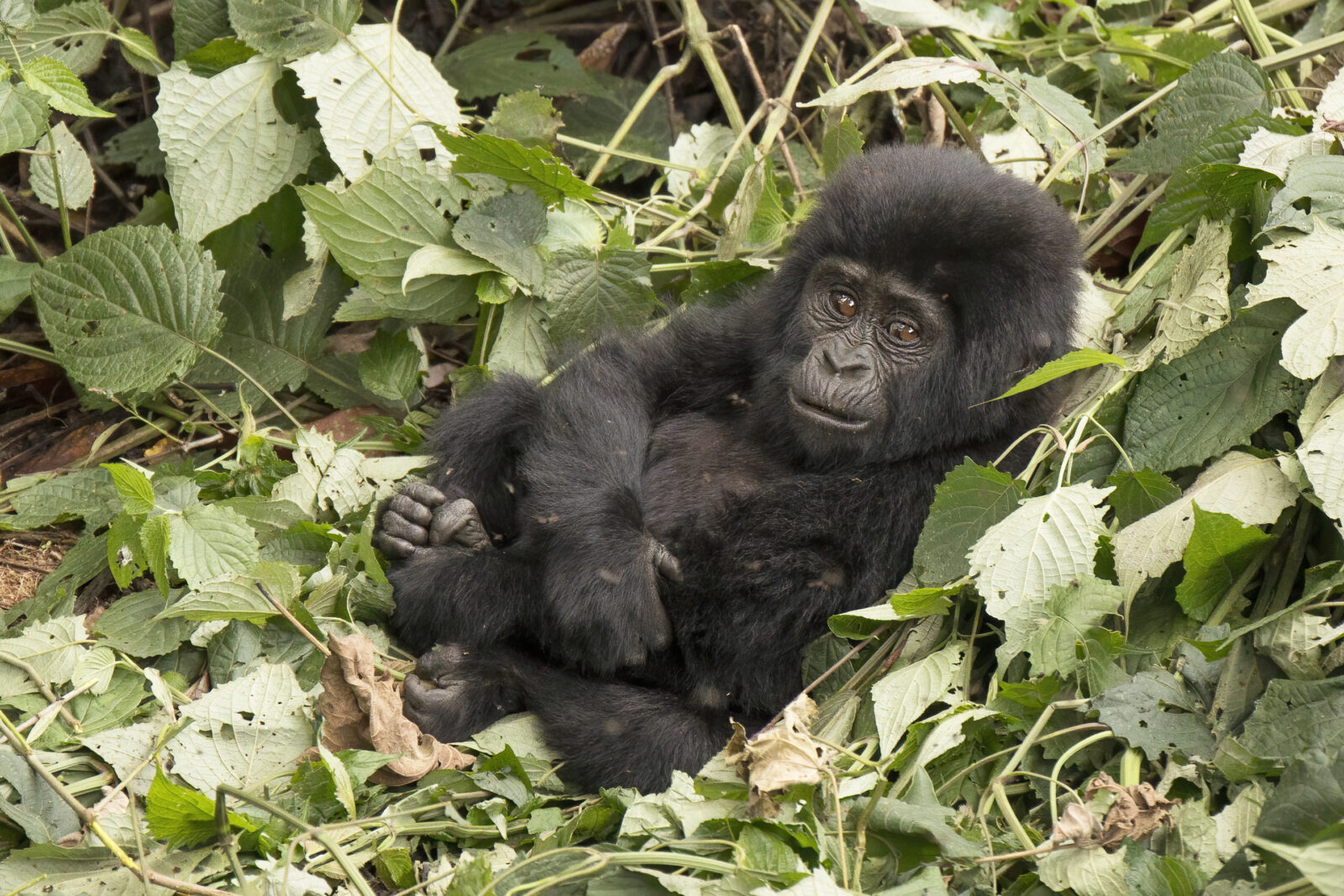
Gorilla Orphans in Uganda: What Happens to Poaching Victims?
When poaching or snare-related incidents claim an adult gorilla’s life, surviving infants and juveniles within that family group face a genuinely precarious situation, one that Uganda’s conservation infrastructure has developed specific protocols to address. Understanding what actually happens to these young gorilla orphans reveals both the genuine challenges involved and the careful, considered decision-making conservation teams apply to each individual case.
Why Gorilla Orphans Represent Such a Difficult Conservation Challenge
Young gorillas depend intensely on maternal care and broader family group support for physical survival, social development, and learning the complex behaviours needed for eventual independent adult life, meaning the loss of a mother or entire family group creates a genuinely severe crisis for any surviving young gorilla. Unlike many other wildlife species where orphaned young might have realistic prospects for independent survival, young gorillas facing this situation require considerable intervention simply to survive the immediate aftermath of losing their family structure.
The First Response: Immediate Veterinary Assessment
When rangers or researchers discover an orphaned gorilla, whether following a confirmed poaching incident or found separated from its family group under unclear circumstances, Gorilla Doctors veterinarians typically conduct immediate health assessment, addressing any physical injuries and evaluating the orphan’s overall condition and prospects. This initial assessment shapes all subsequent decisions about the orphan’s care pathway, since physical health, age, and psychological state all factor into determining the most appropriate next steps.
Attempting Reintegration With the Existing Family Group
Where genuinely possible, conservation teams strongly prefer reintegrating an orphaned young gorilla back into its existing family group or a compatible alternative group, recognising that gorilla social structure and family bonds play an essential role in healthy development that no human-managed care setting can fully replicate. This reintegration approach, when successful, allows the young gorilla to continue developing within a genuine wild social structure, the preferred outcome whenever a young gorilla’s remaining family group can be safely identified and the reintegration process managed successfully.
When Reintegration Isn’t Possible
In situations where reintegration proves genuinely impossible, whether because an entire family group was lost, the orphan is too young to survive without intensive care, or specific circumstances prevent safe return to a wild group, conservation teams face considerably more difficult decisions about alternative care pathways. Given that no sanctuary or captive facility exists specifically for mountain gorillas, these situations represent some of the most genuinely challenging cases mountain gorilla conservation teams encounter.
The Absence of Mountain Gorilla Sanctuaries Complicates Orphan Care
Because mountain gorillas have never survived successfully in captivity, the standard sanctuary pathway available for orphaned chimpanzees at facilities like Ngamba Island simply doesn’t exist as an option for mountain gorilla orphans specifically, meaning conservation teams must work within considerably more limited options than would be available for other primate species facing similar circumstances. This absence of a captive care fallback option makes successful reintegration efforts considerably more consequential, since alternatives genuinely available for other orphaned primates aren’t available here.
Extended Monitoring and Support
Young gorillas who successfully reintegrate into a family group, whether their original group or an alternative compatible one, typically receive extended monitoring from research and veterinary teams, tracking their development, social integration, and overall health over subsequent months and years to ensure the reintegration genuinely succeeds long-term. This sustained monitoring reflects the considerable ongoing investment conservation teams make in individual gorillas, particularly those who’ve experienced this kind of traumatic early life disruption.
How Common Are Orphan Situations Today
Thanks to decades of sustained anti-poaching efforts and community engagement work, direct poaching-related orphan situations have become considerably less common than in earlier decades of gorilla conservation, though snare-related injuries and, occasionally, natural causes still produce orphan situations conservation teams must address periodically. This declining frequency represents a genuine, measurable conservation success story, even as the underlying challenge of caring for any individual orphan case that does arise remains just as complex as it has always been.
The Role of Silverback Protection Within Groups
Interestingly, dominant silverbacks within gorilla family groups sometimes take on protective, quasi-parental roles for orphaned young gorillas within their existing group, particularly if the orphan’s mother dies but the broader family group remains intact, offering a natural pathway for continued family-group-based care without requiring external human intervention beyond ongoing monitoring. This natural silverback protection represents one of the more hopeful dynamics conservation teams observe, since it allows the social benefits of family group life to continue even after losing a specific maternal caregiver.
Long-Term Outcomes for Successfully Reintegrated Orphans
Gorillas who successfully navigate orphan status and reintegrate into family groups during their youth generally go on to live full adult lives within Uganda’s habituated gorilla population, eventually forming their own family groups or joining other established groups as they mature, demonstrating that early life trauma, while genuinely serious, doesn’t necessarily preclude a full, healthy adult life when conservation intervention succeeds. These success stories provide meaningful validation for the considerable resources and expertise conservation teams invest in navigating these genuinely difficult individual cases.
Comparing Orphan Care to Approaches for Other Endangered Species
Mountain gorilla orphan response differs meaningfully from approaches used for other endangered species where captive rehabilitation centres or eventual release programmes offer established alternative pathways, since mountain gorillas’ complete inability to survive in captivity removes an option many other conservation programmes rely upon. This distinction places unusually heavy weight on successful reintegration as essentially the only viable pathway for a surviving orphan, making the skill and judgment conservation teams bring to each individual case genuinely irreplaceable given the absence of any fallback captive care option elsewhere in the system.
What This Reveals About Broader Conservation Priorities
The careful, resource-intensive attention given to individual orphan cases reflects mountain gorilla conservation’s broader emphasis on individual animal welfare within a critically important, still-recovering population, an approach that would be impractical for more numerous species but makes genuine sense given mountain gorillas’ relatively small total population where every surviving individual carries meaningful weight for overall population health.
Supporting Continued Protection
Understanding what happens when gorilla orphan situations arise adds genuine depth to appreciating the full scope of Uganda’s gorilla conservation infrastructure, extending well beyond simply preventing poaching into the careful, considered care required when prevention efforts don’t fully succeed. Travellers planning a Uganda gorilla trekking safari contribute directly to funding that supports this comprehensive conservation approach, addressing every stage from prevention through to individual crisis response when needed.
Documented Historical Cases and What They Taught Conservationists
Over the decades of sustained gorilla monitoring across Bwindi and the Virunga range, researchers have documented and learned from specific orphan cases, building institutional knowledge and refined protocols based on real-world experience navigating these genuinely difficult situations. Each carefully documented case, whether ultimately successful or not, has contributed meaningfully to the broader body of knowledge conservation teams now draw upon when facing genuinely new orphan situations, representing decades of accumulated, hard-won expertise in an area with genuinely limited precedent to draw from anywhere else in wildlife conservation practice worldwide.
The Emotional Weight Carried by Conservation Teams
Rangers, researchers, and veterinarians who work closely with individual gorilla families over extended periods often develop genuine, deep familiarity with specific animals, making orphan situations emotionally difficult for conservation staff beyond the purely professional and scientific challenges involved. This human dimension of gorilla conservation work, rarely discussed publicly but genuinely significant, reflects the reality that sustained, close wildlife conservation work involves genuine, real emotional investment from the people carrying it out daily, not merely detached, purely clinical scientific management from a professional distance.
How Community Awareness Helps Prevent Future Orphan Situations
Beyond direct anti-poaching enforcement, community education specifically addressing the broader impact of poaching, including the orphan situations it creates, has become part of how conservation organisations build local understanding of why anti-poaching efforts matter beyond simple wildlife protection in the abstract. Helping communities understand the genuine, difficult consequences poaching creates for surviving young gorillas adds a meaningful human and emotional dimension to conservation education that pure statistics about population numbers alone don’t always convey as effectively.
Coordination Between Uganda, Rwanda, and Congo on Orphan Cases
Given that gorilla family groups occasionally range across national boundaries within the shared Virunga landscape, orphan situations sometimes require coordination between conservation teams across Uganda, Rwanda, and the Democratic Republic of Congo, particularly when determining which country’s team should lead response efforts or when reintegration might involve a family group whose typical range spans multiple national jurisdictions. This cross-border dimension adds genuine logistical complexity to already difficult individual cases, reinforcing why the broader cross-border coordination infrastructure discussed elsewhere in mountain gorilla conservation planning matters directly and genuinely for effective orphan response efforts as well.
What Travellers Might Witness During a Trek
Trekkers occasionally encounter gorilla families that include a young gorilla known to have experienced early orphan status, now successfully integrated and thriving within its group, though guides typically won’t dwell extensively on individual gorillas’ specific life histories during a standard trekking encounter given the strict one-hour time limit and focus on respectful, undisturbed observation. Travellers curious about a specific gorilla family’s history can often learn more through conversation with guides before or after the trek itself, when there’s genuine time to discuss the fascinating, sometimes genuinely difficult individual stories behind the specific gorilla families they’ve just spent their treasured hour observing.