
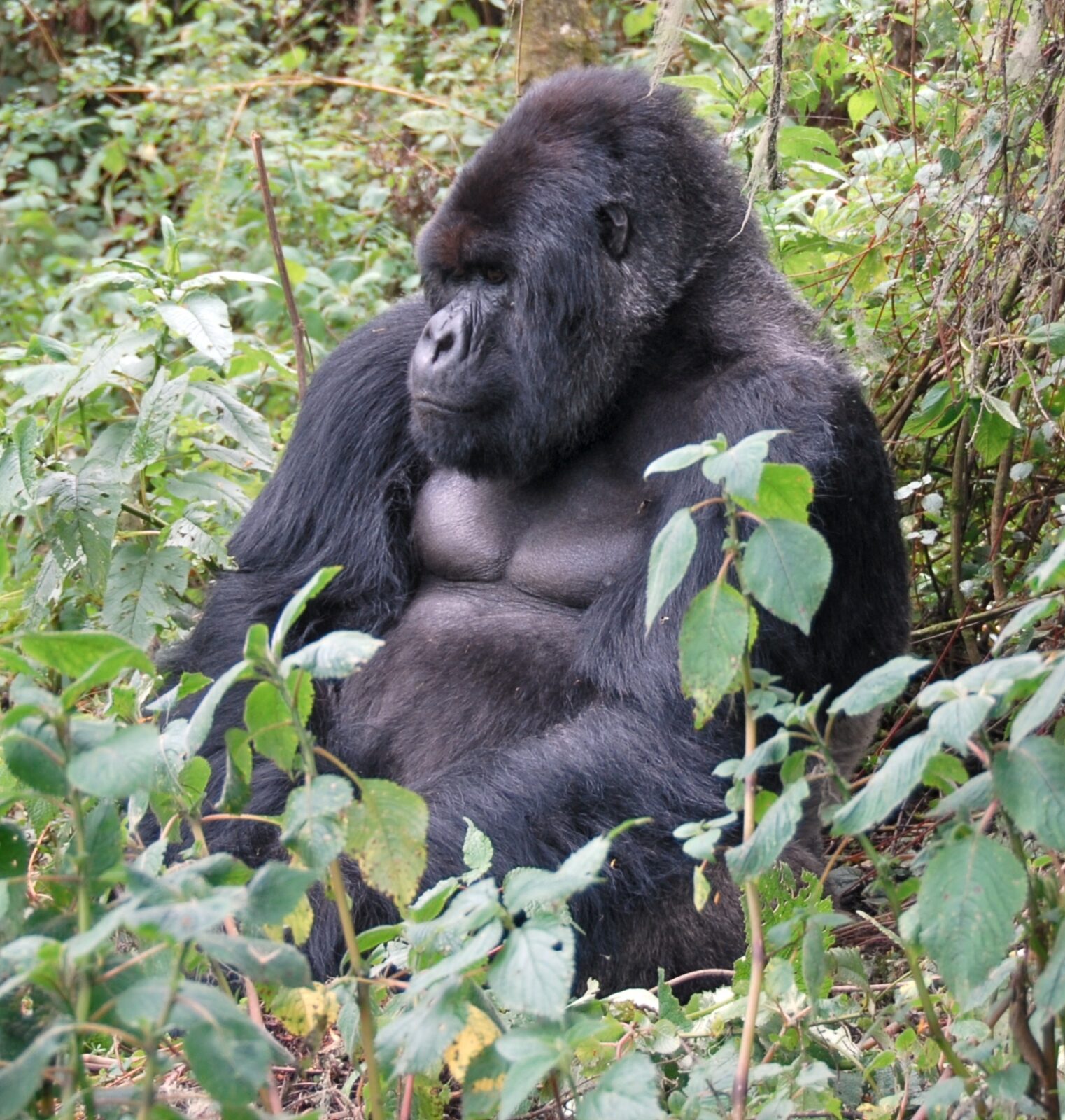
A milestone birthday deserves something that actually marks the occasion, rather than another dinner you’ll forget the details of within a year. A gorilla safari for a 60th birthday has become one of the more popular ways travellers choose to celebrate this particular milestone, and it’s worth understanding why it works so well for this specific age and stage of life, along with how to plan one properly.
Why This Milestone Suits This Trip Particularly Well
There’s also something about the scale and rarity of the experience itself that suits a milestone in a way a beach holiday or city break doesn’t quite match. Spending an hour with a wild gorilla family, in a forest that took over a century of conservation effort to protect, is the kind of experience people remember specifically, in detail, years later – which is exactly the quality you want from a trip built around marking sixty years.
Sixty tends to land at a genuinely good moment for this kind of travel – often past the most demanding years of career and childcare, with more flexibility in both time and budget than earlier decades typically allowed, while still comfortably fit enough for a full day of forest trekking with the right preparation. It’s also, frankly, a milestone people take seriously enough to justify the cost and effort a trip like this involves, in a way a routine birthday might not.
The Fitness Question, Answered Honestly
It’s worth being specific about what preparation actually looks like rather than leaving it vague. Regular walking, ideally on varied terrain including hills, for at least six to eight weeks before departure, builds the kind of stamina a flat gym treadmill routine doesn’t fully replicate. Adding a weighted daypack to some of those training walks, similar to what you’ll carry on trek day, further closes the gap between training and the real thing. None of this needs to be extreme – consistent, moderate preparation beats a sudden intense push in the final two weeks before travel.
Sixty is not a barrier to gorilla trekking, and trekkers well into their seventies complete this regularly. What matters is honest preparation rather than age itself – a few weeks of genuine walking practice beforehand, decent broken-in boots, and a realistic conversation with your operator about which sector suits your current fitness level. Porters are available at a modest daily fee to carry your bag and provide physical support over the more difficult sections, which is worth budgeting for as a matter of course rather than pride.
Choosing a Sector That Matches How You Want the Day to Feel
Bwindi’s Buhoma sector tends to offer gentler terrain than some of the more remote southern sectors, making it a sensible default for a milestone trip where you’d rather not spend the day pushed to your physical limit. Rwanda’s Volcanoes National Park sectors vary similarly in difficulty. Telling your operator plainly that this is a celebration trip, not an endurance test, helps them steer you toward a sector that lets you actually enjoy the day rather than survive it.
Making the Accommodation Part of the Celebration
This is where a milestone trip is worth spending a little more than you might on an ordinary holiday. A genuinely special lodge for at least one or two nights – a private deck overlooking the forest, a fireplace for the cold mountain evenings, food and service worth savouring after a physically full day – turns the trip from a trek with accommodation attached into an actual celebration. Many lodges near Bwindi and Volcanoes National Park will also arrange a small marker of the occasion, a cake or a special dinner setup, if you let them know in advance.
Who to Bring, and How That Changes the Trip
Some 60th-birthday trekkers travel as a couple, treating it as a shared milestone. Others bring adult children or close friends, turning it into a small group celebration. Both work well, though group size affects logistics – a larger party may need to think about whether everyone treks the same day and sector, or splits across different permits if fitness levels or interests vary meaningfully within the group.
Budgeting for a Trip That’s Meant to Feel Different
A rough way to think about this is separating your budget into two categories before your operator even sends a quote: the fixed costs every trekker pays regardless of budget level – the permit, basic transport, a functional place to sleep – and the discretionary layer where a milestone trip genuinely diverges from an ordinary one. Deciding in advance roughly how much of that discretionary layer you want to spend, and on what specifically, keeps the planning conversation focused rather than drifting toward whatever an operator happens to suggest first.
It’s reasonable to spend more on a milestone trip than you would on routine travel, but it’s worth being deliberate about where that extra budget actually goes rather than spreading it thinly across everything. A splurge on accommodation for the key nights, or a private vehicle for more comfortable transfers, tends to be felt more directly than a small uniform upgrade applied everywhere. Decide what “special” actually means to you before your operator starts quoting options.
Extending the Trip Beyond the Trek Itself
Many 60th-birthday trekkers combine the gorilla portion with a few additional days elsewhere – a wildlife safari in Queen Elizabeth National Park, a relaxed stay by Lake Bunyonyi, or a cultural visit near Bwindi. Since this is already a significant trip, extending it by a few days to properly unwind afterward, rather than trekking and flying straight home, is worth building into the itinerary from the start.
What a Typical Milestone Itinerary Actually Looks Like
A common pattern for a 60th-birthday trip runs somewhere between seven and twelve days: a night or two settling in near Entebbe or Kigali to recover from long-haul travel, a scenic drive to the park with stops along the way rather than a rushed direct transfer, two or three nights at your chosen lodge bracketing the trek itself, and time afterward either relaxing at the lodge or extending toward a second activity like a wildlife safari or a cultural visit. Building in that recovery time at both ends, rather than treating travel days as wasted time to get through quickly, changes how rested and present you actually feel on the day that matters most.
Some trekkers choose to mark the actual birthday date itself on the trek day, timing the trip specifically so the two coincide. Others prefer keeping the birthday for a quieter, more personal celebration at the lodge, with the trek falling on a different day of the trip entirely. Neither is more correct than the other – it comes down to whether you’d rather the day itself be about the adrenaline of the forest or a calmer, more reflective celebration.
A Few Small Touches That Make a Real Difference
Beyond the big decisions – sector, lodge, who to bring – a handful of smaller details tend to matter more than expected on a milestone trip. Telling your operator and lodge in advance that you’re celebrating a specific birthday often results in a genuinely thoughtful gesture, not just a generic one, since staff take the occasion seriously when they know about it ahead of time rather than discovering it in passing conversation. Bringing a small way to mark the moment yourself – a card from family who couldn’t join, a bottle saved for the occasion – adds a personal layer that the trip itself, however well organised, can’t fully provide on its own.
Frequently Asked Questions
Is 60 too old to start gorilla trekking for the first time?
No. Plenty of first-time trekkers are in their sixties, and with the right sector choice and honest fitness preparation, age alone is rarely the limiting factor.
Should we book a private trek group for a birthday celebration?
Not necessarily – a private group costs significantly more and doesn’t change the length or closeness of your encounter, only who else is in your group. The lodge and occasion touches matter more for how special the trip feels.
How far in advance should a milestone trip like this be planned?
Several months at minimum, particularly if you want a specific lodge or sector, since both permits and the best rooms at popular lodges book up well ahead of peak season.
What if part of the group can’t manage the physical trek?
It’s common on group celebration trips for not everyone to trek. Non-trekking companions can usually arrange alternative activities near the lodge, a shorter nature walk, or simply relax and join the celebration once the trekking group returns, rather than everyone needing to participate in the trek itself.
For planning the practical side of the trip, this guide to gorilla safaris for over 60s covers fitness and comfort considerations in more depth, while this look at special-occasion packages shows how lodges and operators handle celebration trips more broadly. This cost breakdown is worth reading before you set your milestone-trip budget.