
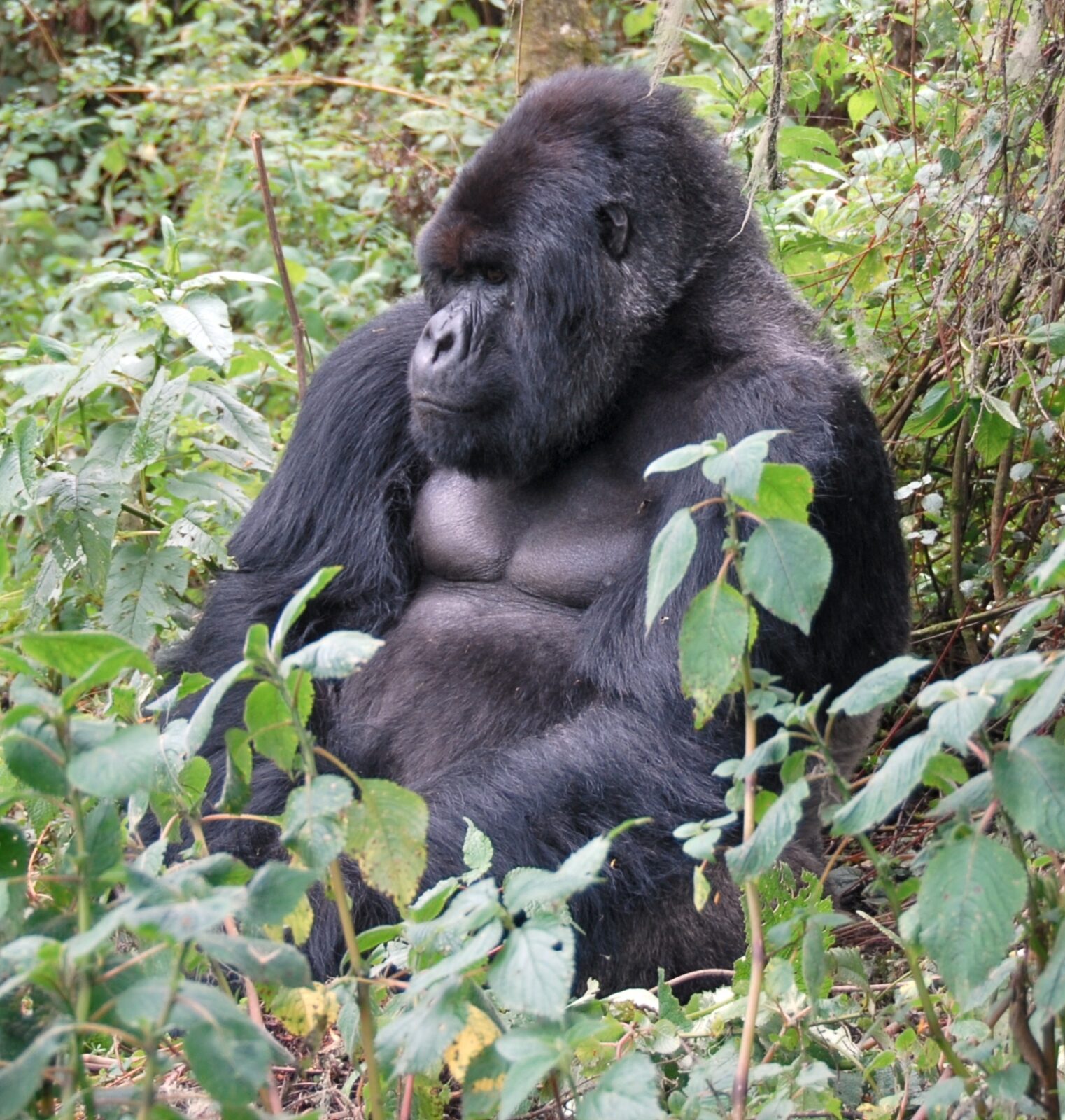
Nobody warns you about the flight home. Gorilla safari depression is a real, if rarely discussed, pattern trekkers describe after returning from Bwindi or the Virungas – a genuine flatness or low mood in the days and weeks following what was, by every measure, one of the most extraordinary experiences of their life. It’s worth understanding why this happens and that it’s a recognised, normal reaction, not a sign that something is wrong with you.
Operators and lodges rarely mention this in pre-trip material, understandably focused as they are on the excitement of the trip ahead rather than what might follow it. That gap in preparation is worth filling here, since knowing what to expect afterward is arguably as useful as knowing what to expect during the trek itself.
Why Coming Home Genuinely Feels Hard After This Specific Trip
It’s a pattern worth naming precisely because so few people expect it, and expectation matters here – a mood shift you understand as a normal, well-documented reaction feels considerably more manageable than one that arrives as a confusing surprise on top of ordinary post-travel adjustment. Simply knowing this is common, and roughly why it happens, seems to genuinely soften the experience for many trekkers.
Post-travel low mood isn’t unique to gorilla trekking, but several features of this particular experience seem to intensify it. The trip combines genuine physical achievement, a profound and rare wildlife encounter, and an environment about as far removed from ordinary daily life as travel gets. Returning to email, commuting, and routine after that combination of intensity creates a sharper contrast than most holidays produce, and that contrast itself is part of what makes the comedown feel so pronounced.
The Anticipation-to-Ordinary Gap
There’s a certain irony in this pattern that’s worth sitting with: the very thoroughness of your planning, the months of research and excitement that made the trip so meaningful in the first place, is part of what makes the return feel so flat by comparison. It’s not a flaw in how you prepared – it’s simply the natural cost of investing that much genuine anticipation into a single, finite experience.
Many trekkers spend months, sometimes years, planning and anticipating this specific trip, building it up as a genuine bucket-list moment. That extended anticipation phase means the actual trek, however remarkable, is followed by an equally real absence – there’s no longer a big trip to look forward to, no more research to do, no more countdown. Psychologists who study post-event letdown describe this pattern across many major life events, not just travel, but a trip this deliberately built-up seems to produce it with particular intensity.
Processing an Experience That Resists Easy Description
This communication gap is worth acknowledging honestly rather than forcing yourself to keep trying the same brief summary that clearly isn’t landing. Some trekkers find it easier to share specific, small details rather than attempting to summarise the whole experience – a particular sound, a specific moment, a single image – which tends to land better in conversation than a broad, necessarily inadequate overview.
Trekkers often struggle to adequately convey what the encounter actually felt like to people back home who weren’t there, and that gap between the depth of the experience and the flatness of trying to explain it in casual conversation can be genuinely isolating. “It was amazing” doesn’t capture an hour spent watching a wild gorilla family at close range, and the frustration of not being able to fully communicate that can compound the sense of loss once the trip itself has ended.
Physical Factors That Compound the Mood Shift
It’s worth separating this physical, resolvable component from the deeper emotional one when you’re trying to make sense of how you’re feeling in the days right after returning. Getting proper sleep, staying hydrated, and giving your body a genuine chance to recover from the trek and travel itself often lifts a meaningful portion of the low mood on its own, even before addressing anything more emotionally complex underneath it.
It’s worth acknowledging the practical, physical side of this too. Long-haul travel fatigue, jet lag, and the sheer physical exhaustion of the trek itself don’t resolve the moment you land back home – they linger for days, and tiredness genuinely affects mood regardless of what caused it. Some of what trekkers describe as post-trip depression is, at least partly, ordinary travel fatigue that would improve with rest regardless of the emotional significance of the trip.
What Actually Helps Most Trekkers Get Through It
None of these strategies are a guaranteed fix, and it’s worth trying a few rather than assuming one specific approach will work universally, since the reasons behind the low mood differ somewhat from person to person even when the general pattern looks similar from the outside.
Trekkers who’ve navigated this well tend to describe a few consistent strategies. Processing the experience actively – writing about it, organising photos thoughtfully rather than letting them sit unsorted, talking through it in detail with someone genuinely interested – seems to help more than trying to simply move on. Staying connected to the conservation story behind the trip, following updates on the specific family or park you visited, gives some trekkers an ongoing thread back to the experience rather than a hard, final ending. And planning, even loosely, toward a future trip, whether a return visit or a different destination entirely, gives some of that anticipation structure something to attach to again.
When It’s More Than a Passing Low
This distinction matters, and it’s worth taking seriously rather than either dismissing genuine concern too quickly or, conversely, over-pathologising an entirely normal adjustment period. Trust your own sense of whether what you’re feeling matches an expected, temporary dip or something that seems to be settling in more permanently.
For most trekkers, this feeling passes within days to a couple of weeks, fading naturally as ordinary life resumes its own rhythm and rewards. If a low mood persists significantly longer, or feels disproportionate to what a post-trip adjustment would normally involve, it’s worth treating it as you would any other persistent low mood – as something worth discussing with a doctor, rather than assuming it must be specifically travel-related simply because of its timing.
How This Genuinely Compares to Other Forms of Travel Letdown
Post-holiday blues are a widely recognised phenomenon on their own, but trekkers who’ve experienced both ordinary post-vacation letdown and this specific gorilla-trek version consistently describe the latter as noticeably more intense and longer-lasting. It’s worth taking that distinction seriously rather than assuming standard advice for getting over holiday blues will automatically apply at the same intensity here, given how much more emotionally significant this particular trip tends to be for the people who undertake it.
Talking to Fellow Trekkers Who Genuinely Understand
One strategy that repeat trekkers and gorilla trekking communities online consistently recommend is connecting with other people who’ve done this specific trip, rather than relying solely on friends and family who, however supportive, simply don’t have the shared reference point. Online forums and social media groups dedicated to gorilla trekking and East African travel often provide exactly this kind of community, where the specific texture of the experience doesn’t need lengthy explanation before being understood.
Why This Is Actually a Sign of a Genuine Experience
There’s a useful reframe worth sitting with: this particular kind of post-trip low is, in a real sense, evidence of how significant the experience was, not evidence that something went wrong. Trips that don’t matter much rarely produce this reaction. Trekkers who feel this pull afterward are, in an odd way, confirming that the trip delivered exactly what they hoped it would – something genuinely memorable enough to miss.
Frequently Asked Questions
Is this a recognised phenomenon, or just an individual reaction?
It fits within a broader, well-documented pattern of post-travel and post-major-event low mood that psychologists have studied across many contexts, not something unique or unusual to gorilla trekking specifically, even though trekkers describe it with striking, genuinely notable consistency.
How long does this typically last for most people who experience it?
For most people, days to a couple of weeks, gradually easing as ordinary routines and rewards resume. It’s worth giving yourself that adjustment window rather than expecting an immediate, seamless return to your normal baseline mood.
Does planning a return trip actually help, or is it just avoidance?
For many trekkers it genuinely helps, giving some structure and anticipation back to daily life rather than functioning as pure avoidance, though it’s worth being honest with yourself about which of the two it feels like in your own case as you plan it.
If you’re already thinking about a return visit, this beginner’s guide still applies to repeat trekkers planning their next trip, and this look at Rwanda’s gorilla population recovery is a good way to stay connected to the conservation story in the meantime, keeping some of that anticipation alive between now and your next trip.