
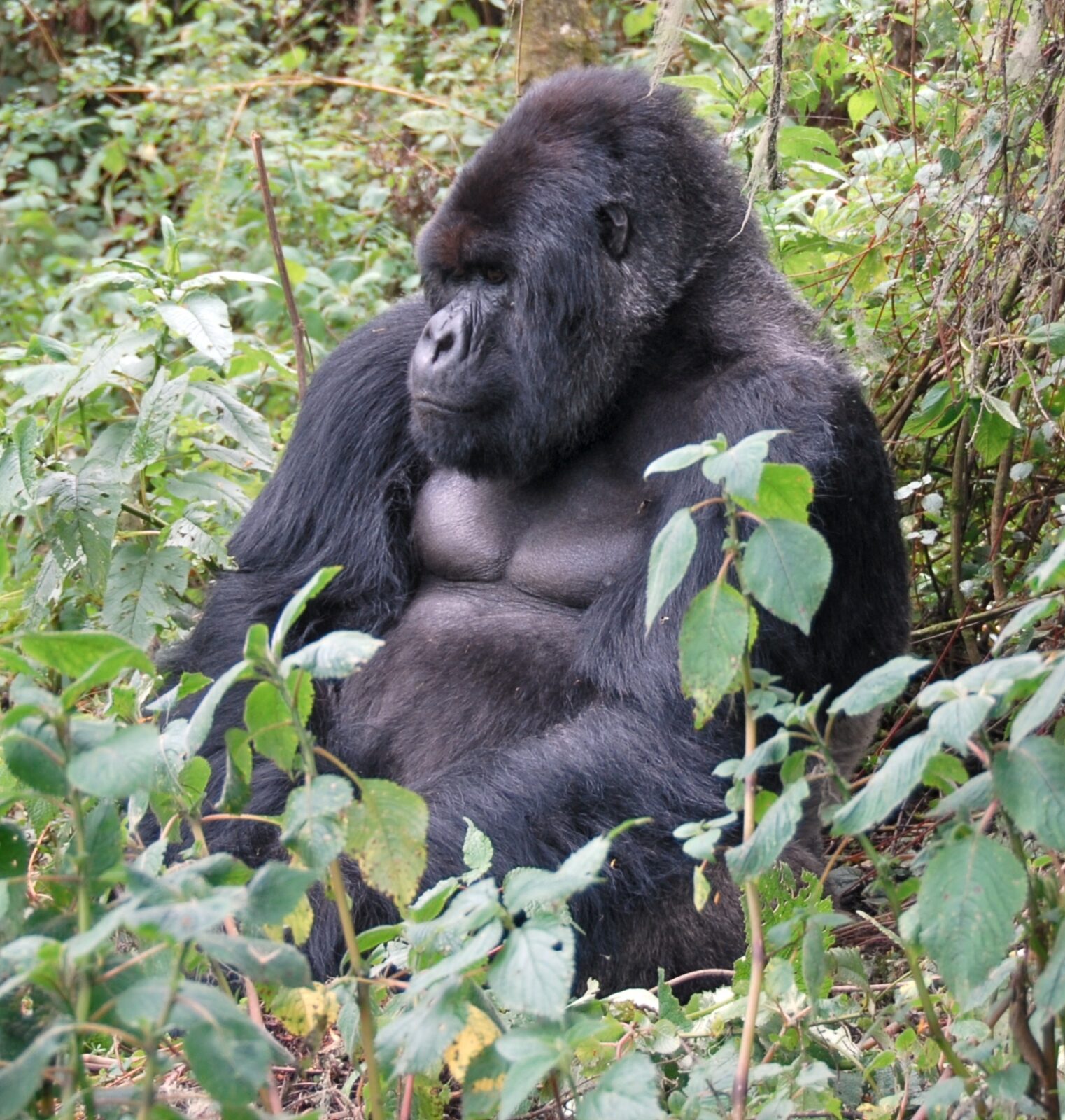
Return trekkers sometimes wonder, half-jokingly, whether a family they visited years earlier might somehow remember them. Can gorillas recognise individual tourists on repeat safaris is a genuinely interesting question once you dig past the charming idea into what’s actually known about gorilla cognition and memory.
It’s the kind of question that tends to come up naturally in conversation among trekkers comparing first and second visits, half-hoping for a sentimental answer and half-genuinely curious what the science actually says.
The Honest Scientific Answer
It’s worth being clear this isn’t a settled, exhaustively studied question with a definitive research consensus behind it – wild gorilla cognition specifically around tourist recognition simply hasn’t been the subject of dedicated formal study, so the honest answer draws on broader primate cognition research and observation rather than a specific study addressing this exact question directly.
There’s no solid evidence that gorillas distinguish between individual human tourists as separate, remembered people the way they clearly recognise individual members of their own family group and, over time, individual rangers and trackers who work with them regularly. The brief, one-hour, occasional nature of a typical tourist encounter simply doesn’t provide the kind of repeated, meaningful interaction that would support this sort of individual recognition forming.
What Gorillas Do Recognise Reliably
This within-species recognition is genuinely sophisticated – gorillas track complex social relationships, hierarchy, and history within and between neighbouring family groups over years, a cognitive load considerably more demanding than simply distinguishing one occasional human visitor from another.
Gorilla cognition research consistently shows strong recognition abilities within their own social world – individual family members, rival silverbacks from neighbouring groups, and, notably, familiar humans who interact with them consistently over extended periods. Rangers and trackers who work the same sector for years, appearing regularly and predictably, do seem to register as familiar within a gorilla family’s world in ways an occasional tourist simply doesn’t.
Why Rangers Are a Genuinely Different Case
The contrast here is instructive – it’s not that gorillas are incapable of recognising individual humans at all, it’s that the conditions required for that recognition to plausibly develop, namely frequent, consistent, extended contact, simply aren’t present in a typical tourist’s relationship with any given family.
Long-serving rangers and trackers interact with the same habituated families almost daily over years, following predictable patterns of appearance, behaviour, and voice. Some experienced guides describe subtle differences in how calmly a family responds to their approach compared to an unfamiliar new ranger, suggesting some level of familiarity recognition, distinct from the kind of individual tourist recognition the original question is really asking about.
What About Recognising Human Faces or Voices More Broadly?
Primates generally, including gorillas, do process and respond to human facial expressions and vocal tone in the moment quite effectively, which is part of why calm, quiet, non-threatening body language from trekkers genuinely helps a real-time encounter go smoothly, even without anything resembling long-term individual memory being involved.
Gorillas, like many primates, have generally capable visual processing and almost certainly can distinguish between broadly different humans in the moment, in the sense of noticing one person looks or sounds different from another. This is a different and much more limited claim than genuinely remembering and recognising one specific individual tourist across a gap of months or years between visits, which is what the popular version of this question usually implies.
Why the Idea Persists Despite Limited Evidence
Humans generally have a strong tendency toward this kind of anthropomorphising, projecting familiar social concepts like individual memory and recognition onto animals we’ve had a brief but emotionally significant encounter with, and there’s nothing wrong with the impulse even where the science doesn’t fully support the specific claim.
It’s an appealing, almost sentimental idea – the thought that a gorilla family might remember you specifically adds a layer of connection to an already profound experience. Some of this persists through anecdotal stories from repeat trekkers who felt a family seemed unusually calm or curious during a return visit, though this is more plausibly explained by general habituation to human presence and the specific circumstances of that particular day than genuine memory of a specific prior visitor.
What Repeat Trekkers Actually Experience
Even without individual recognition, returning trekkers consistently describe a genuinely different experience on a second or third visit – not because the gorillas remember them, but because the trekker themselves brings more context, less first-time nervousness, and a deeper appreciation for subtle behaviours they missed the first time around. The meaningful change happens in the trekker’s own perception and preparedness, not in the gorillas’ memory of a specific individual visitor.
What Research on Other Great Apes Suggests
Chimpanzees and orangutans, both studied more extensively in controlled research settings than wild mountain gorillas, have demonstrated genuine individual human recognition abilities under experimental conditions, remembering specific researchers and caretakers across gaps of months or even years in some documented cases. It’s reasonable to extrapolate that gorillas likely share similar underlying cognitive capacity, even without wild gorilla-specific research confirming it definitively, given how closely related and cognitively similar the great apes are to one another.
The gap, then, isn’t necessarily one of capability but of opportunity – a wild gorilla family simply doesn’t get the kind of repeated, individually distinguishable contact with any single tourist that captive research settings can deliberately engineer and study. This distinction matters for interpreting the question correctly: the honest answer is less “gorillas can’t do this” and more “the situation doesn’t provide what would be needed for it to happen with a tourist specifically.”
Frequently Asked Questions
Do gorillas recognise their own rangers by sight or by other cues?
Likely some combination of visual familiarity, consistent voice and behaviour patterns, and predictable scent, built up through frequent, regular contact over an extended period, rather than a single dominant sense driving the recognition.
Is there ongoing research into gorilla memory and recognition specifically?
Yes, primate cognition research continues to study memory and social recognition abilities across great ape species, including gorillas, though much of this research focuses on captive or research-station settings rather than wild tourism contexts specifically.
Should I expect a different experience on a repeat trek to the same family?
Yes, though the difference tends to come from your own more experienced perspective and attention to subtler details, rather than any change in how the gorilla family itself responds to your specific return presence.
For more on what makes a repeat visit worthwhile, this guide to gorilla behaviour and etiquette covers the broader picture of how gorillas perceive and respond to human presence during a trek.