
Kisoro, Buhoma, Nkuringo, Rushaga, and Mgahinga sit close enough together in Uganda’s southwest corner that they share one climate, not five separate ones. That means the “best time of year” question has essentially one honest answer for the whole area — but which sector you’re heading to still changes how much that answer actually matters to your trip.
This guide covers the shared seasonal calendar for the region, then breaks down how each specific sector’s terrain, infrastructure, and access interact with that calendar differently.
The Region’s Two Dry Seasons
Southwestern Uganda sees two drier windows each year, roughly December through February and June through August. These months bring the firmest trails and lowest rainfall across Mgahinga, Buhoma, Nkuringo, and Rushaga alike, along with the heaviest visitor demand and tightest accommodation availability of the year.
Why “Dry” Doesn’t Mean Rain-Free
Elevation and proximity to the Virunga volcanic range mean genuine rainfall stays possible even during the technically drier months. Treat “dry season” as meaningfully less rain rather than a guaranteed clear sky, and pack rain gear regardless of which month you travel.
The Region’s Two Rainy Seasons
March through May and September through November bring the heaviest rainfall across the whole area, with trails turning muddier and access roads occasionally more difficult everywhere from Kisoro town to the trailheads themselves. Visitor numbers and accommodation prices both ease noticeably during these months, which is where the real savings for flexible trekkers live.
How Buhoma’s Gentler Terrain Changes the Calculus
Buhoma’s comparatively gentle average terrain softens the seasonal difficulty swing more than steeper sectors manage. Rainy season here is still genuinely muddier than dry season, but it doesn’t compound into as dramatic a difficulty increase, making Buhoma worth considering specifically for trekkers who want rainy season’s cost and crowd advantages without the steepest possible terrain penalty. Its decades of tourism infrastructure also mean rangers and lodges are well practised at managing both peak and quiet periods smoothly.
Why Nkuringo’s Terrain Makes Timing Matter More
Nkuringo’s steep return climb from the forest floor is demanding even in ideal conditions, and rainy season’s mud adds real difficulty on top of that baseline. Trekkers considering Nkuringo specifically should weigh the season more carefully here than at gentler sectors — a dry-season booking meaningfully reduces the physical challenge on what’s already one of the tougher treks in the region.
How Rushaga’s Popularity Interacts With Season
Rushaga’s larger number of habituated families gives it comparatively strong availability even during dry season’s heaviest demand, though genuinely popular dates can still fill given the sector’s overall popularity. For trekkers whose main constraint is booking on shorter notice, Rushaga’s capacity advantage partly offsets dry season’s tighter availability elsewhere in the region.
Mgahinga’s Different Climate Rhythm
Mgahinga sits among volcanic peaks at the far southwestern edge of Uganda, giving it a genuinely different microclimate from the lower-altitude parts of the country, with cooler temperatures and its own weather patterns layered on top of the region’s broader dry and rainy windows. Trekkers heading specifically to Mgahinga should treat the shared regional calendar as a starting point rather than an exact match.
Kisoro’s Advantage as a Multi-Park Base
Because Kisoro town offers access to Mgahinga and both Nkuringo and Rushaga, seasonal timing here works slightly differently than for a single destination. An operator with current, real-time visibility across all three nearby options can route you toward whichever has the best trail conditions and availability for your specific dates, rather than locking you into one sector’s individual seasonal quirks — a genuinely useful flexibility during shoulder season especially.
Temperature and Altitude Across the Region
Elevation keeps mornings and evenings genuinely cool throughout this part of Uganda year-round, regardless of season. Trekkers expecting typical tropical warmth are often surprised by how cool conditions feel before sunrise. Mgahinga and Kisoro, sitting slightly higher than Buhoma, run a touch cooler still.
Packing for the Region by Season
Dry season still calls for basic rain protection given the area’s genuinely unpredictable highland microclimate. Rainy season demands a fuller kit — proper waterproof outerwear, gaiters or boot covers, and a dry bag for cameras and electronics all earn their place regardless of which specific sector you end up trekking. A good headlamp is worth carrying year-round given how early departures start.
Road Conditions Across the Region
Roads connecting Kisoro to Mgahinga and to Bwindi’s southern sectors can become genuinely more difficult during the rainy months, sometimes calling for a 4×4 where a standard vehicle would do during drier periods. Buhoma’s more established road network and infrastructure hold up somewhat better than the more remote southern sectors, but every route in the area gets harder when it rains hard.
Accommodation Pricing by Season
Across all five locations, accommodation prices climb during dry season’s peak demand and ease noticeably during quieter rainy months. Buhoma’s wide, well-established lodge range gives budget-conscious trekkers the most options during the off-peak months; Rushaga and Nkuringo’s growing but smaller markets offer real savings too, just from a narrower starting selection.
Building a Multi-Country or Multi-Park Circuit Around Season
Trekkers combining more than one nearby destination, or extending into Rwanda or Congo from a Kisoro base, benefit from planning around the shared regional dry season rather than researching each leg’s calendar separately — neighbouring countries follow broadly similar seasonal patterns, which considerably simplifies coordinated planning across a longer circuit.
Weighing Cost, Crowds, and Weather
Dry season brings the most reliable trekking conditions across the whole region, along with the highest accommodation demand and pricing. Rainy season flips that trade-off toward genuine savings and quieter trails in exchange for wetter, sometimes tougher conditions. Neither is objectively correct — the right choice depends on which sector you’re headed to and what matters most for your specific trip.
Photography and Light Across the Region by Season
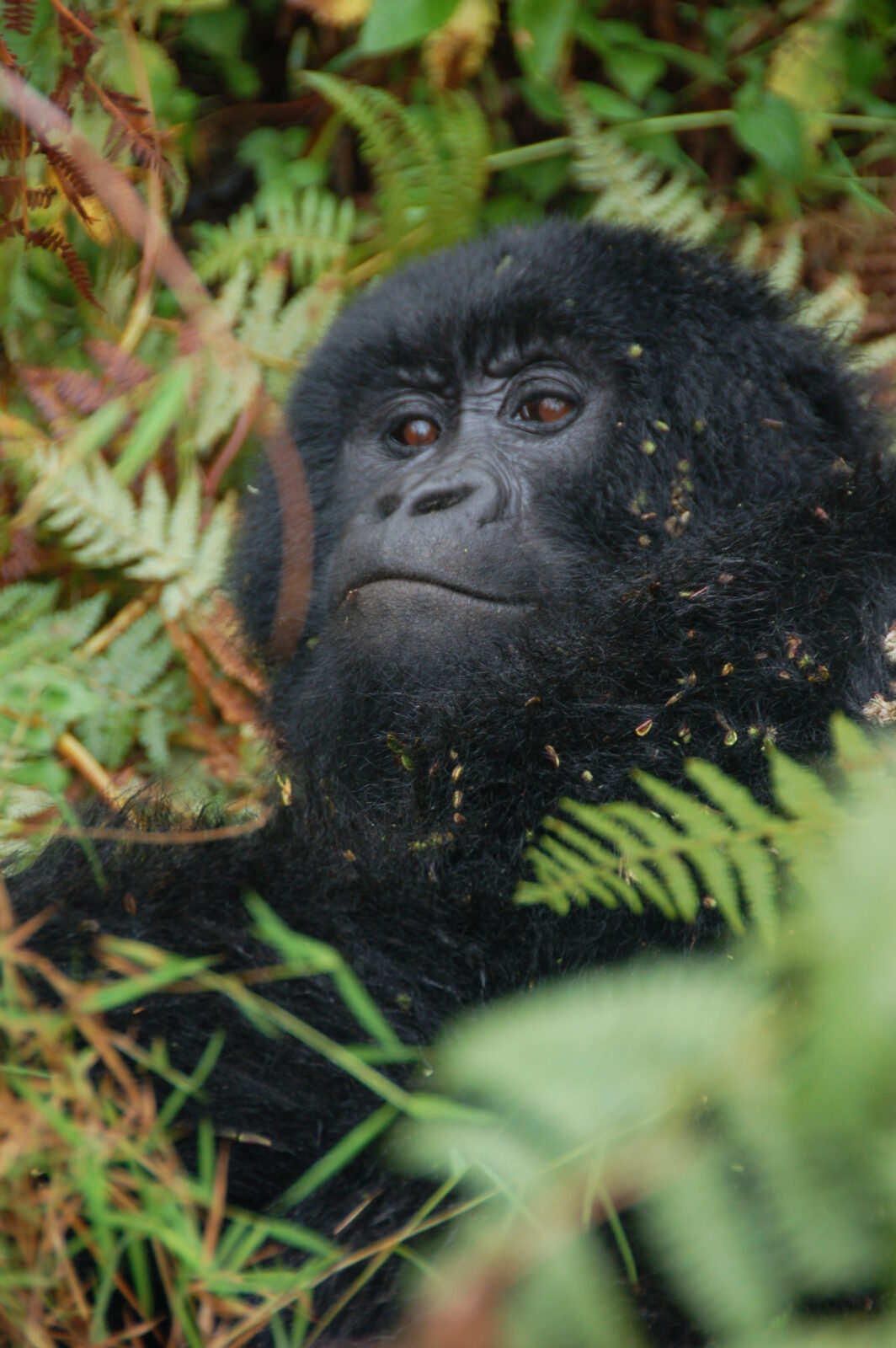
Rainy season’s overcast skies actually suit forest photography better than many trekkers expect, diffusing harsh midday light and reducing the deep shadow-and-glare contrast that direct tropical sun creates under a thick canopy. Dry season brings clearer conditions for wider landscape shots, especially from Nkuringo’s ridge-top views over the Virunga volcanoes, but the gorillas themselves often photograph more evenly under rainy season’s softer light. Neither season is a clear photographic winner across the board — it depends more on whether you’re prioritising forest close-ups or open scenery shots.
How Group Composition Interacts With Season Here
Mixed-fitness groups generally do best steering toward Buhoma regardless of season, since its gentler terrain holds up better across the full calendar than Nkuringo’s steeper trails or Mgahinga’s volcanic slopes. Groups confident in their fitness and specifically chasing dramatic scenery are better served by Nkuringo in dry season, when firmer footing takes some of the edge off an already demanding climb.
Choosing a Sector When Season Is Your Main Priority
If your travel dates are fixed and season isn’t something you can plan around, let that fixed timing help choose your sector rather than the other way round. A rainy-season trip pairs more comfortably with Buhoma’s gentler, better-buffered terrain; a dry-season trip opens up Nkuringo or Mgahinga’s more demanding but rewarding options without adding weather-driven difficulty on top of what’s already a harder trek.
Frequently Asked Questions
Does the best season really apply equally across Buhoma, Nkuringo, Rushaga, Mgahinga, and Kisoro?
The underlying dry and rainy windows are shared regionally, yes, but how much that timing matters differs by sector — it affects Nkuringo’s already-steep terrain more than Buhoma’s gentler trails, for instance.
Is rainy season worth considering at any of these locations?
Often yes, especially at Buhoma, where gentler terrain softens the typical difficulty increase, and for budget-conscious trekkers anywhere in the region willing to prepare properly for mud and rain.
Should I pack differently depending on which specific sector I’m visiting?
The core kit stays the same throughout the region, but add extra consideration for Nkuringo and Mgahinga’s steeper, higher-altitude terrain, where good boots and trekking poles matter even more.
Is dry season worth booking further ahead regardless of sector?
Yes — demand peaks simultaneously across the whole region during dry season, so early booking matters at every one of these locations, though Rushaga’s larger family count gives it comparatively better last-minute odds.
Can an operator help me pick the best sector and season together?
Yes, and this is one of the genuine advantages of booking through an operator with real-time visibility across Mgahinga, Nkuringo, and Rushaga specifically — they can match current trail conditions to your travel dates rather than you guessing in advance.
Is there a single best month across the whole region?
Late June through July and January are often singled out within the dry windows, though conditions vary year to year, so confirming current specifics with a licensed operator close to your travel dates is always worth doing.
Plan the Rest of Your Trip
For the permit picture once you’ve settled on your travel dates, this Buhoma permit cost guide, this Nkuringo permit cost guide, and this Rushaga permit cost guide all cover the fixed fee that applies regardless of season. For a deeper look at Kisoro itself, this Kisoro town guide is a useful next read, and this seasonal pricing guide rounds out your planning.