
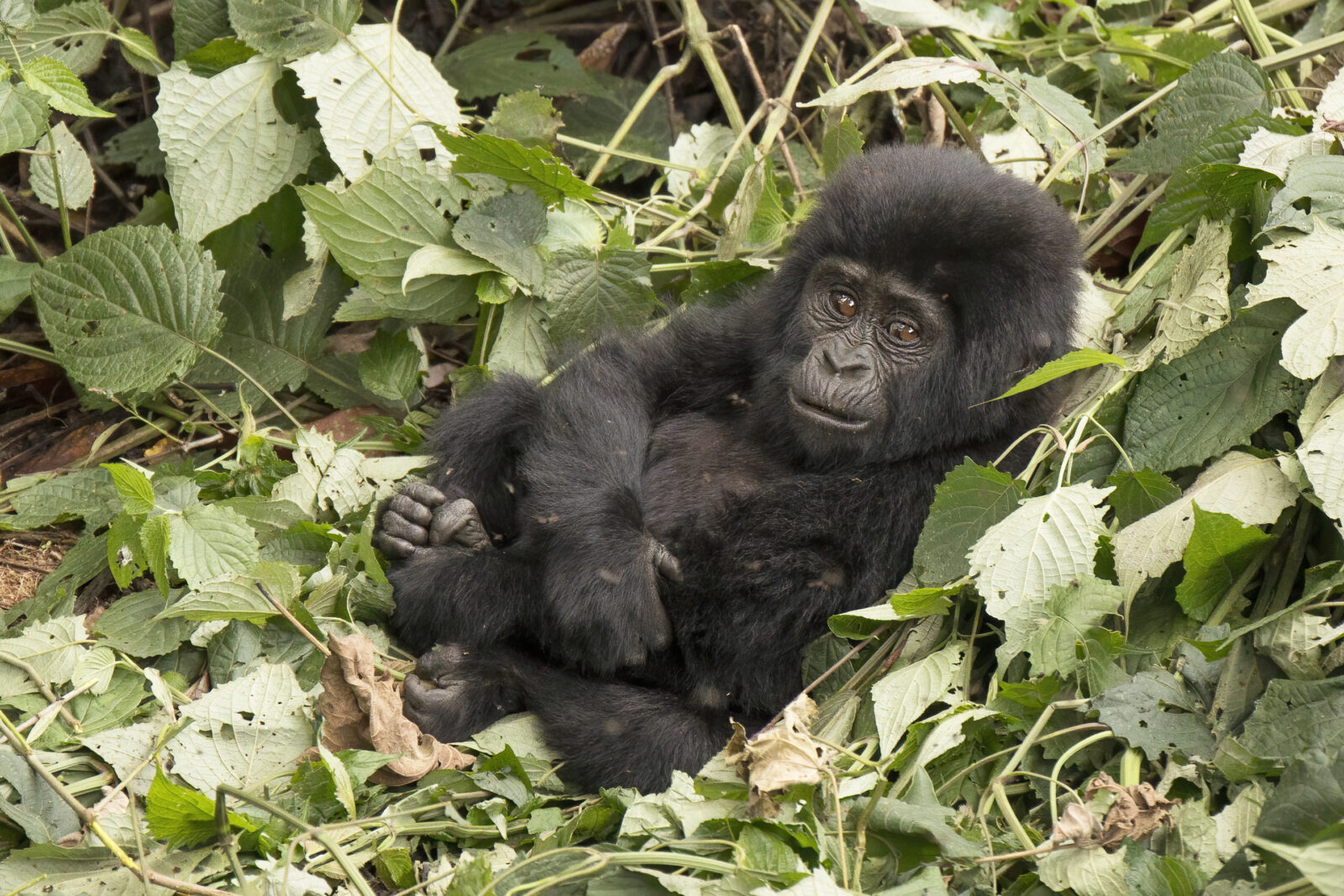
Rushaga has quietly become one of Bwindi Impenetrable National Park’s most popular sectors, largely because it offers the widest choice of habituated gorilla families anywhere in the park. How much does a gorilla permit cost in Rushaga is a question worth answering precisely, alongside the genuinely useful context of why this particular sector has grown so popular and what that means for your booking.
This guide covers the standard fee, Rushaga’s distinctive advantages as a sector, and the realistic full trip budget once you look beyond the permit price alone.
The Standard Permit Fee
Rushaga’s permit follows Uganda Wildlife Authority’s single national Bwindi Impenetrable National Park price, identical to Buhoma, Ruhija, and Nkuringo. Priced in US dollars and reviewed periodically, it’s worth confirming the exact current figure with a licensed operator or UWA at the time of booking, since published prices online can lag behind reality by months or years.
Foreign residents and East African Community citizens pay reduced tiers under the same national structure that applies across every Bwindi sector, Rushaga included.
Why Rushaga Doesn’t Cost More Despite Having the Most Families
It would be reasonable to assume that Rushaga, with its unusually large number of habituated families available for trekking, might command a premium price given the greater choice on offer. It doesn’t — permit price is set at the national park level regardless of sector, and regardless of how many specific gorilla families a given sector happens to host. Rushaga’s advantage is choice and flexibility, not a different pricing tier.
Rushaga’s Recent Growth Within Bwindi
Rushaga has expanded its number of habituated families more than any other Bwindi sector over recent years, a deliberate part of UWA’s broader strategy to spread trekking demand more evenly across the park rather than concentrating pressure on a smaller set of long-established families elsewhere. This ongoing expansion is a direct reason Rushaga’s availability advantage has grown even further relative to other sectors in recent booking seasons.
Why Rushaga Attracts So Many Trekkers
Rushaga hosts more habituated gorilla families than any other single Bwindi sector, which translates directly into more available daily permit slots and meaningfully better odds of securing a booking on relatively short notice compared to sectors with fewer families. For trekkers with less flexible travel dates, or those booking closer to their travel window than ideal, Rushaga is often the sector an experienced operator will suggest first precisely because of this availability advantage.
Rushaga is also the sector that hosts Uganda’s gorilla habituation experience, giving trekkers specifically interested in that longer, more research-oriented encounter a natural home base for it.
What the Fee Actually Covers
Your standard Rushaga permit covers a reserved slot with one specific habituated family on a specific date, park entry for that day, and your ranger guide and tracking team. It does not cover transport to Rushaga, accommodation, meals, porters, or tips — all separate costs to budget for alongside the permit itself rather than assume are bundled in.
Standard Trekking Versus Habituation Experience Pricing at Rushaga
Because Rushaga is where Uganda’s habituation experience permits are based, it’s worth understanding clearly that this is a genuinely separate, higher-priced product from the standard one-hour trekking permit — offering up to four hours with a family still becoming accustomed to human presence, alongside the research team working with that family. Trekkers choosing Rushaga specifically for this experience should budget for the habituation permit’s higher price, not the standard trekking fee.
What Funds the Fee
Ranger salaries, anti-poaching patrols, veterinary monitoring across Rushaga’s several habituated families, and community revenue-sharing with villages along Bwindi’s southern boundary are all funded through permit revenue, the same structure applied park-wide. Managing multiple habituated families within one sector, as Rushaga does, represents a meaningful ongoing conservation and monitoring commitment that this shared national pricing structure helps fund.
Reaching Rushaga
Rushaga is generally reached via Kisoro or Kabale, similar to Nkuringo, and sits in Bwindi’s southern cluster of sectors rather than near the more centrally located Buhoma. Road conditions have improved considerably over recent years, making Rushaga meaningfully more accessible than it once was, though it’s still worth budgeting realistic travel time from wherever your itinerary starts.
What Else You’ll Spend Alongside the Permit
A growing number of well-regarded lodges now operate directly around Rushaga, reflecting the sector’s rising popularity, spanning a range from comfortable mid-range options to more upscale properties. Transport, a porter for the trek, and tips for your ranger and tracking team add to the permit fee as part of a realistic full-day budget — treating the permit as roughly a third to half of your total cost, once these other elements are included, sets more accurate expectations.
What a Trekking Day at Rushaga Involves
Trekkers gather at the sector headquarters early in the morning for a briefing on etiquette and safety, before being allocated to one of Rushaga’s several habituated families and setting off with a ranger and tracking team. Because Rushaga hosts multiple families across a range of locations, trek duration and terrain difficulty vary meaningfully by which specific family your group is assigned to that day, something worth keeping in mind when weighing your own fitness level against the sector’s overall reputation for moderate difficulty.
Choosing a Specific Family Within Rushaga
Some operators can advise, based on recent tracking reports, which of Rushaga’s families tend to range closer to the trailhead versus further into the forest, though final assignment on the day itself is made by park authorities rather than guaranteed in advance. Trekkers with specific fitness concerns or strong preferences are still better served raising them with their operator ahead of time, even without a guarantee, since it helps set realistic expectations.
Booking Rushaga With Confidence Given Its Popularity
Rushaga’s popularity cuts both ways — greater family choice and availability, but also genuinely high demand during peak season that can still fill up faster than less-visited sectors despite the larger number of daily slots. Booking through an experienced operator who tracks real-time availability across Rushaga’s several families, rather than assuming a slot will simply be there, remains worth doing regardless of the sector’s relatively strong availability compared to Mgahinga or Nkuringo.
Rushaga’s Growing Lodge Scene
The steady rise in Rushaga’s popularity over recent years has driven genuine investment in nearby accommodation, and the sector now offers a noticeably wider range of quality options than it did in Bwindi’s earlier tourism years, when Buhoma held a near-monopoly on well-developed lodges. This shift has made Rushaga a genuinely practical standalone base rather than simply an overflow option when Buhoma is fully booked, which was closer to the reality a decade ago.
This growth has also meant more competitive pricing on the accommodation side specifically, even though the permit price itself remains fixed nationally — a useful distinction to keep in mind when a quote for a Rushaga-based trip looks meaningfully cheaper than one for Buhoma, since that difference is coming entirely from lodging and logistics choices, not the permit.
Frequently Asked Questions
Is Rushaga’s permit price higher because it has more families?
No — the number of habituated families in a sector doesn’t affect the national permit price, which is set uniformly across all of Bwindi regardless of sector.
Is Rushaga easier to book than other Bwindi sectors?
Generally yes, given its larger number of habituated families and correspondingly higher daily permit availability, though popular season dates can still fill up given the sector’s overall popularity.
Is the habituation experience only available at Rushaga?
Rushaga is the primary and most established base for Uganda’s gorilla habituation experience, making it the natural choice for trekkers specifically seeking that longer, more research-oriented encounter.
How does Rushaga’s terrain compare to Nkuringo’s?
Rushaga is generally considered somewhat gentler than Nkuringo overall, though terrain still varies considerably by which specific gorilla family you’re assigned to trek to on the day.
Can I request a specific gorilla family in Rushaga?
Preferences can be noted with your operator in advance, but final family assignment is made by park authorities on the day, so it’s worth treating any specific request as a preference rather than a guarantee.
Is Rushaga a good choice if I’m booking on relatively short notice?
Often yes — Rushaga’s larger number of habituated families generally gives it better last-minute availability than sectors with fewer families, though this isn’t guaranteed during genuinely peak-demand periods.
Does Rushaga’s growing popularity make it more crowded on the trail?
Group sizes per gorilla family remain strictly capped by park regulation regardless of the sector’s overall popularity, so your own individual trekking group size stays small and genuinely controlled even as Rushaga’s total visitor numbers have steadily grown over recent years.
Plan the Rest of Your Trip
For the complete national picture of Uganda trekking costs, this full cost breakdown is worth reading, alongside this step-by-step Uganda permit booking guide. If Rushaga’s habituation experience interests you specifically, it’s worth researching that permit type in more depth before booking, and this Rwanda versus Uganda comparison is a useful next read if you’re still weighing destinations.