
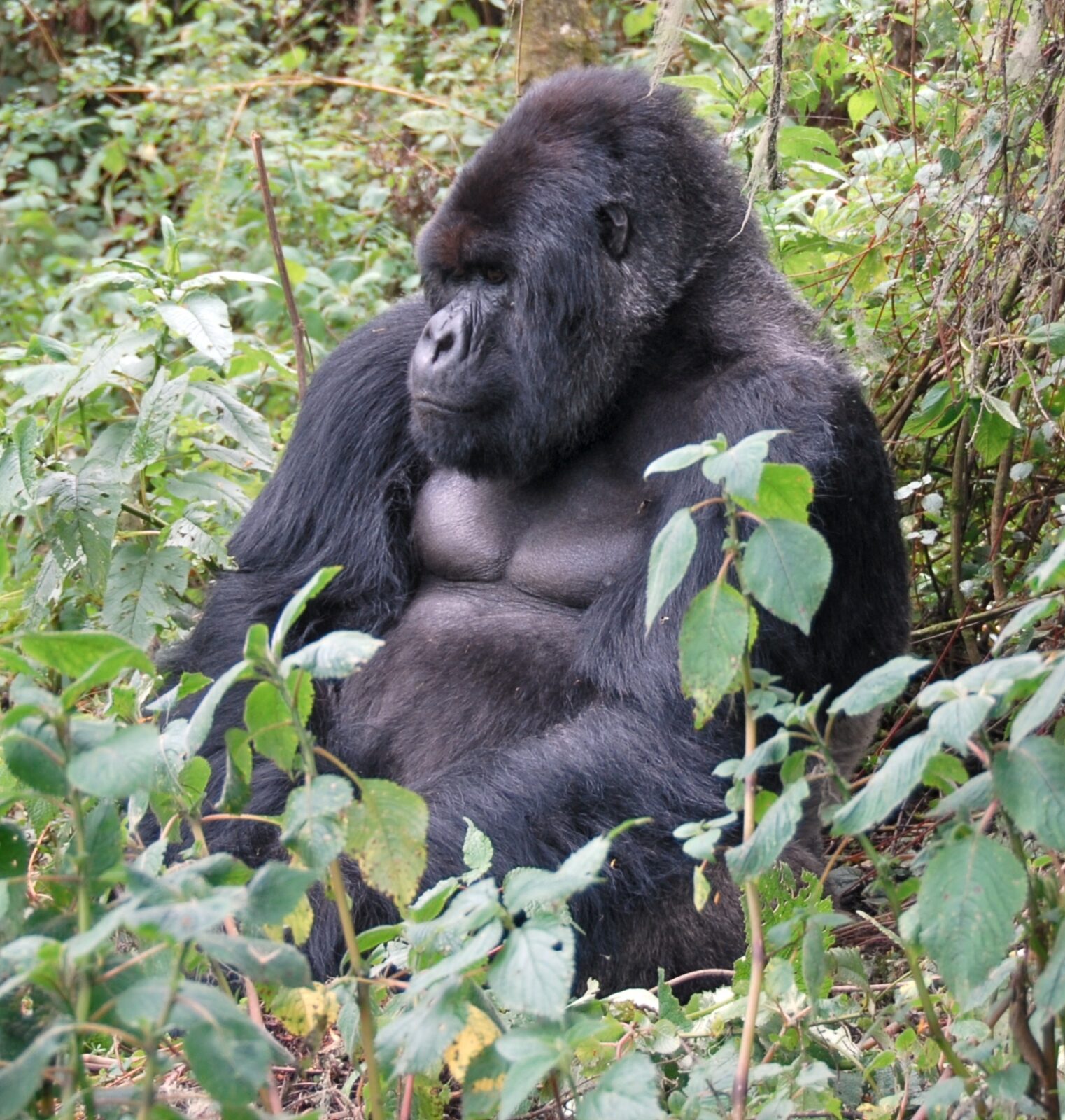
Binoculars occupy a genuinely uncertain place on gorilla trekking packing lists, since the activity’s defining moment happens at remarkably close range, leaving many trekkers wondering whether this typically-essential safari item actually earns its pack space here. Should I bring my own binoculars for gorilla trekking deserves a specific, honest answer grounded in what you’ll actually use them for during this particular activity.
This guide covers when binoculars genuinely help during gorilla trekking, when they don’t, and how to decide whether they’re worth the extra pack weight for your specific trip.
Why This Question Genuinely Differs From General Safari Advice
Standard safari packing advice near-universally recommends binoculars, but gorilla trekking’s defining close-range encounter – often within just a few meters of the gorilla family – genuinely changes this calculation compared to typical game-drive wildlife viewing at greater distances.
The Short Answer: Less Critical for Gorillas Specifically, Still Useful for the Broader Trip
Binoculars aren’t genuinely essential for the gorilla viewing hour itself, given how close you’ll actually be to the family, but they remain worth packing if your broader trip includes other wildlife viewing activities where distance genuinely matters more.
Why Gorilla Viewing Distance Makes Binoculars Less Necessary
Park regulations typically maintain a minimum viewing distance from gorillas, but in practice, habituated families often approach considerably closer, meaning the actual viewing experience happens at a range where binoculars offer minimal genuine additional benefit compared to naked-eye observation.
What You Might Actually Use Binoculars for During Trekking
Beyond the gorilla family itself, binoculars genuinely help with spotting other forest wildlife during your trek – birds, monkeys, or other primates glimpsed at greater distance through the canopy – worth considering this secondary use case when deciding whether to pack them.
Why Combining Trips Genuinely Changes the Calculation
Trekkers combining gorilla trekking with a broader East Africa safari itinerary, including game drives in parks with more typical viewing distances, genuinely benefit from bringing binoculars for the trip’s other components even if the gorilla trek itself doesn’t require them.
How Golden Monkey Tracking Changes the Binoculars Calculation
Golden monkey tracking, often combined with gorilla trekking in the same region, sometimes involves somewhat greater viewing distances than gorilla trekking specifically, making binoculars genuinely more useful for this particular activity if it’s part of your itinerary.
Why Bird-Watching Specifically Changes the Recommendation
Trekkers with any interest in bird-watching, particularly at destinations like Ruhija known for exceptional avian diversity, genuinely benefit from binoculars given birds’ typically smaller size and greater viewing distance compared to gorillas – worth packing them specifically for this secondary interest.
What Weight and Pack Space Considerations Actually Matter
Given gorilla trekking’s genuine physical demands, adding binoculars’ extra weight to your day pack is worth weighing honestly against how much you’ll actually use them – a compact, lightweight pair minimizes this trade-off if you do decide to bring them.
Why Some Trekkers Rent or Borrow Binoculars Instead
Some lodges genuinely offer binoculars for guest use, worth asking about directly if you’re uncertain whether purchasing your own dedicated pair makes sense for a trip where they play a genuinely secondary role.
What Type of Binoculars Work Best If You Do Bring Them
Compact, lightweight binoculars with moderate magnification, rather than heavy, high-powered models designed for distant viewing, genuinely suit gorilla trekking’s mixed close-range and forest-canopy use cases better than specialized long-distance equipment.
How Photography Priorities Might Outweigh Binoculars Entirely
Trekkers primarily focused on photography sometimes find their camera’s zoom lens serves double-duty for closer wildlife spotting, making dedicated binoculars feel genuinely redundant given limited pack space and the trek’s specific viewing conditions.
Why Chimpanzee Trekking Genuinely Changes the Binoculars Calculation
Trekkers combining gorilla trekking with chimpanzee tracking, often available at nearby destinations within the same broader trip, should genuinely pack binoculars given chimpanzees’ more active, tree-dwelling behavior and typically greater viewing distances compared to ground-dwelling gorilla families.
How Binoculars Help During the Approach Before You Reach the Gorillas
Before your guide’s tracker actually locates the gorilla family, the earlier portion of your trek genuinely offers opportunities to spot forest wildlife at greater distance through the canopy, worth having binoculars accessible for this specific window even if you set them aside once the close-range viewing hour begins.
Why Some Guides Carry Binoculars for the Whole Group’s Use
Some tour operators genuinely provide binoculars as a shared group resource during treks, worth asking your specific operator about this option directly rather than assuming you need to bring your own if group-shared equipment is already available.
What Weight-Conscious Trekkers Should Consider Instead
Given gorilla trekking’s genuine physical demands, weight-conscious trekkers sometimes choose compact monocular alternatives over full binoculars, offering similar magnification benefits at meaningfully reduced weight and pack space – worth considering this alternative if minimizing pack weight is a real priority.
How Binoculars Compare to Your Phone’s Camera Zoom
Modern smartphone cameras with digital zoom sometimes offer a genuinely adequate alternative to dedicated binoculars for casual wildlife spotting, though image quality at extended digital zoom levels remains meaningfully inferior to actual optical magnification through real binoculars.
Why Binoculars Matter More for Multi-Day Forest Walks
Trekkers adding a dedicated forest walk or nature hike beyond the gorilla trek itself, common at destinations like Ruhija or Buhoma, genuinely benefit from binoculars given these activities’ greater focus on broader wildlife spotting rather than a single close-range primate encounter.
Final Thoughts on Deciding Whether You Need Binoculars
Binoculars genuinely earn variable priority depending on your specific trip – less essential for the gorilla viewing hour itself, but worth packing if your broader itinerary includes other wildlife viewing, bird-watching, or golden monkey tracking where distance genuinely matters more.
Why Sharing Binoculars Within Your Own Group Can Work Well
Trekkers traveling with family or friends genuinely don’t all need individually owned binoculars – sharing a single pair or two within your group, passed around during moments where they’re actually useful, reduces overall pack weight across the whole group while still providing genuine access whenever needed.
Why It’s Worth Deciding Before You Pack, Not During Your Trek
Making a genuine decision about binoculars before you finish packing, based honestly on your specific itinerary’s other activities, avoids the common last-minute scramble of tossing them in “just in case” without weighing the real trade-off against pack weight and space on a trek that already demands careful gear discipline.
Frequently Asked Questions
Do I need binoculars specifically for the gorilla viewing hour?
Not really – the close viewing distance means binoculars offer minimal additional benefit compared to naked-eye observation during this specific activity.
Should I bring binoculars if I’m combining gorilla trekking with a broader safari?
Genuinely worth it – game drives and other wildlife viewing components of a broader itinerary benefit more from binoculars than the gorilla trek alone.
Does golden monkey tracking require binoculars more than gorilla trekking?
Sometimes, yes – it can involve somewhat greater viewing distances, making binoculars more genuinely useful for this specific activity.
Are binoculars worth it for bird-watching during my trip?
Definitely, yes – particularly at destinations like Ruhija known for exceptional bird diversity, where smaller size and distance genuinely matter more.
Can I rent binoculars instead of buying my own?
Some lodges genuinely offer this for guest use, worth asking about directly if you’re uncertain about purchasing dedicated equipment.
What type of binoculars work best for this specific trip?
Compact, lightweight models with moderate magnification suit gorilla trekking’s mixed close-range and forest-canopy viewing better than heavy, high-powered ones.
Does my camera’s zoom lens make binoculars unnecessary?
For some photography-focused trekkers, yes – their zoom lens serves double-duty, making dedicated binoculars feel genuinely redundant.
Should I worry about binoculars adding extra pack weight?
Worth weighing honestly against actual use – a compact, lightweight pair minimizes this trade-off if you do decide to bring them.
Do standard safari packing lists apply directly to gorilla trekking?
Not entirely – gorilla trekking’s close-range viewing genuinely differs from typical game-drive wildlife viewing at greater distances.
Is it a mistake to skip binoculars entirely for a gorilla-only trip?
Not necessarily a mistake – if your trip is purely focused on gorilla trekking without other wildlife components, they’re genuinely less critical.
Should I bring binoculars for chimpanzee tracking too?
Genuinely worth it – chimpanzees’ more active, tree-dwelling behavior and greater viewing distances make binoculars considerably more useful than for gorillas alone.
Are monoculars a good lightweight alternative to full binoculars?
Worth considering – they offer similar magnification benefits at meaningfully reduced weight and pack space for weight-conscious trekkers.
Does my phone’s zoom camera work as a binoculars substitute?
Somewhat, for casual use, though image quality at extended digital zoom remains meaningfully inferior to real optical magnification.
Should everyone in my group bring their own binoculars?
Not necessarily – sharing a pair or two within your group reduces overall pack weight while still providing access when genuinely needed.
Plan the Rest of Your Trip
For the full packing picture, this complete packing checklist is worth reading, alongside this photography gear guide. For further planning, this day pack guide is a useful next read, and this Ruhija fitness guide covers a destination known for its bird-watching.