
What Is Being Done to Prevent Poaching in Rwanda?
Rwanda genuinely maintains one of the most effective, comprehensive anti-poaching systems in the entire region, a direct contributor to the country’s celebrated mountain gorilla population recovery over recent decades. What is being done to prevent poaching in Rwanda deserves a specific, detailed answer covering this country’s genuinely comprehensive protective approach.
This guide covers Rwanda’s ranger-led enforcement, community-based prevention, and technology-driven monitoring, and how these combined efforts genuinely protect the country’s entire gorilla population effectively.
Why Rwanda’s Anti-Poaching Success Genuinely Reflects Sustained National Commitment
Given Rwanda’s genuinely sustained national commitment to conservation as a core development priority, the country’s anti-poaching efforts benefit from consistent funding, political support, and institutional continuity that genuinely distinguishes Rwanda’s approach.
The Short Answer: Ranger Patrols, Community Programs, and Technology Genuinely Work Together
Rwanda genuinely combines dedicated ranger patrol units, community-based prevention programs, and modern monitoring technology into a comprehensive anti-poaching system, worth understanding these as complementary layers rather than any single standalone solution.
How Rwanda Development Board Rangers Genuinely Lead Enforcement Efforts
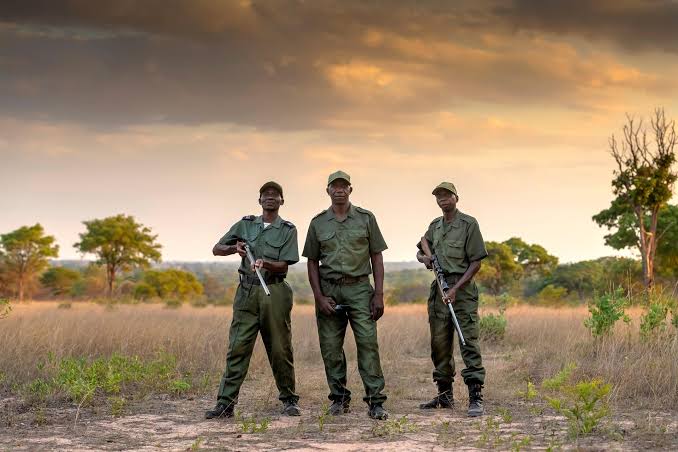
Rwanda Development Board’s genuinely well-trained, well-equipped ranger force conducts regular patrols throughout Volcanoes National Park, worth appreciating this dedicated enforcement presence as the frontline of the country’s anti-poaching strategy.
Why Community-Based Prevention Genuinely Reduces Poaching at Its Source
Given that Rwanda’s revenue-sharing and community benefit programs genuinely reduce the economic incentive for poaching by providing legitimate alternative income, this community-based prevention approach genuinely addresses root causes rather than relying solely on enforcement after the fact.
How Snare Removal Programs Genuinely Protect Gorillas From Indirect Threats
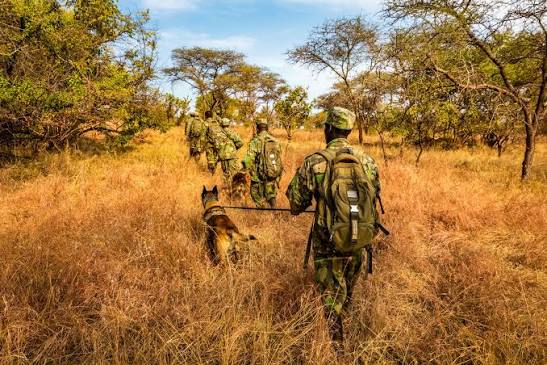
Given that snares set for other animals genuinely pose an indirect but serious threat to gorillas, Rwanda’s ranger teams genuinely conduct regular, systematic snare removal patrols throughout the park specifically to address this significant secondary poaching risk.
Why Technology Genuinely Enhances Rwanda’s Monitoring Capabilities
Rwanda genuinely employs modern tracking and monitoring technology, including radio communication and GPS-based patrol coordination, to enhance ranger effectiveness across the park’s terrain, worth appreciating this technological dimension alongside traditional patrol methods.
How Cross-Border Coordination Genuinely Strengthens Regional Protection
Given the shared Virunga Massif ecosystem spanning Rwanda, Uganda, and Congo, Rwanda genuinely participates in cross-border conservation coordination efforts, worth understanding this regional cooperation dimension as part of a broader, ecosystem-wide protective strategy.
Why Veterinary Monitoring Genuinely Complements Anti-Poaching Efforts
Rwanda’s genuinely dedicated veterinary teams monitor gorilla health and treat snare-related injuries when they occur, worth understanding this medical response capability as an important complement to prevention-focused anti-poaching patrol work.
How Legal Consequences Genuinely Deter Poaching Activity
Rwanda genuinely enforces meaningful legal consequences for wildlife crimes, worth understanding this legal deterrent dimension as working alongside ranger patrols and community programs to create comprehensive disincentives against poaching activity.
What Rangers and Conservation Officials Say About Rwanda’s Success
Conservation officials consistently point to Rwanda’s combination of strong enforcement, genuine community investment, and sustained political commitment as the key factors explaining the country’s notably low poaching incidence compared to some historical regional patterns.
Why Trekker Fees Genuinely Fund This Comprehensive Protection System
Given that gorilla permit revenue genuinely funds ranger salaries, equipment, and the broader anti-poaching infrastructure, your own trekking permit fee directly contributes to sustaining this protective system, worth appreciating this direct connection.
How This System Has Genuinely Evolved Alongside Rwanda’s Population Recovery
Given Rwanda’s genuinely well-documented gorilla population recovery over recent decades, this anti-poaching system has evolved and strengthened alongside this conservation success, worth understanding these as mutually reinforcing rather than coincidental developments.
Why Consistent Long-Term Funding Genuinely Sustains This Comprehensive Approach
Given that maintaining a comprehensive anti-poaching system genuinely requires sustained, reliable long-term funding rather than sporadic investment, Rwanda’s genuinely consistent tourism revenue combined with national budget commitment sustains this approach year over year.
Why International Conservation Partnerships Genuinely Strengthen Rwanda’s Capacity
Given Rwanda’s genuinely active partnerships with international conservation organizations, these collaborations bring additional funding, technical expertise, and research support that genuinely strengthen the country’s overall anti-poaching capacity beyond domestic resources alone.
Final Thoughts on Poaching Prevention in Rwanda
Rwanda’s genuinely comprehensive, multi-layered approach – combining ranger enforcement, community prevention, technology, and legal deterrents – represents one of the region’s most effective anti-poaching systems, worth appreciating as a core pillar of the country’s conservation success.
Why Local Community Rangers Genuinely Add a Grassroots Layer of Protection
Beyond RDB’s official ranger force, Rwanda genuinely engages local community members as informal informants and grassroots monitors, worth appreciating this additional grassroots layer that extends the park’s protective reach beyond official patrol routes alone.
How Habitat Protection Genuinely Complements Direct Anti-Poaching Enforcement
Given that Rwanda genuinely maintains strict boundaries around Volcanoes National Park’s protected habitat, this habitat protection dimension works alongside direct anti-poaching enforcement to reduce human-wildlife contact points where poaching risk concentrates.
What Ongoing Research Genuinely Contributes to Anti-Poaching Strategy
Rwanda’s genuinely active gorilla research programs contribute data on population movement, health, and behavior patterns that inform where and how anti-poaching resources are most effectively deployed, worth appreciating this research-informed dimension of the strategy.
How Wildlife Corridors Genuinely Support Broader Ecosystem-Level Protection
Given that mountain gorillas share their habitat with numerous other species genuinely requiring protection, Rwanda’s broader wildlife corridor and ecosystem management efforts genuinely support anti-poaching goals beyond gorillas specifically, protecting the wider habitat these animals depend on.
Frequently Asked Questions
Do local communities help with informal monitoring too?
Yes, genuinely – community members serving as informants and grassroots monitors extend protection beyond official patrol routes.
What are the main components of Rwanda’s anti-poaching strategy?
Ranger patrols, community-based prevention, snare removal, technology-assisted monitoring, and meaningful legal consequences.
Do rangers regularly patrol Volcanoes National Park?
Yes, genuinely – Rwanda Development Board’s well-trained ranger force conducts regular, systematic patrols throughout the park.
How does community investment genuinely reduce poaching?
By providing legitimate alternative income, revenue-sharing programs reduce the economic incentive that historically drove poaching activity.
Are snares a genuine ongoing threat to gorillas?
Yes, genuinely – snares set for other animals pose an indirect but serious risk, addressed through regular removal patrols specifically.
Does Rwanda use technology to enhance anti-poaching efforts?
Yes, genuinely – radio communication and GPS-based patrol coordination enhance ranger effectiveness across the park.
Does Rwanda coordinate with Uganda and Congo on this issue?
Genuinely, yes – given the shared Virunga Massif ecosystem, cross-border conservation coordination is part of the strategy.
Do veterinary teams play a role in this protective system?
Yes, genuinely – they monitor gorilla health and treat snare-related injuries, complementing prevention-focused patrol work.
Are there real legal consequences for poaching in Rwanda?
Yes, genuinely – meaningful legal consequences work alongside patrols and community programs as a comprehensive deterrent overall.
What do conservation officials say about Rwanda’s success?
They consistently point to strong enforcement, community investment, and sustained political commitment as key factors.
Does my permit fee contribute to this anti-poaching system?
Yes, genuinely – permit revenue funds ranger salaries, equipment, and the broader protective infrastructure directly.
Has this system evolved alongside Rwanda’s population recovery?
Yes, genuinely – anti-poaching efforts and conservation success have developed as mutually reinforcing, not coincidental.
Is Rwanda’s approach considered a regional model?
Genuinely, yes – its comprehensive, multi-layered strategy is often cited as one of the region’s most effective systems overall.
Does sustained national commitment genuinely matter for this success?
Yes, significantly – consistent funding, political support, and institutional continuity distinguish Rwanda’s approach overall.
Is poaching prevention treated as a single-solution effort?
No, genuinely not – it’s treated as multiple complementary layers working together rather than any standalone solution overall.
Does this system address root causes, not just enforcement?
Yes, genuinely – community-based prevention specifically addresses the economic root causes alongside direct enforcement.
Does habitat protection genuinely complement direct enforcement?
Yes, genuinely – strict habitat boundaries reduce human-wildlife contact points where poaching risk tends to concentrate.
Does ongoing research inform anti-poaching resource deployment?
Yes, genuinely – population and behavior data help determine where and how anti-poaching resources are most effectively used.
Does consistent long-term funding matter for this system’s success?
Yes, significantly – sustained tourism revenue combined with national budget commitment keeps this approach reliable year over year.
Does anti-poaching protection extend beyond gorillas specifically?
Yes, genuinely – wildlife corridor and ecosystem management protects the wider habitat that numerous other species depend on too.
Do international partnerships strengthen Rwanda’s anti-poaching capacity?
Yes, genuinely – these collaborations bring additional funding, expertise, and research support beyond domestic resources alone.
Should trekkers feel confident about Rwanda’s protective infrastructure?
Genuinely, yes – this comprehensive, well-funded, multi-layered system reflects one of the region’s most effective conservation efforts.
Does this comprehensive system reflect years of continuous refinement?
Yes, genuinely – Rwanda’s approach has been continuously refined over years of sustained investment and institutional learning.
Is Rwanda’s low poaching incidence widely recognized internationally?
Yes, genuinely – the country’s notably low poaching incidence draws consistent recognition from global conservation observers.
Plan the Rest of Your Trip
For the full cost picture, this full cost breakdown is worth reading, alongside this Rwanda conservation model guide. For further planning, this Rwanda population recovery guide is a useful next read, and this community benefit guide covers the connected revenue-sharing model.