
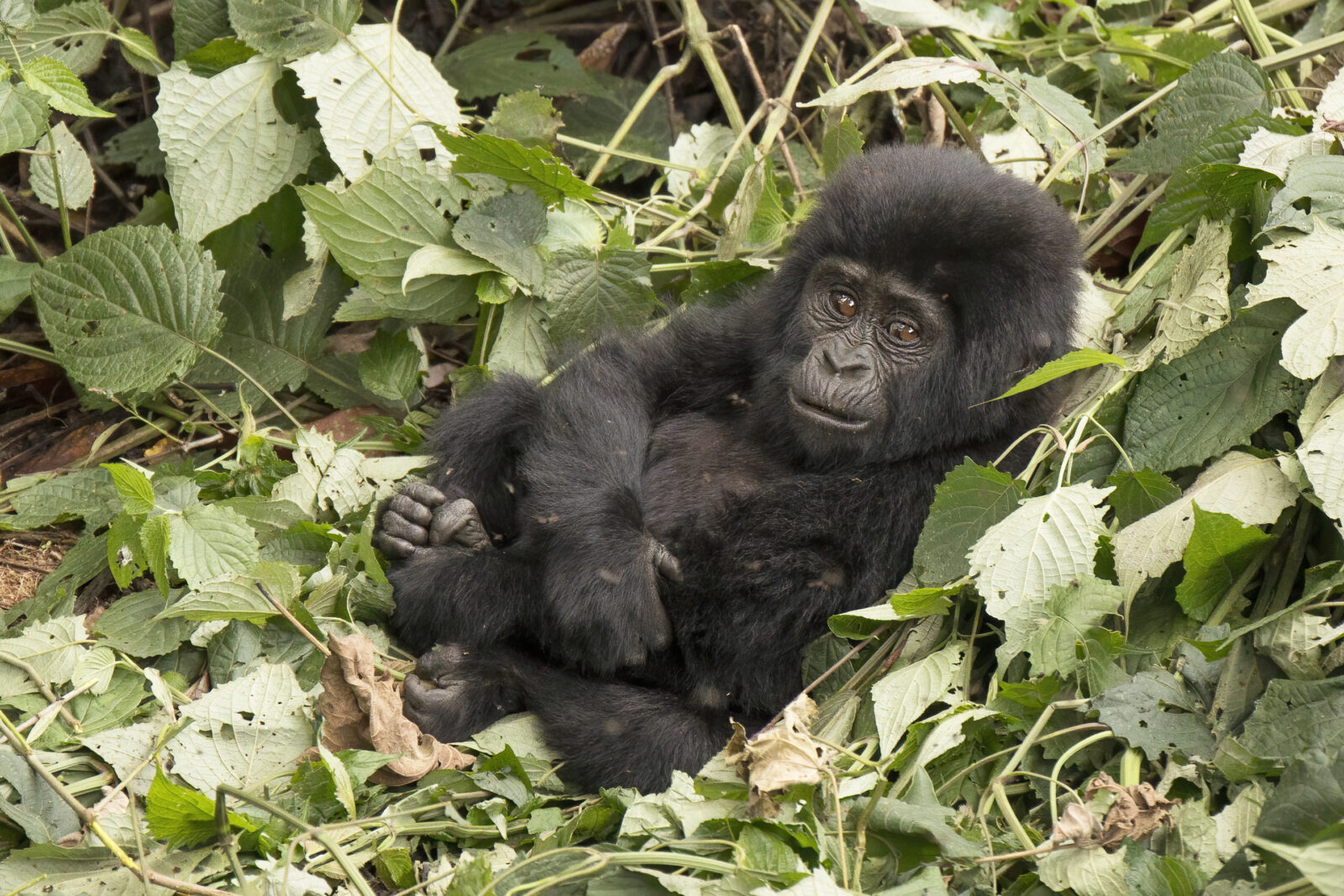
Rushaga’s growing popularity and larger number of habituated families make the seasonal timing question here interact with availability in a way that’s worth understanding on its own terms. What is the best time of year to go gorilla trekking in Rushaga deserves a clear, specific answer, particularly since this sector’s expanded capacity changes the calculus slightly compared to smaller, more availability-constrained options elsewhere in Bwindi.
This guide covers Rushaga’s seasonal rhythm, how it interacts with the sector’s larger capacity, and how to time your visit around what matters most to you.
Rushaga’s Two Dry Seasons
Rushaga follows Bwindi’s broader regional pattern, with two drier windows falling roughly December through February and June through August. These months bring the firmest trails and lowest rainfall, and combined with Rushaga’s genuine popularity, they draw the heaviest demand of the year — though the sector’s larger total daily capacity means availability tends to hold up somewhat better here than at smaller sectors even during peak periods.
Why Rushaga’s Capacity Softens the Seasonal Booking Crunch
Because Rushaga hosts more habituated families than any other single Bwindi sector, its larger total daily allowance means dry season demand, while genuinely high, doesn’t tighten availability quite as sharply here as it does at smaller-capacity sectors like Nkuringo or Ruhija. This is worth knowing if your travel dates are somewhat fixed and you’re specifically weighing sectors based on realistic booking odds during peak months.
Rushaga’s Two Rainy Seasons
March through May and September through November bring the heaviest rainfall to Rushaga, with trails becoming genuinely muddier though generally considered somewhat more moderate in terrain difficulty than Nkuringo’s steeper routes even when wet. Visitor numbers ease noticeably during these months, and accommodation around Rushaga’s growing lodge scene often becomes meaningfully more affordable as a result.
Building Realistic Time Buffers Around Rushaga
Given genuine variability in tracking time depending on which specific family your group is assigned to, building extra buffer time into your itinerary immediately after your trek day remains worth doing at Rushaga, regardless of the sector’s generally more moderate terrain.
Terrain and Weather Interaction at Rushaga
Rushaga’s terrain, while not the park’s gentlest, holds up reasonably well compared to Nkuringo even during rainy months, making it a sector some trekkers specifically choose when they want a full rainy-season cost and crowd advantage without taking on the steepest possible terrain difficulty at the same time.
What to Pack Differently for Rushaga by Season
Dry season at Rushaga still calls for basic rain preparation given the region’s genuinely unpredictable weather, but rainy season demands a fuller kit — waterproof outerwear, gaiters or boot covers, and trekking poles all become considerably more valuable given the sector’s terrain, even though it’s generally more moderate than Nkuringo’s steeper routes.
Temperature Patterns at Rushaga
Rushaga’s elevation keeps temperatures cooler than lower-altitude parts of Uganda throughout the year, with mornings carrying a genuine chill regardless of season. Packing warm layers alongside your standard trekking gear remains sensible practice no matter which season you choose to visit.
Choosing Rushaga Specifically for Its Family Variety, By Season
Rushaga’s wide selection of habituated families means seasonal weather can affect different families’ ranging patterns differently, and an operator with current, family-level tracking information can sometimes route you toward whichever specific family is proving easiest to locate during your particular travel window, an advantage smaller single- or few-family sectors don’t offer to the same degree.
Rushaga’s Position Within a Broader Southern Bwindi Circuit
Rushaga’s proximity to Nkuringo and reasonable access from Kisoro make it a natural anchor for a broader southern Bwindi circuit, and timing this kind of multi-sector visit around the shared regional dry season simplifies planning considerably compared to researching each sector’s calendar in isolation.
How Rushaga’s Growing Lodge Scene Reflects Seasonal Demand
Rushaga’s expanding accommodation options price noticeably higher during dry season’s peak months and offer genuinely better value during rainy season’s quieter stretch, mirroring the pattern seen across the rest of Bwindi. This growing range gives trekkers meaningfully more choice than Rushaga’s accommodation scene offered even a few years ago, regardless of which season they’re planning around.
Group Composition Considerations by Season
Rushaga’s generally moderate terrain makes it a genuinely solid choice for mixed-ability groups across most of the seasonal calendar, though rainy season still narrows the gap less than it would at a gentler sector like Buhoma while remaining considerably more forgiving than Nkuringo for groups with varying fitness levels.
What Local Guides Say About Rushaga’s Seasonal Character
Guides working across Rushaga’s several families often note that the sector’s terrain, while genuinely more forgiving than Nkuringo’s, still rewards proper preparation during rainy months rather than assuming the seasonal difficulty swing is negligible simply because Rushaga’s baseline terrain is more moderate.
Combining Rushaga’s Family Variety With Seasonal Planning
Trekkers with a genuine interest in Rushaga’s habituation experience specifically should note that this longer, more involved encounter can be somewhat more physically demanding in wet conditions given the extended time spent with the family, worth factoring into your seasonal planning if this deeper experience is your priority over the standard one-hour trek.
Booking Strategy Given Rushaga’s Season and Capacity Combination
For trekkers who want the most reliable dry-season conditions but are worried about availability, Rushaga’s combination of solid trail conditions and larger capacity makes it a genuinely strong strategic choice, particularly for bookings made somewhat closer to the travel date than ideal for a smaller-capacity sector.
Frequently Asked Questions
Is Rushaga easier to book during dry season than other Bwindi sectors?
Generally yes, relatively speaking — its larger total daily capacity means dry season demand doesn’t tighten availability as sharply here as it does at smaller sectors.
Is Rushaga’s terrain more manageable than Nkuringo’s during rainy season?
Generally considered somewhat more moderate, yes, though rainy season still makes any Bwindi sector’s terrain more challenging than dry season equivalents.
Should I still book Rushaga ahead during dry season despite its larger capacity?
Worth doing, particularly for genuinely peak dates, even though Rushaga’s odds are generally better than smaller sectors given its larger overall allowance.
Does Rushaga’s family variety help during less favourable weather?
Potentially yes — an operator with current tracking information can sometimes route you toward whichever specific family is proving most accessible during your travel window.
Is Rushaga’s lodge pricing noticeably higher during dry season?
Yes, meaningfully — Rushaga’s growing accommodation scene follows the same seasonal pricing pattern as the rest of Bwindi, with rainy season offering genuinely better value.
Is the habituation experience more demanding during rainy season?
Somewhat, yes — the extended time spent with a still-habituating family means more total exposure to wet, muddy conditions compared to the standard shorter trekking permit.
Is Rushaga a good anchor for a broader southern Bwindi circuit?
Yes — its proximity to Nkuringo and reasonable access from Kisoro make it a natural base for a multi-sector visit, best planned around the shared regional dry season.
Is shoulder season a good compromise for Rushaga specifically?
Often yes — Rushaga’s larger capacity combined with shoulder season’s better availability and moderate conditions offers a genuinely appealing middle ground for flexible trekkers.
Is Rushaga a good choice for a mixed-fitness group year-round?
Generally yes — its moderate terrain holds up reasonably well across seasons, making it more forgiving for varied fitness levels than steeper alternatives like Nkuringo.
Should I build extra buffer time around a Rushaga trek day?
Worth doing regardless of season, given genuine variability in tracking time depending on which specific family your group ends up assigned to on the day itself.
Is there a specific month considered especially good for Rushaga?
Late June through July and January often get singled out within the dry windows, though conditions genuinely vary year to year, so checking current specifics with an operator is worth doing.
Does Rushaga’s larger family count mean weather affects it less than smaller sectors?
Not directly, but the greater number of families does mean there’s usually at least one with more favourable current conditions, giving your operator meaningfully more flexibility to work with regardless of season or timing.
Is Rushaga worth choosing specifically because of its seasonal flexibility?
For trekkers prioritising booking ease and moderate terrain over a single “best” sector, yes — Rushaga’s combination genuinely holds up well across most of the calendar, whichever specific month you ultimately settle on for your trip.
Rushaga’s combination of moderate terrain and larger capacity makes it a genuinely flexible choice across the seasonal calendar, rewarding trekkers who match their travel dates to their own priorities on cost, crowds, and conditions rather than chasing one single “correct” month regardless of what generic seasonal advice might suggest.
Take the time to weigh these factors honestly against your own priorities before booking.
Plan the Rest of Your Trip
For the full permit picture once you’ve settled on your travel dates, this Rushaga permit cost guide is worth reading, alongside this Rushaga capacity guide. If you’re weighing Rushaga against a quieter alternative, this Nkuringo permit cost guide is a useful comparison, and this rainy season guide rounds out your seasonal planning.