
Can You Trek Gorillas If You Have a Cold? Health Policies Explained
Can you trek gorillas if you have a cold is a question a surprising number of travelers arrive at Bwindi still hoping the answer is yes, usually after spending months planning, saving for an $800 permit, and building an entire trip around a single trekking date. The honest, direct answer is no, not with genuine cold symptoms, and understanding why the policy is enforced this strictly, even for what feels like a mild, manageable illness, matters both for planning your trip and for accepting the outcome gracefully if it happens to you.
Why a “Mild” Cold Still Counts
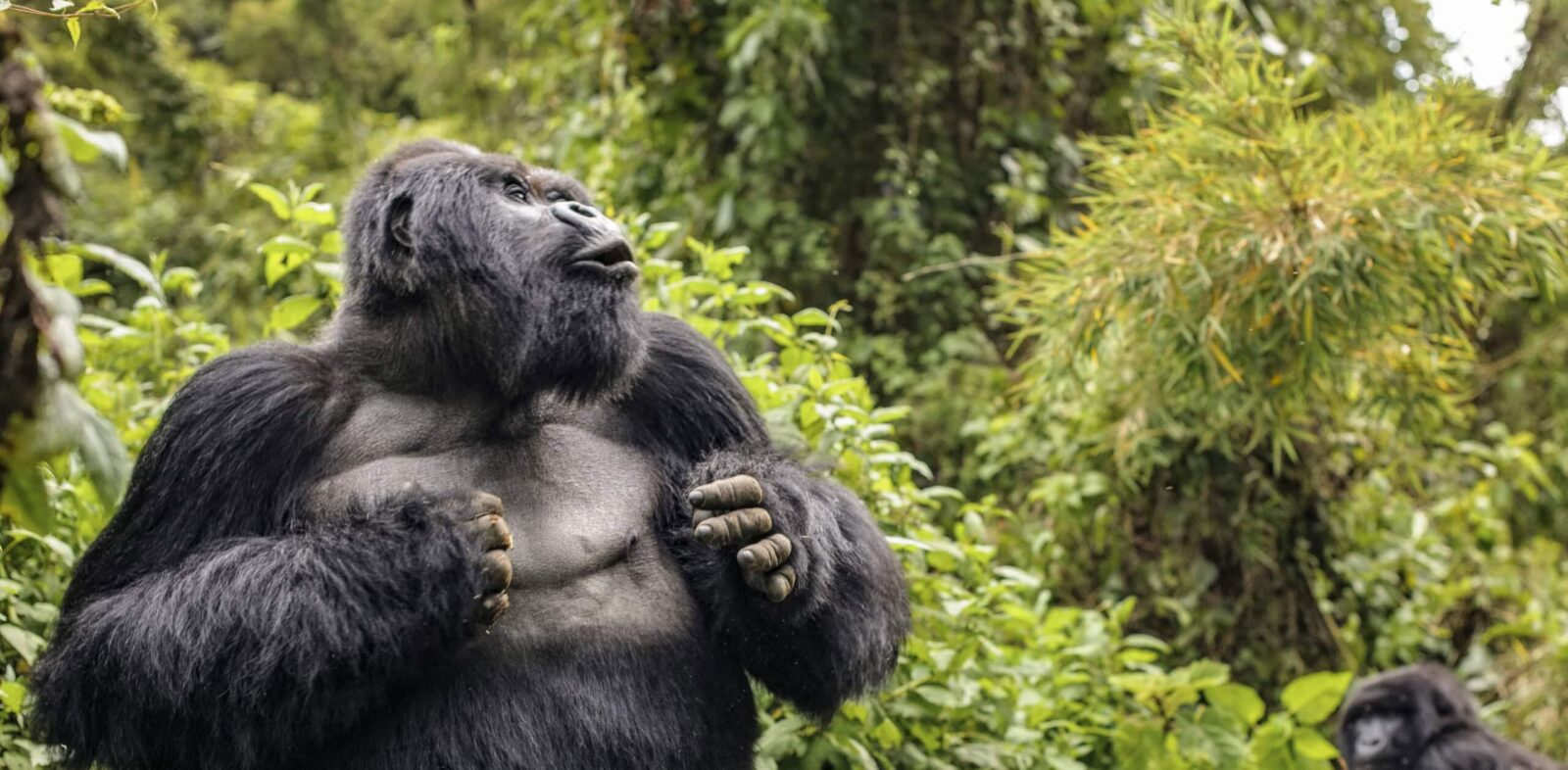
The instinct to downplay a runny nose or slight cough as too minor to matter is understandable but medically mistaken in this specific context. Mountain gorillas share roughly 98 percent of human DNA, making them susceptible to the same respiratory viruses that cause the common cold in humans, and what registers as a mild inconvenience for a person can trigger a genuinely serious, sometimes fatal, respiratory illness in a gorilla with no comparable immune defenses or medical treatment options available in the wild. There is no severity threshold below which a cold becomes acceptable to bring into close proximity with a habituated gorilla family; a runny nose and occasional cough are treated with the same seriousness as full flu symptoms by rangers conducting the morning health screening, and no amount of explaining that symptoms feel mild will change that assessment once a ranger has genuinely noticed them.
How the Screening Actually Works
Uganda Wildlife Authority rangers assess visitors for visible or reported symptoms of contagious illness during the pre-trek briefing at park headquarters, before permits are formally activated for that day’s group. This is not a cursory glance; rangers ask directly whether anyone in the group is feeling unwell and watch for visible signs, coughing, sneezing, an obviously congested voice, throughout the briefing itself. If a ranger has genuine doubt about a visitor’s condition, the authority to prevent that person from continuing rests with park staff, not with the visitor’s own assessment of how they feel or how much they have already invested in reaching that point. Attempting to mask symptoms with over-the-counter cold medication specifically to get through the briefing undetected is both against the spirit of the policy and genuinely risky for the gorillas the rule exists to protect, since suppressing symptoms does not eliminate the underlying contagious risk. Experienced rangers have generally seen this attempt before, and a visibly medicated visitor who still sounds congested or looks unwell is often more likely to draw closer scrutiny, not less, than someone who simply disclosed symptoms honestly from the outset.
What Happens If You’re Turned Away
Being denied entry to the trek due to cold symptoms is disappointing but not usually financially catastrophic, thanks to Uganda Wildlife Authority’s specific illness accommodation. If a park warden examines and certifies that a visitor is too unwell to trek, that visitor is generally eligible for at least a fifty percent refund of the permit fee, a meaningfully better outcome than the standard last-minute cancellation tiers, which offer no refund at all inside eight days of the trekking date. This distinction exists specifically to remove the financial incentive to hide symptoms and push through anyway, since without it, a visitor facing total loss of an $800 permit would face real temptation to conceal a cold rather than disclose it honestly.
Rescheduling, rather than simply accepting a partial refund, is sometimes possible depending on permit availability on alternative dates, though this is not guaranteed and generally requires the same written request process that governs any other rescheduling situation. Travelers turned away for illness should ask their operator immediately about both options, refund and potential rescheduling, rather than assuming only one path is available.
What to Do If You Wake Up With Cold Symptoms on Trekking Morning
The right move if you wake up with a cold on the morning of your trek is straightforward, even though it is emotionally difficult given how much anticipation typically surrounds this specific day. Disclose your symptoms honestly to your guide and to park staff at headquarters rather than trying to push through the briefing undetected. Go through the health screening genuinely rather than treating it as an obstacle to work around, and accept the ranger’s assessment as final rather than arguing or attempting to persuade your way onto the trek. If travel insurance was arranged for the trip, and it generally should be given how expensive gorilla permits are, this is exactly the scenario comprehensive travel insurance with activity cancellation coverage is designed to help offset, alongside whatever partial refund UWA itself provides.
For travelers on a multi-day itinerary with some flexibility built in, resting for a day and attempting a rescheduled trek later in the trip, if permit availability allows, is worth exploring with your operator before accepting a lost trek as final. This is exactly why building buffer days into a gorilla trekking itinerary, rather than scheduling the trek on the very first available day with no slack afterward, is such consistently good advice from experienced operators.
Reducing the Odds of Getting Sick Before Trekking Day
Some illness is simply bad luck, but a meaningful share of colds that derail a gorilla trek trace back to preventable exposure in the days immediately beforehand: long-haul flights in recycled cabin air, close contact with a sick travel companion, or simple exhaustion from an overpacked pre-trek itinerary weakening the immune system at exactly the wrong moment. Building at least one genuine rest day into your itinerary before the trekking date, rather than scheduling back-to-back activities right up until trekking morning, gives your body a real chance to recover from travel fatigue and fight off any minor exposure before it develops into full symptoms. Staying well hydrated during and after flights, washing hands frequently during the travel days leading up to the trek, and getting adequate sleep in the nights before your trekking date are unglamorous but genuinely effective precautions many travelers skip while focused on more exciting trip logistics like gear and photography planning.
Packing a basic cold and flu remedy kit, not to mask symptoms and sneak past screening, but to manage a minor issue that might resolve before it becomes trek-threatening if caught early, is worth including alongside the rest of your health preparation. Vitamin C, zinc lozenges, and adequate rest at the first sign of a scratchy throat sometimes prevent a full cold from developing at all if addressed early enough in the days before your permit date.
Can You Trek Gorillas If You Have Just Allergies, Not a Cold?
Seasonal allergies present a genuinely tricky borderline case, since symptoms, sneezing, a runny nose, watery eyes, can closely resemble a contagious cold to a ranger conducting a quick visual assessment, even though allergies pose no actual infectious risk to gorillas. Travelers with known seasonal or environmental allergies should mention this proactively to their guide before the health screening begins, ideally with any relevant medication or a note from a doctor if the distinction is likely to be visually ambiguous, since rangers making a judgment call in the moment have no reliable way to distinguish allergic symptoms from early cold symptoms just by looking. Taking a non-drowsy antihistamine before the briefing, if allergies are a known, recurring issue for you specifically, can reduce visible symptoms enough to avoid an unnecessary, frustrating misunderstanding at the trailhead. It also helps to mention the allergy diagnosis to your tour operator ahead of time, so the guide already has context before the morning of the briefing rather than hearing about it for the first time under pressure at the trailhead.
Protecting Both Your Trip and the Gorillas You Came to See
Understanding health policies before you travel, rather than discovering them for the first time at the park gate, makes the whole situation considerably easier to navigate if it does arise. Our detailed guide on what happens to your permit if you get sick covers the verification and refund process in more depth than space allows here. Our broader page on what diseases you can transmit to mountain gorillas explains the underlying medical reasoning behind these rules, and our overview of gorilla safari permit rules covering age, health, and what to bring rounds out the full picture of what to prepare for beyond illness specifically. If your plans do need to change, review our guide to gorilla safari permit cancellation before your trip so you already know the process. Going into a well-paced three-day Bwindi gorilla trekking safari with this understanding already in place means a cold, if it happens, becomes a manageable setback rather than a confusing, frustrating surprise. The short answer to whether you can trek gorillas if you have a cold will always be no, but knowing exactly why, and exactly what happens next, turns a potential trip-ruining moment into simply one more contingency you had already planned for. Most travelers who do the necessary preparation, rest days built in, travel insurance arranged, honest self-assessment on the morning itself, never need any of it, but having it in place removes one more source of anxiety from a trip that is stressful enough to plan without adding unnecessary uncertainty on top.