
Rain in the forecast for your trek day understandably worries first-time trekkers who’ve invested significant money and planning into a single, fixed date. Does weather affect gorilla safari success rates is worth answering directly with real information rather than vague reassurance, since it’s a genuine, practical concern rather than an idle worry.
This question comes up constantly in the weeks before a trip, often triggered by nothing more than a weather app showing a rain icon on the wrong day, and it deserves a clearer answer than the vague reassurance most trekkers receive.
The Short Answer: Barely, If At All
This is worth stating plainly upfront because so many prospective trekkers, understandably, assume rain must hurt their odds the way it might affect a general wildlife safari where animals genuinely do seek shelter and become harder to spot. Gorilla trekking simply doesn’t work that way, and it’s one of the more reassuring facts worth knowing before you commit to a specific travel date months in advance.
Sighting rates remain extremely high regardless of weather conditions, since the tracking process that locates a family each morning operates independently of rain. Trackers head out before dawn whatever the forecast, following the previous evening’s nesting site and reading fresh signs, and gorillas themselves don’t relocate dramatically based on weather the way some other wildlife responds to seasonal shifts.
What Actually Changes When It Rains
It’s worth separating these two questions clearly in your own planning – “will it be harder” and “will it be less successful” have genuinely different answers here, and conflating them is where most of the unnecessary worry about weather actually comes from.
The honest impact of rain falls almost entirely on the difficulty and comfort of the trek itself, not on whether you’ll find the family. Trails turn to thick, slippery mud, visibility through dense vegetation can decrease, and the physical demand of the hike increases noticeably compared to a dry-trail day. This is a real, worth-preparing-for difference, just not one that translates into a lower chance of a successful sighting.
Why Gorillas Don’t Simply Hide From Rain
It’s worth remembering these animals have lived in this genuinely wet climate for their entire evolutionary history, not adapted recently to it. Rain is the norm here, not the exception, and treating it as unusual weather rather than a routine, expected part of forest life leads to a more accurate picture of how the gorillas themselves experience it.
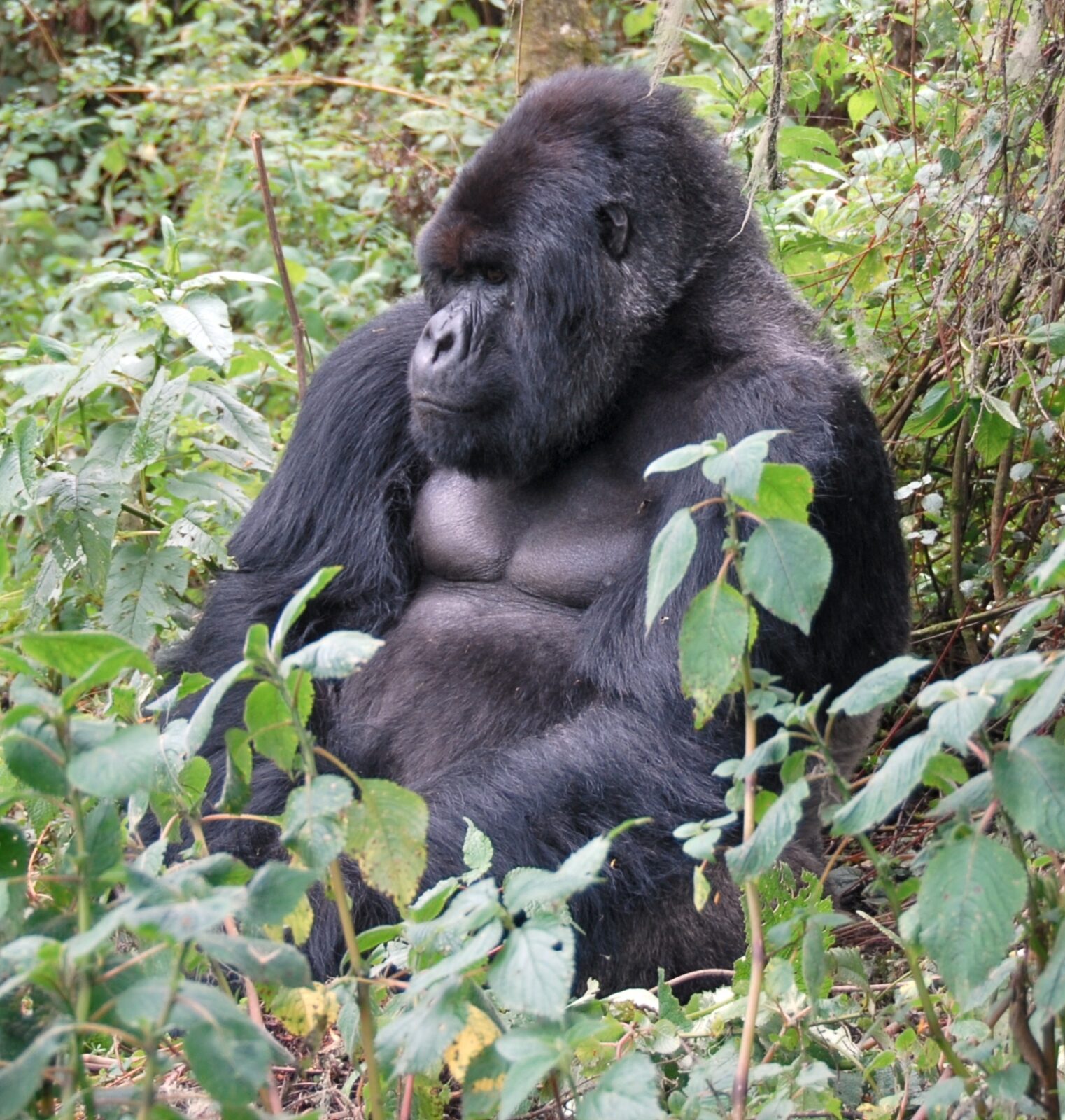
Mountain gorillas are well adapted to a genuinely rainy habitat – Bwindi and the Virungas receive substantial rainfall across most months of the year, and gorillas continue normal feeding, resting, and movement patterns through wet weather rather than sheltering and becoming harder to locate. Their thick fur and forest canopy cover provide natural protection, and rain simply isn’t the disruptive event to their routine that it might be to the trekkers pursuing them.
Dry Season Versus Wet Season, Honestly Compared
Budget-conscious trekkers who are also comfortable with a genuinely muddier, more physically demanding day often find wet season the more rational choice once they understand sighting rates don’t actually suffer for it, freeing up the decision to rest entirely on cost, crowd tolerance, and physical preference rather than any perceived risk to the core experience.
Uganda and Rwanda’s dry seasons, roughly June through September and a shorter window around December to February, offer easier underfoot conditions and are understandably popular, which also means higher demand, higher prices, and more competition for permits. Wet season months, particularly April, May, and November, offer a genuinely comparable sighting experience at typically lower cost and with fewer other trekkers on the trail, trading physical ease for value and quieter forest conditions.
How Rangers Manage a Trek in Poor Weather
Rangers working these sectors year-round have seen every kind of weather this forest can produce, and the calm, practised way they handle a genuinely soggy trek day is itself reassuring once you’re actually experiencing it, rather than reading about it in advance from the comfort of home.
Rangers adjust pacing, route choice, and safety precautions in wet conditions, but the trek proceeds as planned in all but genuinely extreme, dangerous weather, which is rare rather than routine. A steady, persistent rain doesn’t cancel or meaningfully shorten a trek – your hour with the family, once found, remains the same regardless of what the sky is doing.
Preparing Properly Removes Most of the Downside
This is genuinely the single highest-leverage thing you control in this entire equation – you can’t control whether it rains on your specific date, but you can control almost entirely how prepared and comfortable you are if it does, which is where your planning energy is best spent rather than worrying about the weather itself.
The weather-related difficulty of a wet trek is almost entirely manageable through proper preparation – a genuine rain jacket, gaiters or trousers tucked into boots, quick-drying layers rather than cotton, and a positive, realistic mindset about mud being part of the experience rather than a failure of planning. Trekkers who prepare well for wet conditions often report the rain adds a certain atmospheric drama to the forest rather than ruining the day.
What Photography Looks Like on a Wet-Weather Trek
Overcast, rainy conditions actually suit photography better than many trekkers initially expect, since diffused light through cloud cover produces softer, more even illumination than harsh direct sun, reducing the blown-out highlights and deep shadows that can plague forest photography on a bright, sunny day. Experienced gorilla photographers often specifically prefer the light quality of an overcast wet-season day, provided you’ve prepared your gear with proper weather protection.
The Psychological Shift That Helps Most
Trekkers who go in mentally prepared for mud and rain as simply part of the day, rather than as a disappointment to be endured, consistently report enjoying wet-weather treks more than those who arrive hoping for perfect conditions and feel let down when reality doesn’t match that hope. Adjusting your own expectations before you arrive is, in its own way, as much a part of preparation as your rain jacket.
Frequently Asked Questions
Should I avoid booking during the rainy season out of caution?
Not necessarily, given that sighting rates remain high regardless of season. It’s a genuine trade-off between easier trail conditions and higher cost and crowds in dry season, versus muddier trails and better value in wet season, rather than a safety or success-rate concern.
Does heavy rain ever cause a trek to be cancelled outright?
Only in genuinely extreme, dangerous conditions, which are uncommon. Standard rain, even heavy and sustained, doesn’t typically cancel a scheduled trek, though your ranger will always prioritise safety over sticking rigidly to a planned route if conditions genuinely warrant a change.
Is one specific wet-season month better than the others?
April and November tend to be considered slightly gentler shoulder-season options compared to the more sustained heavy rains of the core wet season, offering a reasonable middle ground between dry-season crowds and full wet-season intensity.
Does altitude make weather conditions worse or more unpredictable?
Yes, to some extent – higher-altitude sectors can experience more sudden shifts between sun and rain within a single day, and temperatures drop more noticeably once wet, which is worth factoring into your layering strategy regardless of which broad season you’re trekking in.
For more on preparing properly for wet conditions, this packing list and this guide to trekking in wet season cover the practical side of turning a rainy trek into a genuinely enjoyable one.