
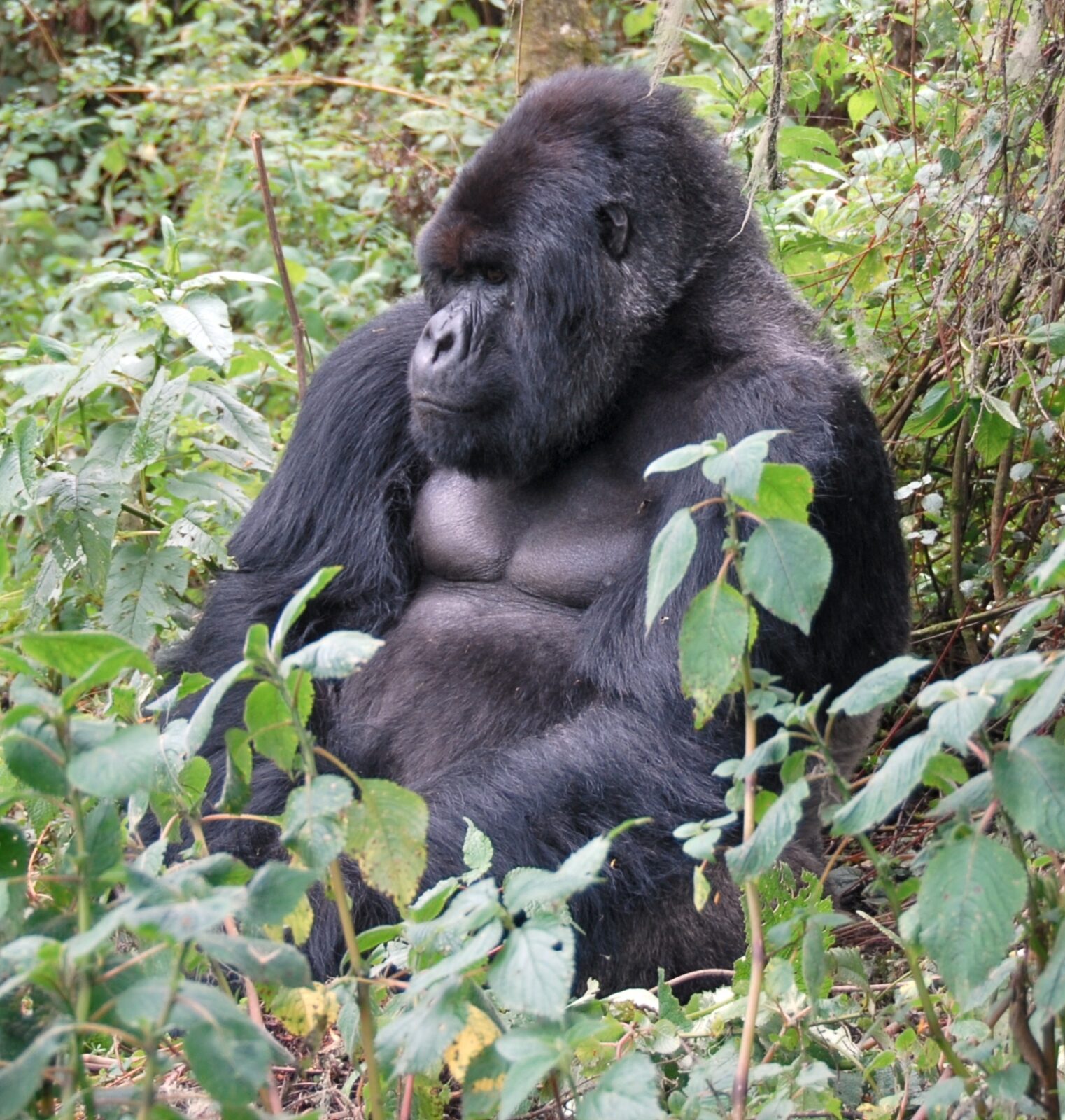
Before booking a trip this significant, most trekkers want a straight answer to one core question. What are the chances of actually seeing gorillas on safari is worth answering honestly, with real numbers rather than vague reassurance, since it’s a genuine factor in deciding whether the investment of time and money makes sense for you.
This is one of the most commonly asked questions among prospective trekkers researching their first trip, and it deserves a clear, evidence-based answer rather than the kind of vague marketing reassurance that sometimes substitutes for real information online.
The Honest Numbers
It’s worth being specific about the source of this confidence rather than simply citing a number without context – park authorities and operators track sighting outcomes closely, since it’s a core measure of the whole trekking programme’s success and directly affects future visitor confidence in booking.
Sighting rates across Bwindi Impenetrable Forest and Rwanda’s Volcanoes National Park consistently run extremely high, generally cited in the high nineties as a percentage of scheduled treks. This isn’t a marketing exaggeration – it reflects the genuine effectiveness of the tracking system built around each habituated family, which is a fundamentally different situation from unpredictable wildlife spotting on an open savanna safari.
Why the Success Rate Is So High
This is fundamentally different from spotting wildlife that could genuinely be anywhere across a vast, unmonitored territory. A habituated gorilla family’s home range, while sizeable, is known and actively monitored, which converts what would otherwise be a matter of luck into a matter of skilled, practised tracking.
Trackers head into the forest before dawn, well ahead of trekking groups, following the previous evening’s nesting location and reading fresh signs to pinpoint roughly where a specific habituated family has moved to overnight. This pre-dawn work, combined with each family living within a known, monitored home range rather than roaming unpredictably across a vast, unmonitored territory, is what makes such consistently high sighting rates achievable.
The Rare Cases When a Trek Doesn’t Find the Family
Trekkers understandably fixate on this small residual risk, but it’s worth keeping the actual probability in perspective – you’re considerably more likely to encounter routine travel disruptions like a flight delay than to be part of the small minority of treks that don’t locate a family.
Occasionally, a family moves further or into terrain that makes a safe approach genuinely impractical within the day’s available time and daylight, or unusual circumstances disrupt the typical tracking pattern. This is uncommon precisely because of how much preparation and tracking work happens before your group even sets off, but it isn’t literally impossible, which is why “extremely high” is the honest framing rather than “guaranteed.”
What Happens If Your Trek Comes Back Empty
This is one of those details that costs nothing to clarify in advance and can genuinely change how you feel about an already-rare disappointment if it happens to be your particular trek that draws the short straw.
Policies vary by park authority and by operator, and this is genuinely worth asking about directly before you book rather than assuming a standard policy applies universally. Some situations offer a partial refund or the option of a return attempt; others don’t, which makes this one of the more practical questions to clarify upfront given how rare, but not impossible, an unsuccessful trek actually is.
Does the Sighting Rate Differ Between Uganda and Rwanda?
Congo’s Virunga National Park operates a broadly similar tracking model too, though security and access considerations there are a separate, more significant factor in trip planning than sighting rate alone, worth researching carefully if that’s a country you’re considering.
Both countries report similarly high sighting rates overall, given that both operate essentially the same core tracking model – dedicated trackers locating habituated families before trekking groups depart. Neither country has a meaningfully more reliable reputation than the other on this specific measure, so this shouldn’t be a major deciding factor between the two destinations.
Does Season Affect Your Chances?
This distinction between “harder” and “less likely to succeed” is worth internalising clearly, since it means choosing a wet-season trek for cost or crowd-avoidance reasons doesn’t come with a meaningful trade-off in your actual odds of a successful encounter.
Weather can affect the difficulty and comfort of the trek itself considerably more than it affects the underlying sighting rate, since tracking happens regardless of rain, and gorilla families don’t relocate dramatically based on season the way some other wildlife does in response to migration patterns. A wet-season trek is generally just as likely to find the family as a dry-season one, even though the walk to reach them may be more physically demanding.
How This Compares to Other Wildlife Viewing
Trekkers who’ve done both often describe this as one of the more pleasant surprises of gorilla trekking compared to what they expected based on prior safari experience – a structured, reliably high-success activity rather than the patient, sometimes disappointing waiting game a general game drive can occasionally become.
It’s worth putting this in context against other wildlife experiences trekkers might be more familiar with – a general game drive on an open savanna safari involves genuine uncertainty about which specific animals you’ll encounter on any given day, with no equivalent tracking system pinpointing a known individual group beforehand. Gorilla trekking’s structured, tracked approach is a meaningfully different and more reliable model than that kind of open wildlife viewing.
Putting the Number in Perspective for Your Own Decision
If you’re weighing whether this specific trip is worth its considerable cost and physical demands, the sighting-rate question deserves to be near the bottom of your list of genuine concerns, given how consistently and reliably it resolves in trekkers’ favour. Fitness, budget, timing, and logistics are all far more meaningful variables in whether your specific trip goes well than any residual, small uncertainty about finding the gorillas themselves.
Frequently Asked Questions
Is a habituation permit’s success rate different from a standard permit’s?
Sighting rates for habituation permits, which involve longer encounters with families still becoming accustomed to human presence, are also generally very high, following a similar pre-dawn tracking approach, though the family’s less complete habituation can occasionally mean a more variable encounter once found.
Should I ask my operator for their own specific sighting rate statistics?
It’s worth asking, since a specific, confident answer suggests genuine experience and transparency, though remember that overall park-wide statistics are the more reliable baseline figure rather than any single operator’s anecdotal track record.
Does group size or which sector I choose affect my chances of a sighting?
Not meaningfully – sighting rates are driven by the tracking process applied consistently across sectors and family groups, rather than by your specific group size or which particular sector you’ve been assigned to trek in.
For more on what actually happens during the search itself, this explanation of the lead guide and tracker roles covers the process behind these high sighting rates in detail, and this beginner’s guide is worth reading for the rest of your planning.