
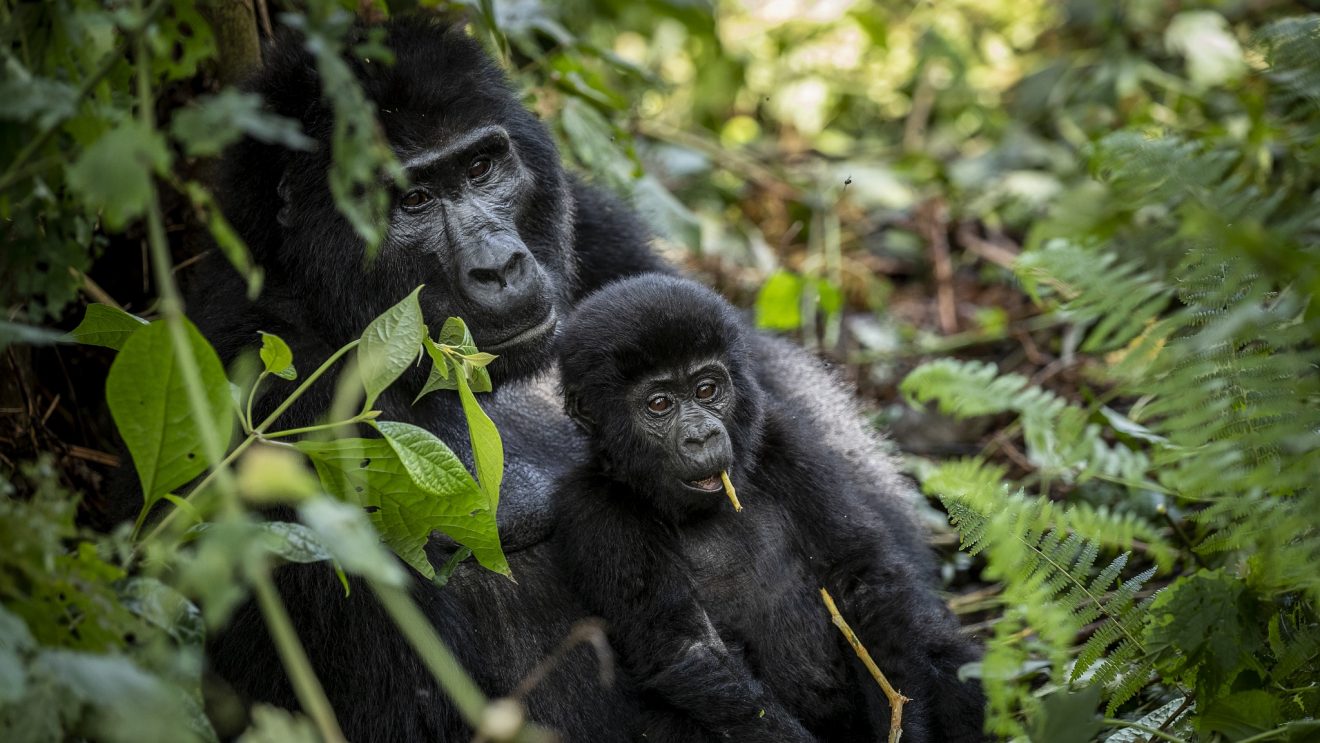
Gorilla Safari Altitude Preparation: Acclimatising for Bwindi
Preparing for a gorilla safari is not only about fitness and gear. One of the most overlooked factors is altitude adaptation. In regions such as Bwindi Impenetrable National Park and Mgahinga Gorilla National Park, trekking takes place in elevated montane rainforest environments where altitude can influence breathing, stamina, and overall trekking comfort.
While these elevations are not extreme compared to high mountain expeditions, they are significant enough to affect people who are not acclimatised to sustained physical activity above lowland conditions. Understanding altitude effects and preparing properly ensures a smoother and more enjoyable gorilla trekking experience.
Understanding Bwindi’s Altitude Environment
Bwindi Impenetrable Forest is a montane rainforest with varying elevations across its different trekking sectors. Some areas start at lower altitudes, while others extend into higher ridges and slopes.
This means trekkers may experience continuous changes in elevation during a single hike. You are not just walking horizontally-you are constantly gaining and losing altitude as you move through the forest.
Mgahinga Gorilla National Park is similarly located in a volcanic highland region, where altitude changes are even more pronounced due to its proximity to the Virunga volcano chain.
How Altitude Affects the Body
Altitude affects the body primarily through reduced oxygen availability. Even at moderate elevations, some individuals may notice changes in breathing efficiency and endurance.
Common effects include:
Increased breathing rate during exertion
Slight reduction in stamina during uphill sections
Mild fatigue occurring faster than at sea level
Increased heart rate during sustained walking
These effects are normal and temporary. They are not dangerous for most healthy travelers but can influence comfort during long treks.
Why Altitude Matters in Gorilla Trekking
Gorilla trekking already involves continuous physical effort. When combined with altitude, even moderate climbs can feel more demanding than expected.
This is especially noticeable when:
Ascending steep forest slopes
Walking continuously for several hours
Carrying a backpack while hiking uphill
Navigating humid and warm forest conditions
Altitude does not prevent trekking, but it changes how the body uses energy.
Acclimatisation Strategy Before Arrival
One of the best ways to prepare for Bwindi’s altitude is gradual exposure before the trek itself.
Avoid Sudden Physical Strain on Arrival
If you are arriving from low-altitude regions, avoid intense physical activity immediately before trekking. Give your body time to adjust through light movement and rest.
Arrive a Day or Two Early
Spending at least one or two days in nearby areas before trekking allows your body to begin natural acclimatisation. This helps stabilize breathing patterns and energy levels.
Stay Hydrated Consistently
Hydration supports oxygen transport in the body. Dehydration can worsen altitude-related fatigue, so regular water intake is essential before and during the trek.
Physical Preparation for Altitude Conditions
Fitness training indirectly supports altitude adaptation. A well-conditioned cardiovascular system responds better to oxygen variation.
Useful preparation includes:
Steady walking or hiking for endurance
Stair climbing for uphill simulation
Light aerobic exercise for lung capacity
Controlled breathing during physical activity
These activities train the body to use oxygen more efficiently during sustained effort.
Breathing Technique During the Trek
Proper breathing can significantly reduce the feeling of altitude strain.
Effective techniques include:
Slow, deep breathing during uphill sections
Maintaining a steady rhythm rather than rushed breathing
Pausing briefly when needed to regulate oxygen intake
Avoiding shallow, rapid breathing under fatigue
Rangers often encourage a slow and consistent trekking pace specifically to help manage breathing at altitude.
Pacing: The Most Important Altitude Strategy
Altitude discomfort is often worsened by rushing. One of the most effective acclimatisation strategies is pacing.
In gorilla trekking:
Slow and steady movement conserves oxygen
Short breaks are better than long stops
Consistent rhythm reduces fatigue spikes
Experienced trekkers often move more slowly but more efficiently, which reduces altitude strain significantly.
Signs of Mild Altitude Adjustment
Most travelers experience only mild and temporary changes. These may include:
Slight shortness of breath during steep climbs
Increased heart rate during exertion
Mild tiredness earlier in the trek
These are normal physiological responses and usually improve as the body adjusts during movement.
How Terrain and Altitude Work Together
In Bwindi and Mgahinga, altitude is not experienced in isolation. It combines with terrain difficulty, which includes steep slopes, mud, and dense vegetation.
This combination is what makes trekking physically challenging-not altitude alone. The body is responding to both elevation and continuous movement through resistance terrain.
Recovery and Energy Management
Proper recovery during trekking is essential for managing altitude effects.
Best practices include:
Taking short, controlled pauses when needed
Avoiding overexertion early in the trek
Maintaining steady hydration
Eating light energy snacks if necessary
Energy conservation helps maintain consistent performance throughout the hike.
Who Is Most Affected by Altitude
Altitude effects vary from person to person. People who may notice it more include:
Those who live at sea level with little hiking experience
Individuals with low cardiovascular fitness
People who start trekking too fast without pacing
Those who are dehydrated or under-rested
However, even these effects are usually mild in Bwindi’s elevation range.
Final Perspective
Altitude in gorilla trekking is a manageable factor rather than a barrier. In Bwindi Impenetrable National Park and Mgahinga Gorilla National Park, the combination of elevation, terrain, and humidity creates a physically demanding but entirely achievable hiking environment.
Proper acclimatisation is achieved through gradual movement, good hydration, controlled pacing, and basic fitness preparation. When these elements are in place, altitude becomes a background condition rather than a limiting factor.
Ultimately, understanding and preparing for altitude allows you to focus on the real highlight of the journey-the rare and powerful experience of encountering mountain gorillas in their natural rainforest habitat.