
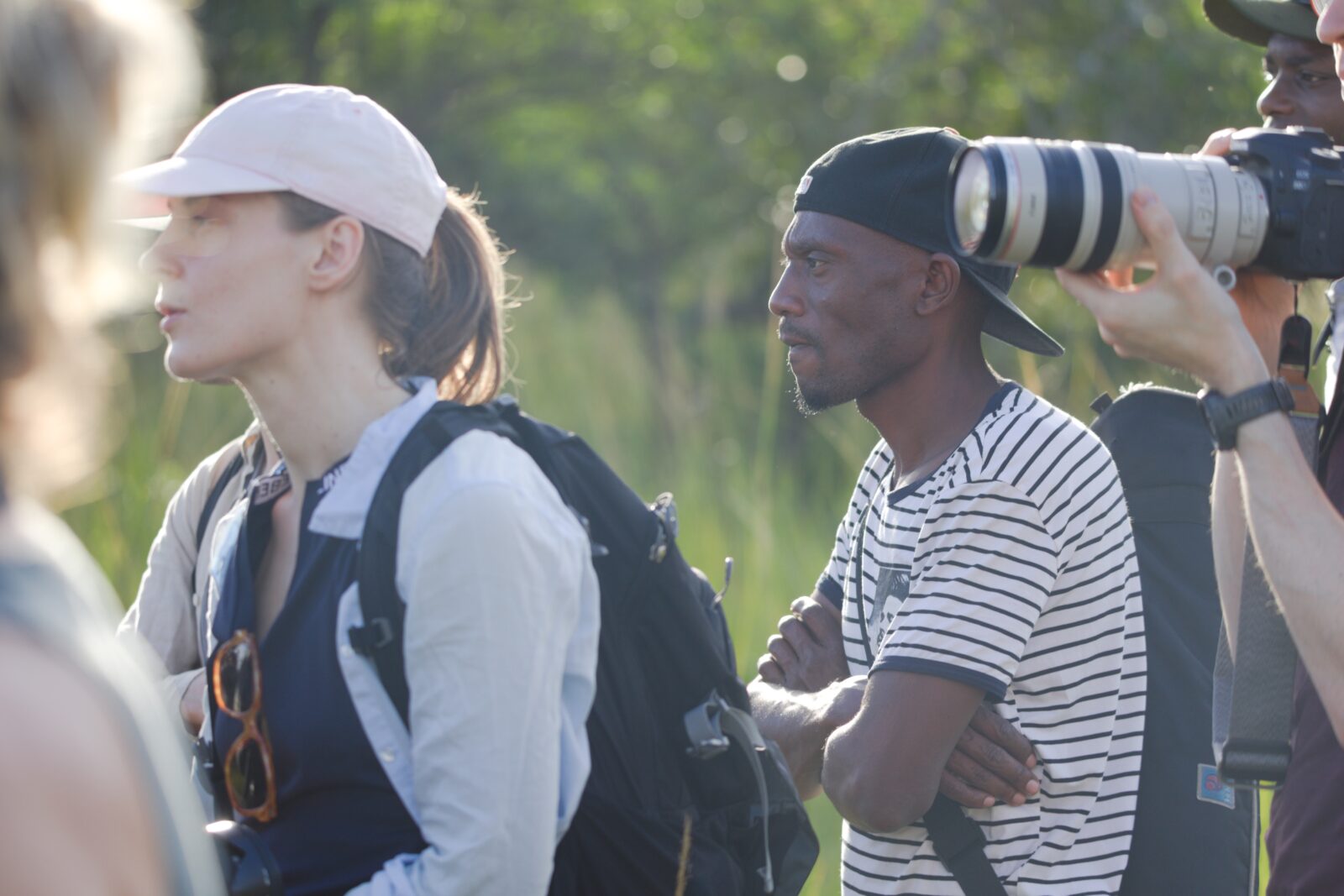
Gorilla Safari Camera Guide: What Equipment to Bring
A gorilla safari camera setup is very different from typical wildlife photography because you are working in a dense rainforest environment with limited light, close-range subjects, unpredictable movement, and strict time regulations. In locations such as Bwindi Impenetrable National Park and Mgahinga Gorilla National Park, your camera gear must be practical, lightweight, fast to operate, and capable of handling moisture and low-light conditions.
Unlike open savannah photography, gorilla trekking does not allow long setup times or complex gear changes. You typically have only one hour with a gorilla family, so efficiency matters more than having a large or complicated kit.
Understanding the Gorilla Photography Environment
The rainforest environment shapes everything about your photography approach.
Light is filtered through thick canopy cover, creating constant shade and shifting brightness. Movement can be sudden because gorillas are active and often close to you. The terrain is uneven, meaning you may be standing, crouching, or balancing at different angles while shooting.
You are also physically moving through mud, vegetation, and steep slopes before reaching the gorillas, so carrying heavy equipment becomes a burden.
Because of these conditions, the ideal camera setup prioritizes portability and speed over complexity.
Best Camera Types for Gorilla Trekking
Mirrorless Cameras
Mirrorless cameras are the most suitable option for gorilla safaris today. They are lightweight, fast to focus, and perform very well in low-light forest conditions.
They also allow silent shooting modes, which is important when working close to wildlife in a quiet environment.
DSLR Cameras (Still Effective)
DSLRs are still widely used and perform well, especially for photographers who already own them. However, they are heavier and less compact compared to mirrorless systems.
In dense forest trekking, weight becomes a factor, especially during long hikes.
Compact Advanced Cameras
High-end compact cameras can also work well for travelers who want simplicity. These are useful for casual photography but may have limitations in zoom flexibility and low-light performance.
Ideal Lenses for Gorilla Photography
Mid Telephoto Zoom Lenses (Best Choice)
A zoom range such as 24–70mm or 24–105mm is extremely effective for gorilla trekking. It allows flexibility for both close portraits and slightly wider environmental shots.
Since gorillas often come close, extreme telephoto lenses are not always necessary.
Short Telephoto Lenses
Lenses around 70–200mm are also very useful, especially if you prefer slightly more distance between you and the subject. They provide excellent detail and background separation.
Why Super Telephoto Lenses Are Less Practical
Very long lenses (300mm and above) are often unnecessary because gorillas can be surprisingly close. They are also heavier and harder to manage in steep forest terrain.
Low-Light Performance Requirements
Because of the dense canopy, lighting conditions are often dim even during the day. Your camera should perform well at higher ISO settings without producing excessive noise.
Fast lenses (wide aperture such as f/2.8 or f/4) are highly recommended because they allow more light into the sensor, improving image clarity in shaded environments.
Essential Camera Accessories
Extra Batteries
Cold and humid environments drain batteries faster than expected. Carrying at least one or two spare batteries is essential because charging opportunities in the forest are not available.
High-Capacity Memory Cards
Since you only have one hour with gorillas, you will likely take a large number of photos in a short time. High-capacity, fast-writing memory cards help prevent storage issues during critical moments.
Rain Protection for Camera
Rain is common in gorilla habitats. A simple waterproof cover or rain sleeve protects your camera from sudden downpours without slowing down your shooting process.
Lens Cleaning Cloths
Humidity, mist, and rain can cause lens fogging or water spots. Microfiber cloths are essential for quick cleaning without damaging equipment.
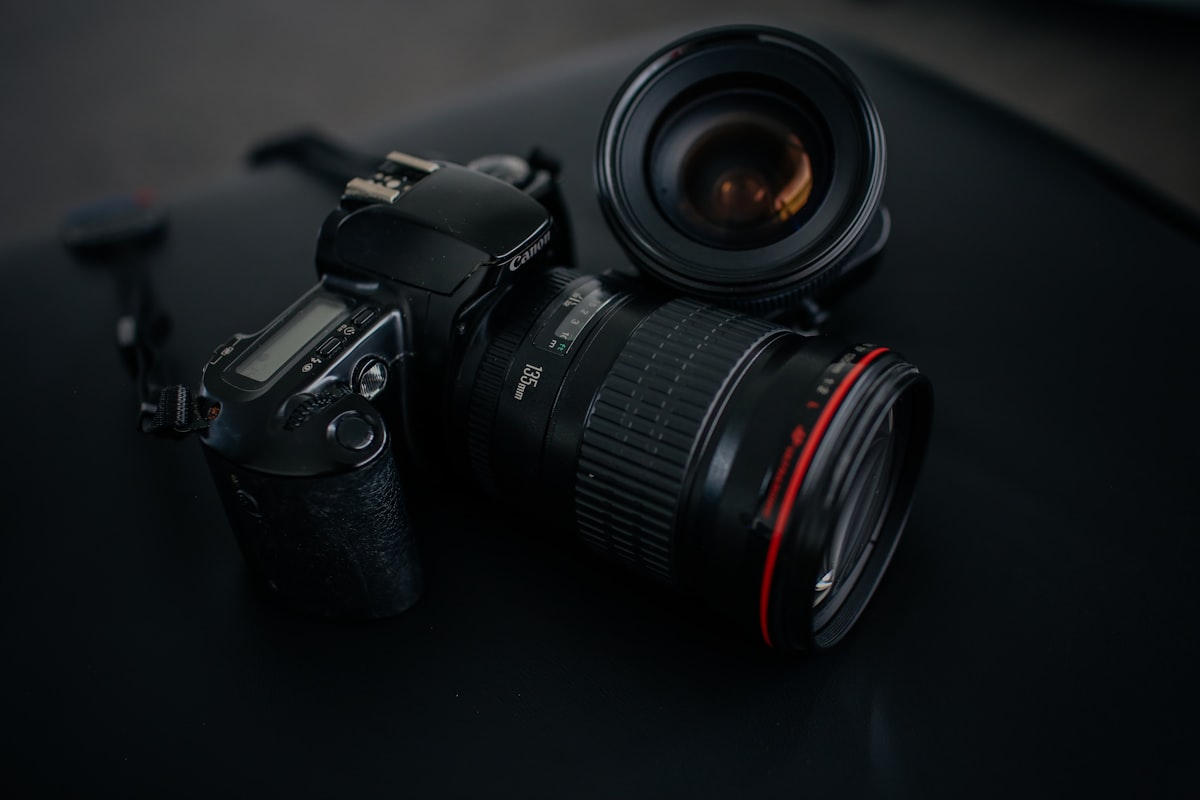
Carrying System: Camera Bags and Straps
Lightweight Backpack
A compact, weather-resistant backpack is ideal for carrying camera gear during the trek. It should be comfortable for long walks and easy to access quickly.
Sling Strap or Harness
A secure camera strap or harness system helps distribute weight and allows fast shooting without removing gear completely.
Shooting Techniques in Gorilla Habitat
Fast Responsiveness
Gorilla behavior can change quickly. You may go from still observation to active movement within seconds. Your camera should be ready at all times.
Use Continuous Autofocus
Autofocus tracking is important because gorillas move naturally within groups, especially juveniles playing or interacting.
Prioritize Natural Behavior
The most powerful images come from capturing natural behavior rather than forced poses. Focus on interactions such as grooming, feeding, resting, and social bonding.
Work with Available Light
Flash photography is generally not allowed or recommended in gorilla trekking environments. You must rely on natural light, even if conditions are low.
Weight Management Strategy
Since trekking involves hiking through steep and muddy terrain, minimizing weight is critical. Carry only essential gear into the forest.
A lightweight setup improves mobility, reduces fatigue, and allows you to react faster during photography moments.
Common Camera Mistakes to Avoid
Bringing too much heavy equipment
Changing lenses in wet or muddy conditions
Ignoring battery management
Overusing zoom lenses when not necessary
Failing to protect gear from rain and humidity
These mistakes can reduce both comfort and image quality during the trek.
Emotional Photography Approach
Gorilla photography is not just technical-it is emotional storytelling. You are capturing expressions, relationships, and behaviors that closely resemble human social structures.
The most impactful images often come from patience rather than equipment complexity. Observing quietly and waiting for natural moments often produces stronger results than constant shooting.
Final Perspective
A gorilla safari camera setup should be simple, efficient, and weather-ready. In Bwindi Impenetrable National Park and Mgahinga Gorilla National Park, conditions demand flexibility more than technical excess.
The best equipment balances portability, low-light performance, and quick responsiveness. Mirrorless or DSLR cameras with mid-range zoom lenses, supported by essential accessories like batteries, rain protection, and cleaning tools, are more than enough for a successful experience.
Ultimately, the goal is not to carry the most gear, but to be ready at the right moment-when you are standing quietly in the forest and a mountain gorilla looks back at you at close range.