
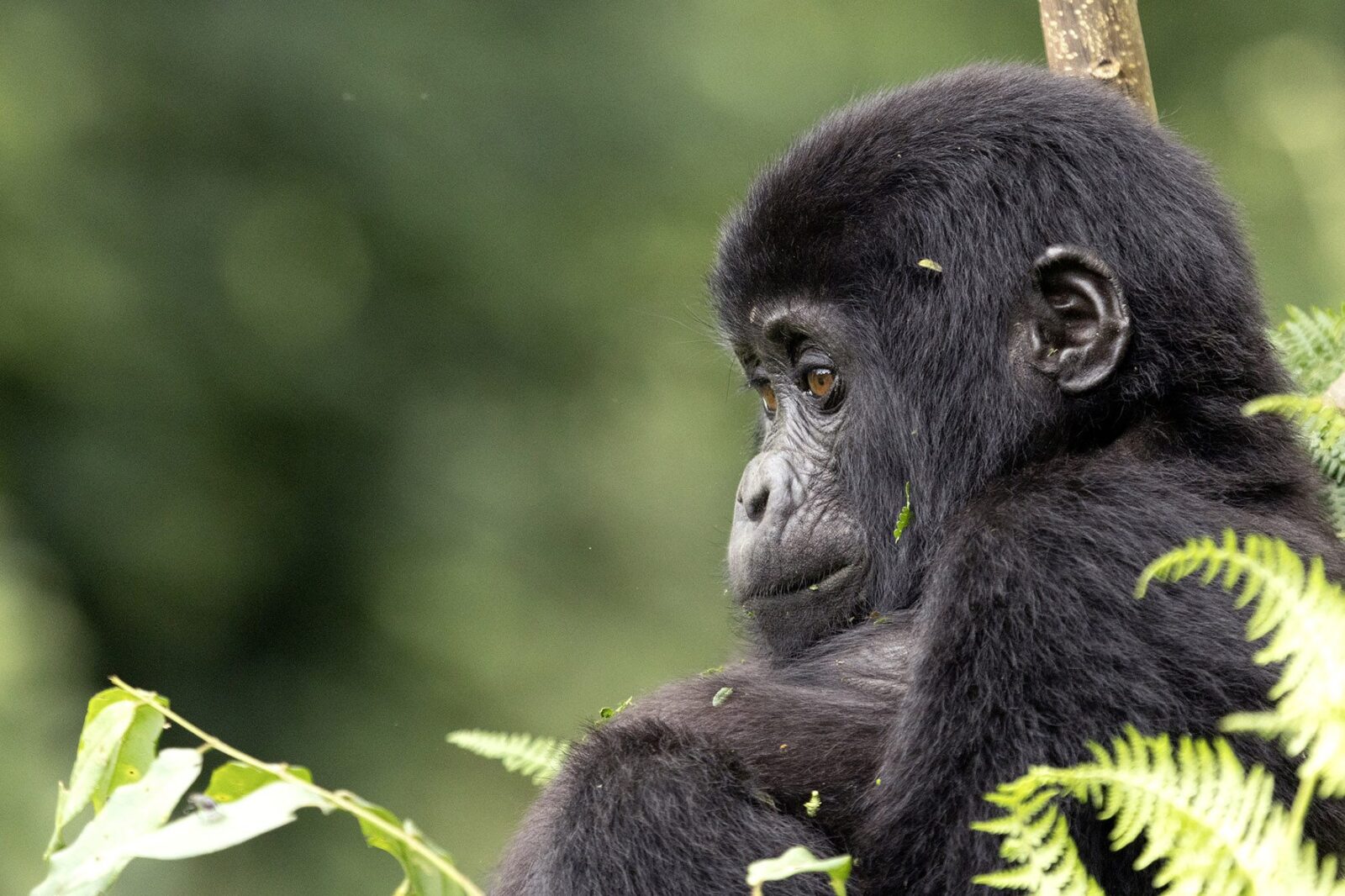
Gorilla Safari Fitness Test: How Fit Do You Actually Need to Be
A gorilla safari fitness test is less about athletic performance and more about real-world hiking capability in steep, humid rainforest terrain. In destinations such as Bwindi Impenetrable National Park and Mgahinga Gorilla National Park, fitness is not judged in a gym setting but in how well your body handles sustained walking, elevation gain, mud, and unpredictable forest conditions.
Many travelers overestimate or underestimate the physical demand. The reality sits in the middle: you do not need to be an athlete, but you do need functional endurance and basic strength endurance.
What Gorilla Trekking Actually Demands Physically
Gorilla trekking is a guided forest expedition, not a short hike. The duration is unpredictable and depends entirely on where the gorilla family is located that day.
You may experience:
Continuous uphill walking on steep slopes
Slippery, muddy, and uneven terrain
Dense vegetation requiring slow movement and balance
Variable altitude conditions that affect breathing and stamina
Once gorillas are located, you stop and observe, but getting there is the real physical challenge.
The Real Fitness Requirements (Not Gym Fitness)
Fitness for gorilla trekking is not about lifting heavy weights or running fast. It is about three core capabilities:
Cardiovascular Endurance
You need the ability to walk steadily for several hours without excessive fatigue. This is the most important requirement.
If you can comfortably walk uphill for 2–4 hours at a moderate pace, you are already within the required range.
Leg Strength Endurance
Strong legs matter more than upper body strength. You will be climbing, descending, and stabilizing your body on uneven terrain.
This is continuous effort, not explosive strength.
Balance and Joint Stability
Bwindi terrain is unstable. Roots, mud, and slopes require good ankle and knee stability. Poor balance increases fatigue and risk of slipping.
The Simple Gorilla Safari Fitness Test
You can self-assess readiness using a practical field-style test rather than gym metrics.
The 3-Hour Walk Test
Walk continuously for 3 hours on mixed terrain (preferably hills or uneven ground). You should be able to:
Maintain a steady pace
Talk without excessive breathlessness
Finish without extreme fatigue
If this feels manageable, you are well-prepared.
The Hill Climb Test
Walk uphill for 30–60 minutes at a steady pace. The goal is to simulate forest ascent conditions.
You should be able to recover within a reasonable time after finishing.
The Stair Endurance Test
If outdoor hills are not available, use stairs:
Continuous climbing for 20–30 minutes
Controlled pace, not sprinting
Minimal knee discomfort afterward
This simulates steep Bwindi sections.
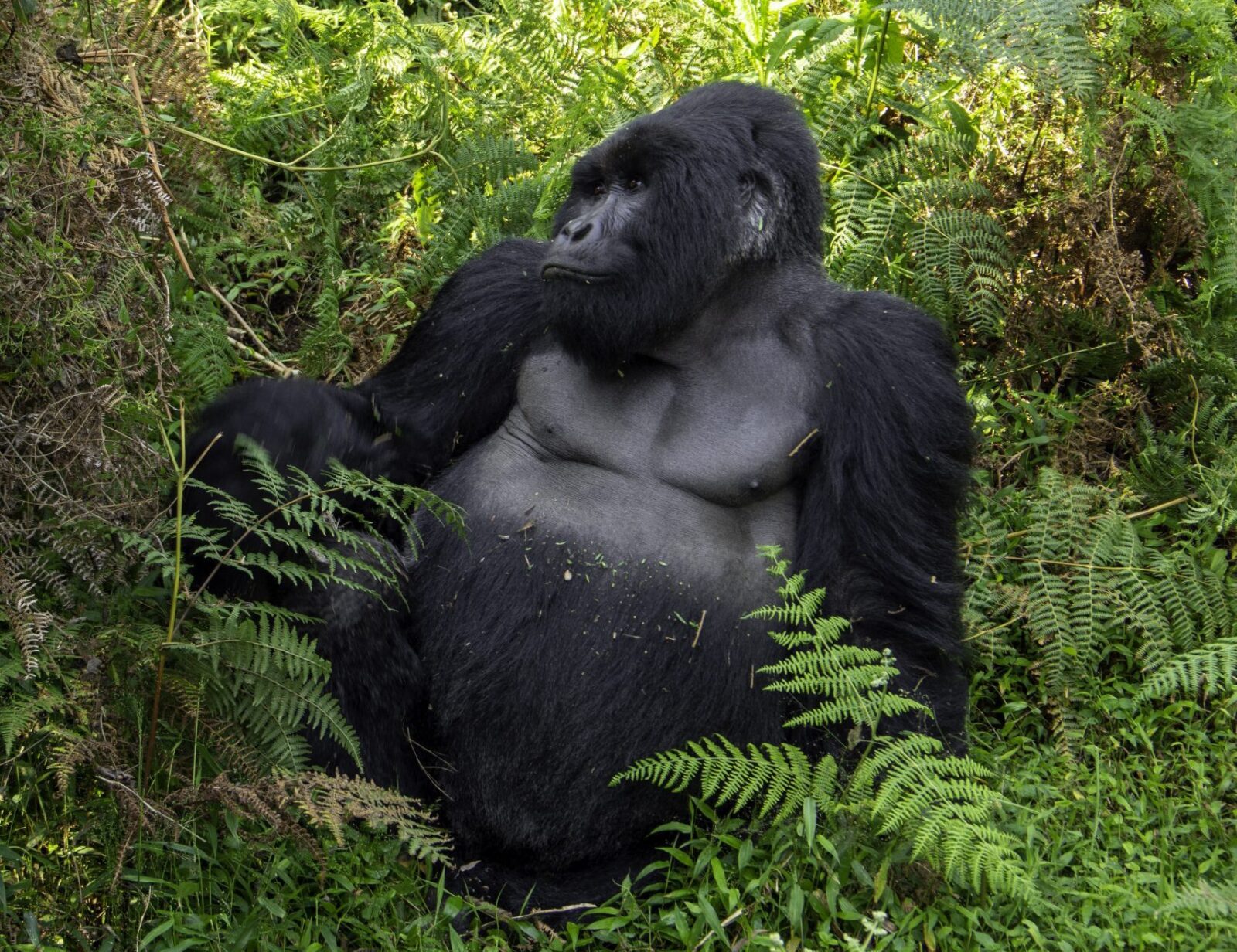
What “Fit Enough” Actually Means
You do not need peak athletic conditioning. Instead, you should meet these practical benchmarks:
You can walk 10–15 kilometers in a day without exhaustion
You can climb stairs repeatedly without severe fatigue
You recover within 24 hours from moderate hiking
You can carry a light backpack for several hours comfortably
This level of fitness is sufficient for most gorilla treks.
Who Struggles Most on Gorilla Treks
Not all difficulty is related to fitness level. However, common challenges occur for people who:
Do no regular walking or hiking
Avoid hills or stairs in daily life
Have low knee or ankle stability
Are unaccustomed to humid environments
Have low cardiovascular endurance
Even reasonably fit individuals can struggle if they are not used to continuous uphill movement.
How Terrain Affects Fitness Demands
Fitness requirements change depending on gorilla location.
Short treks: Moderate walking, often 1–2 hours
Medium treks: 2–4 hours with sustained incline
Long treks: 4–6+ hours with steep and muddy terrain
Bwindi terrain is especially demanding because elevation changes are frequent and unpredictable.
Fitness Is About Efficiency, Not Speed
One of the biggest misconceptions is that faster is better. In reality, gorilla trekking is about pacing.
Efficient trekkers:
Walk steadily without rushing
Conserve energy for steep sections
Avoid unnecessary stopping and starting
Maintain rhythm over long distances
Energy management is more important than speed.
Preparing Your Body for Real Conditions
Training should focus on real movement patterns rather than isolated exercises.
Best preparation activities include:
Brisk walking on hills
Long hikes on uneven ground
Stair climbing sessions
Light strength training for legs and core
Consistency matters more than intensity.
Mental Fitness Is Equally Important
Physical ability alone is not enough. Gorilla trekking also requires patience and mental resilience.
You may walk for hours without seeing gorillas. Conditions may be wet, muddy, or tiring. Mental readiness helps you maintain focus and motivation.
People who stay calm and adaptable tend to enjoy the experience more, regardless of physical effort.
Signs You Are Ready for Gorilla Trekking
You are likely ready if:
You can hike for several hours without distress
You recover quickly after moderate exertion
You are comfortable walking on uneven terrain
You can manage mild fatigue without stopping frequently
If these conditions are met, the trek will be challenging but very manageable.
Final Perspective
A gorilla safari does not require elite fitness, but it does require practical hiking readiness. In Bwindi Impenetrable National Park and Mgahinga Gorilla National Park, the real test is your ability to move steadily through steep, wet, and unpredictable rainforest terrain.
The goal is not athletic performance-it is endurance, stability, and pacing. If you can walk for several hours on uneven ground without excessive fatigue, you are fit enough to complete a gorilla trek and fully enjoy one of the most powerful wildlife encounters in the world.