
Gorilla Safari Lodge Solar Power: Off-Grid Stays Explained (2026 Guide)
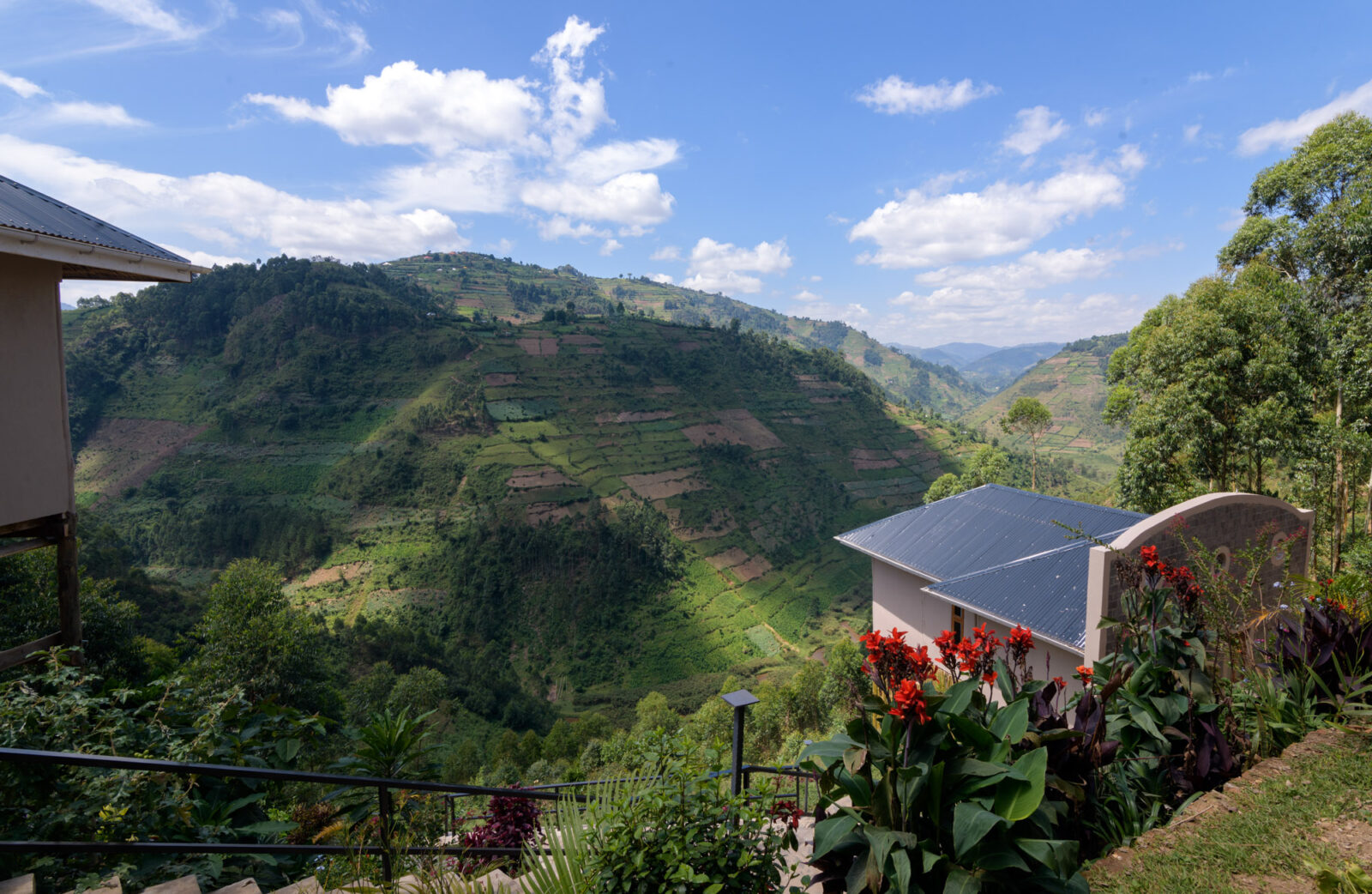
Gorilla safari lodges in Uganda and Rwanda are often located in remote forest environments where access to national electricity grids is limited or nonexistent. To operate sustainably in these sensitive ecosystems, many lodges rely on solar power systems, creating fully or partially off-grid stays that balance comfort with environmental responsibility. Around key trekking destinations like Bwindi Impenetrable National Park and Volcanoes National Park, solar energy has become a standard feature rather than an exception.
Understanding how solar-powered lodges work helps set realistic expectations while also highlighting why they are an essential part of sustainable gorilla tourism.
Why Gorilla Lodges Use Solar Power
The primary reason is location. Gorilla trekking areas are deep within protected forests, far from urban infrastructure. Extending national power lines into these environments would be both expensive and environmentally disruptive.
Solar power offers a practical alternative. It allows lodges to operate independently while reducing reliance on diesel generators, which are noisy, costly, and environmentally harmful.
Using solar energy also aligns with conservation goals. Gorilla habitats are fragile ecosystems, and minimizing emissions, noise, and habitat disturbance is critical for long-term protection.
How Solar Power Systems Work in Safari Lodges
Most gorilla lodges use a hybrid solar system.
Solar panels capture energy during the day and store it in battery banks. This stored energy is then used to power the lodge at night. In some cases, backup generators are used during periods of low sunlight, especially in rainy seasons.
Power is typically distributed to:
Room lighting
Charging points for devices
Dining and lounge areas
Hot water systems (often solar-heated)
Because energy is stored rather than unlimited, lodges carefully manage consumption to ensure consistent supply.
What “Off-Grid” Really Means for Guests
Off-grid does not mean uncomfortable. Most mid-range and luxury lodges provide a high level of comfort while operating on solar systems.
However, there are differences compared to city hotels:
Electricity may be available 24 hours but with usage limits
High-power appliances like hairdryers are usually not supported
Wi-Fi may be limited or only available in common areas
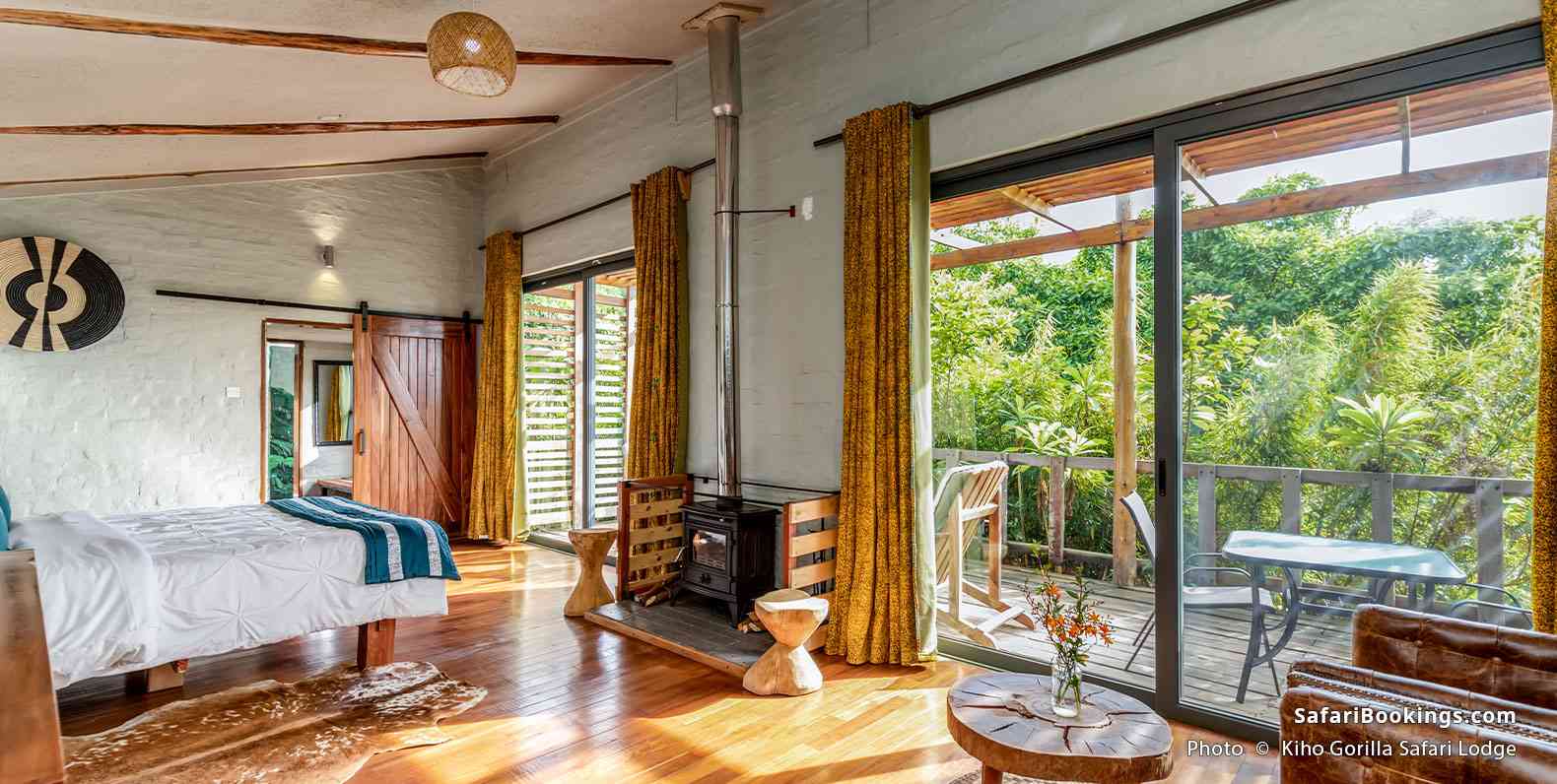
Heating systems rely on natural insulation or fireplaces rather than electric heaters
The experience is designed to be comfortable but energy-conscious.
Types of Solar-Powered Gorilla Lodges
Fully Off-Grid Eco-Lodges
These lodges rely almost entirely on solar power with minimal or no generator backup. They are designed with sustainability as a core principle, often using local materials and low-impact construction.
Hybrid Luxury Lodges
High-end lodges combine solar power with backup generators to ensure uninterrupted service. Guests enjoy premium amenities while still benefiting from reduced environmental impact.
Mid-Range Sustainable Camps
These camps balance affordability with eco-conscious design. Solar power supports basic comfort levels while keeping costs manageable.
Benefits of Solar-Powered Gorilla Lodges
The advantages extend beyond environmental impact.
Solar lodges offer:
Quiet environments without generator noise
Reduced carbon footprint
Lower environmental disturbance in sensitive habitats
A more authentic wilderness experience
For many travelers, the absence of constant mechanical noise enhances the sense of being immersed in nature.
Challenges of Solar Power in Forest Environments
Operating solar systems in rainforest regions comes with limitations.
Frequent cloud cover and heavy rainfall can reduce energy generation. Dense forest canopy can also limit sunlight exposure, requiring careful placement of solar panels.
To manage this, lodges invest in large battery storage systems and energy-efficient appliances. Backup generators are often used strategically to maintain reliability.
Guest Expectations and Practical Tips
When staying at a solar-powered gorilla lodge, it helps to adjust expectations slightly.
Charge devices during the day when solar generation is highest. Avoid bringing high-energy appliances. Use power responsibly, especially during peak evening hours.
Pack essentials such as:
Power banks for backup charging
Headlamps or small torches
Warm clothing for cool forest evenings
These small adjustments ensure a smooth and comfortable stay.
Solar Power and Conservation Impact
Solar-powered lodges play a direct role in conservation.
Tourism revenue from these lodges also supports park management, anti-poaching efforts, and community development programs around gorilla habitats.
The Experience Beyond Electricity
One of the unexpected benefits of staying in an off-grid lodge is the shift in perspective.
Without constant reliance on electricity, evenings become quieter and more connected to the natural environment. Guests often spend more time around fireplaces, sharing stories, or listening to forest sounds.
This slower pace complements the gorilla trekking experience, which is itself rooted in patience, observation, and respect for nature.
Solar-powered gorilla safari lodges represent a practical and necessary evolution in sustainable tourism. In remote areas like Bwindi Impenetrable National Park and Volcanoes National Park, they provide reliable comfort while protecting fragile ecosystems.
Off-grid does not mean compromise-it means operating differently, with a focus on balance between human experience and environmental preservation.
For travelers, staying in a solar-powered lodge is not just about accommodation. It is part of the broader conservation story that makes gorilla trekking possible in the first place.