
Gorilla Safaris vs Lion Safari: Which Wildlife Encounter Wins?
Understanding the Difference Between Gorilla Safaris and Lion Safaris
Few wildlife experiences in Africa generate as much excitement as gorilla trekking and lion safaris. Both are iconic, emotionally powerful, and globally recognized safari activities, yet they are completely different experiences in terms of environment, atmosphere, physical demands, and emotional impact.
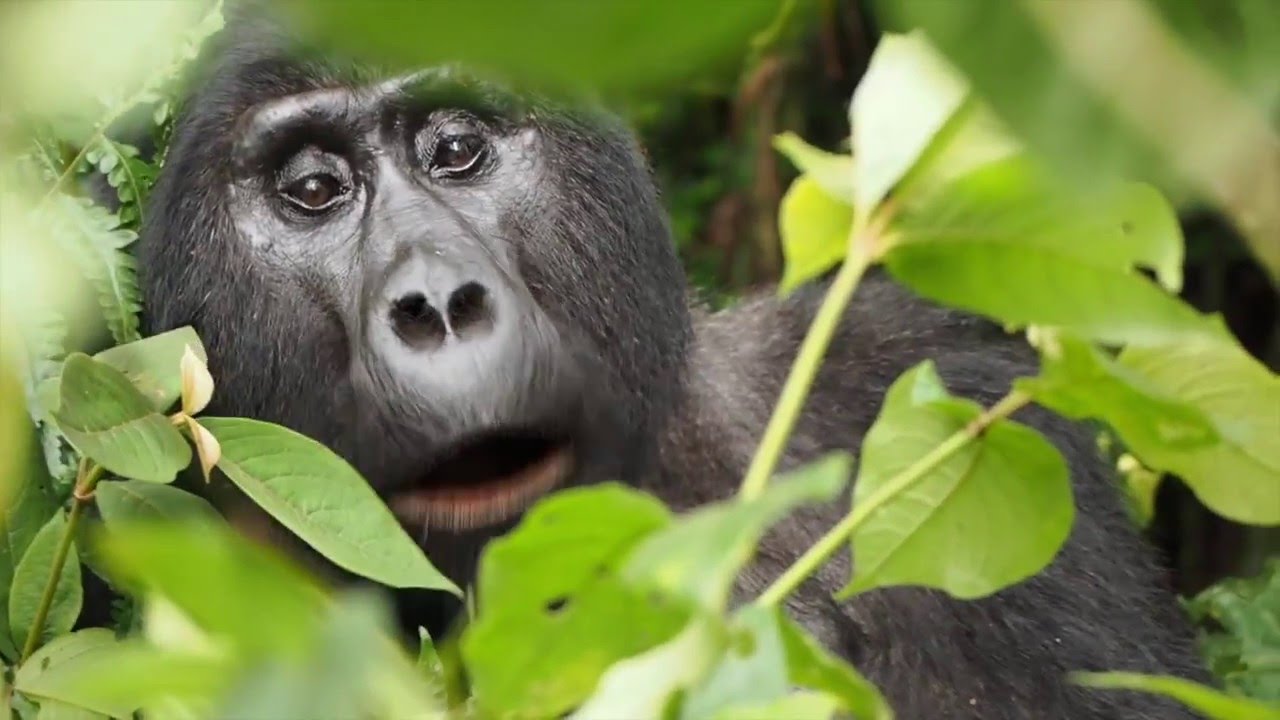
A gorilla safari focuses on trekking through tropical mountain forests to spend time with endangered mountain gorillas in their natural habitat. This experience is mainly associated with countries such as Rwanda, Uganda, and the Democratic Republic of Congo.
A lion safari, on the other hand, usually takes place in open savannah ecosystems where visitors search for lions during game drives. These safaris are common in destinations such as Kenya, Tanzania, Botswana, and South Africa.
Choosing between the two depends on what kind of wildlife experience a traveler values most. Some people seek intimacy and emotional connection, while others prefer dramatic predator action and classic African safari scenery.
The Emotional Experience: Gorilla Trekking’s Greatest Strength
One of the reasons gorilla safaris are often described as life-changing is the emotional intensity of the encounter. Mountain gorillas share approximately 98 percent of their DNA with humans, and their behavior feels deeply familiar.
When trekkers finally locate a gorilla family in the forest, the atmosphere becomes unusually quiet and personal. Visitors observe mothers caring for infants, juveniles playing, silverbacks watching protectively over the group, and individuals interacting in remarkably human-like ways.
The close proximity allowed during trekking creates a powerful sense of connection. Many travelers describe the experience as humbling, emotional, and deeply memorable in a way that differs from traditional wildlife viewing.
Unlike many safari experiences where animals are viewed from a distance, gorilla trekking feels immersive and intimate.
The Drama and Excitement of Lion Safaris
Lion safaris offer a completely different type of thrill. Lions represent raw power, dominance, and the drama of predator-prey interactions. Seeing a pride resting beneath acacia trees or watching a hunt unfold on the savannah creates intense excitement and anticipation.
Lion safaris are heavily associated with the classic African safari image. Open grasslands, golden sunsets, safari vehicles, and large predators create the cinematic atmosphere many travelers imagine when they think of Africa.
Unlike gorilla trekking, lion safaris often include encounters with many other animals during the same game drive. Elephants, giraffes, zebras, leopards, buffaloes, cheetahs, and antelopes are commonly seen alongside lions in major safari ecosystems.
This diversity adds variety and unpredictability to every drive.
Wildlife Viewing Style and Environment
The environments for these two safari types are dramatically different.
Gorilla safaris take place in dense montane rainforests characterized by mist-covered mountains, thick vegetation, bamboo forests, and volcanic landscapes. The trekking process itself becomes part of the adventure as visitors hike through rugged terrain searching for gorilla families.
The forest environment feels enclosed, mysterious, and immersive.
Lion safaris occur mainly in open ecosystems such as savannahs, plains, and semi-arid landscapes. Visibility is often much greater, allowing travelers to observe wildlife over large distances.
The openness of lion safari landscapes creates a very different mood compared to the intimate forest setting of gorilla trekking.
Physical Demands and Accessibility
One of the biggest differences between the two experiences is physical difficulty.
Gorilla trekking can be physically demanding. Trekkers may hike for several hours through muddy, steep, and high-altitude terrain before locating the gorillas. Weather conditions can also add to the challenge, especially during rainy seasons.
Fitness levels matter more during gorilla trekking than on most lion safaris.
Lion safaris are generally far more accessible because wildlife viewing happens from vehicles. Travelers spend most of their time seated comfortably during game drives, making lion safaris suitable for a wider range of ages and physical abilities.
For travelers seeking adventure and active participation, gorilla trekking may feel more rewarding. For those preferring comfort and easier mobility, lion safaris are usually more practical.
Wildlife Density and Predictability
Lion safaris often provide a higher volume of wildlife sightings overall. In major safari destinations like the Serengeti or Masai Mara, visitors can see dozens of species within a single day.
Game drives offer constant variety and movement, with opportunities to observe predator behavior, migrations, and interactions between animals.
Gorilla trekking is more specialized and focused. The primary goal is finding one habituated gorilla family, and the experience revolves around that single encounter.
However, while lion safaris offer greater wildlife diversity, gorilla encounters are generally more emotionally concentrated and personal.
Photography Opportunities
Photographers often approach these safaris differently.
Lion safaris provide opportunities for dramatic landscape photography, predator action shots, and golden-hour wildlife scenes. The open terrain and changing light conditions can produce spectacular images.
Gorilla photography is more challenging due to low forest light, dense vegetation, and close-range conditions. However, the emotional depth and facial expressions captured during gorilla encounters can be incredibly powerful.
Each safari appeals to different photographic styles and creative interests.
Conservation Importance
Both experiences play major roles in African conservation.
Gorilla tourism directly funds mountain gorilla protection, anti-poaching operations, veterinary care, and community development projects. The survival of mountain gorillas is closely tied to regulated tourism revenue.
Lion safaris support conservation on a much larger landscape scale. Revenue from safari tourism helps protect vast ecosystems that support not only lions but entire wildlife populations and migration systems.
Both safari models demonstrate how tourism can create financial incentives for wildlife protection.
Cost Comparison
Gorilla safaris are usually significantly more expensive than lion safaris, primarily because gorilla permits are highly restricted and conservation-focused.
A single gorilla permit in Rwanda can cost around $1,500 per person, while Uganda offers lower-priced permits. These fees are separate from accommodation and transportation costs.
Lion safaris vary greatly depending on destination, accommodation level, and season. Budget camping safaris can be relatively affordable, while luxury private safaris may become extremely expensive.
In general, lion safaris offer more pricing flexibility than gorilla trekking.
Which Safari Is Better for Families?
Lion safaris are usually better suited for families with younger children because they require less physical exertion and offer continuous wildlife viewing.
Gorilla trekking often has minimum age restrictions, commonly around 15 years old, due to safety and physical demands.
Families seeking easier logistics and broader wildlife exposure often prefer traditional safari experiences focused on lions and other big game.
The Uniqueness Factor
Gorilla trekking is one of the rarest wildlife encounters in the world. Mountain gorillas exist only in a small region of East and Central Africa, making the experience highly exclusive and conservation-sensitive.
Lion safaris, while iconic, are more widely available across Africa. Lions can be seen in numerous national parks and reserves across multiple countries.
This rarity gives gorilla trekking a unique prestige and emotional exclusivity.
Which Wildlife Encounter Wins?
The answer depends entirely on what a traveler values most.
Gorilla safaris often win in terms of emotional depth, intimacy, rarity, and personal connection. They appeal strongly to travelers seeking transformative wildlife encounters and active adventure experiences.
Lion safaris usually win in terms of excitement, diversity, accessibility, classic safari atmosphere, and overall wildlife volume. They are ideal for travelers wanting dramatic predator encounters and broad ecosystem exploration.
For many experienced safari travelers, the ultimate answer is not choosing one over the other but experiencing both. Together, they represent two completely different yet equally extraordinary sides of Africa’s wildlife heritage.
Gorilla safaris and lion safaris are among Africa’s greatest wildlife experiences, but they deliver completely different emotions and memories. Gorilla trekking offers intimacy, human connection, and rainforest adventure, while lion safaris provide excitement, predator drama, and the classic African wilderness experience.
Neither is objectively better for every traveler. The best choice depends on personal interests, physical ability, budget, and the kind of safari story someone wants to tell after returning home.