
Gorilla Safaris vs Elephant Safari: Two of Africa’s Greatest Encounters
Africa’s Most Powerful Wildlife Experiences Compared
Africa offers countless wildlife experiences, but few compare to the emotional intensity of gorilla trekking and the awe-inspiring presence of elephants in the wild. These are two of the continent’s most iconic safari encounters, each delivering a completely different atmosphere, landscape, and connection with nature.
A gorilla safari centers around trekking through dense mountain forests in search of endangered mountain gorillas, mainly in Uganda, Rwanda, and the Democratic Republic of Congo. The experience is intimate, quiet, and deeply emotional.
An elephant safari takes place primarily in savannahs, wetlands, and woodland ecosystems across countries such as Kenya, Tanzania, Botswana, Zimbabwe, and South Africa. It focuses on observing the largest land mammals on Earth in open landscapes where their scale and social behavior become truly unforgettable.
Both safaris are extraordinary, yet they appeal to travelers in very different ways.
The Emotional Connection: Gorilla Safaris Feel Deeply Personal
One of the defining characteristics of gorilla trekking is the emotional connection travelers feel during the encounter. Mountain gorillas share remarkably human-like expressions, behaviors, and family interactions.
Watching a silverback calmly observe visitors, seeing mothers nurture infants, or witnessing juveniles play together creates a powerful emotional response. Many travelers describe the experience as humbling and transformative because of the sense of intelligence and familiarity reflected in the gorillas’ eyes and behavior.
The setting also contributes to the intensity of the moment. Trekking through misty rainforest terrain builds anticipation, and the final encounter often happens quietly at close range.
Unlike many wildlife experiences where animals are observed from a distance, gorilla trekking feels highly personal and immersive.
Elephant Safaris Deliver Scale, Majesty, and Wild Freedom
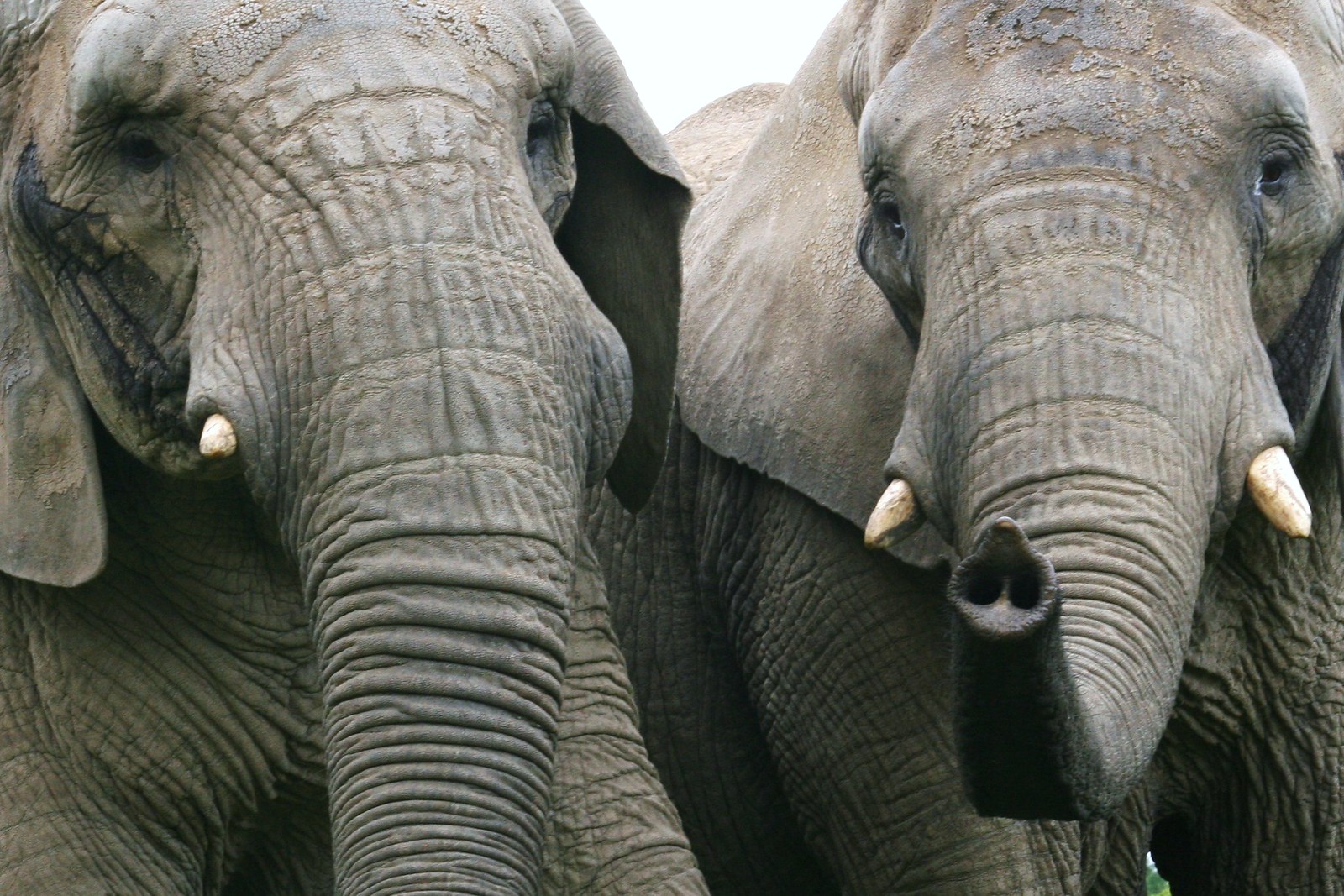
Elephant safaris create a different kind of emotional impact. Instead of intimacy, the dominant feeling is awe.
African elephants are enormous, intelligent, and socially complex animals that command attention simply through their presence. Watching large herds move across open plains or silently through forests creates a sense of witnessing one of nature’s greatest spectacles.
Elephants display strong social bonds, protective maternal behavior, and remarkable memory. Observing these interactions gives travelers insight into the emotional intelligence of these animals.
Unlike gorilla encounters, elephant sightings often occur in expansive landscapes where the surrounding environment becomes part of the experience. Massive herds crossing rivers, dust-covered elephants at sunset, or bulls walking through golden savannah grass create some of Africa’s most iconic safari scenes.
Habitat and Landscape Differences
The environments for these safaris are completely different and shape the overall experience.
Gorilla safaris occur in tropical montane forests characterized by steep slopes, bamboo vegetation, volcanic mountains, and dense rainforest. The atmosphere is cool, misty, and enclosed. Visibility is limited by vegetation, making each encounter feel sudden and intimate.
The forest environment also creates a strong sense of adventure because visitors must physically trek through rugged terrain to find the gorillas.
Elephant safaris usually take place in open ecosystems such as savannahs, floodplains, woodlands, and wetlands. These landscapes offer sweeping views and dramatic scenery that define the classic African safari experience.
Destinations like the Okavango Delta, Amboseli, Chobe, and Tarangire are globally famous for large elephant populations and spectacular landscapes.
Physical Demands and Safari Style
Gorilla trekking is physically demanding. Visitors may hike for several hours through muddy, steep, and high-altitude terrain before locating the gorillas. Weather conditions can further increase the challenge, especially during rainy seasons.
This makes gorilla safaris more adventurous and physically engaging.
Elephant safaris are generally much more relaxed. Most viewing takes place from safari vehicles, boats, or guided walking safaris in some destinations. Travelers can enjoy long hours of wildlife observation without strenuous hiking.
As a result, elephant safaris are often more suitable for:
- Families with children
- Older travelers
- Visitors seeking comfort-focused safaris
- Travelers with limited mobility
Wildlife Diversity During the Safari
One major advantage of elephant safaris is the overall wildlife diversity encountered during the experience.
Elephants are usually part of broader safari ecosystems that include:
- Lions
- Leopards
- Buffaloes
- Giraffes
- Zebras
- Antelopes
- Hippos
- Crocodiles
- Numerous bird species
This creates a constantly changing safari experience with multiple wildlife sightings throughout the day.
Gorilla safaris are much more specialized. The primary focus is locating one gorilla family. Although visitors may encounter monkeys, birds, forest elephants, or other wildlife during the trek, the experience revolves almost entirely around the gorillas.
Photography Experience
Photographers often find both experiences rewarding for different reasons.
Gorilla photography focuses heavily on emotion, facial expressions, and close-up wildlife portraits. The challenge comes from low forest lighting and dense vegetation, which can make capturing sharp images difficult.
Elephant safaris provide opportunities for dramatic landscape compositions and action scenes. Open environments and natural lighting conditions allow photographers to capture silhouettes, dust clouds, herd movement, and interactions with other wildlife.
The visual storytelling possibilities are broader during elephant safaris because of the open landscapes and greater variety of animal behavior.
Conservation Importance
Both safari types contribute significantly to African wildlife conservation.
Gorilla tourism has become one of the world’s leading examples of conservation through sustainable tourism. Revenue from gorilla permits directly supports:
- Anti-poaching patrols
- Habitat protection
- Veterinary care
- Community development
- Ranger operations
Mountain gorillas have experienced population recovery partly because local communities benefit economically from protecting them.
Elephant safaris also play a major conservation role, especially in protecting large ecosystems and migration corridors. Tourism revenue helps fund wildlife reserves and anti-poaching operations that protect elephants from ivory trafficking and habitat destruction.
Cost Comparison
Gorilla safaris are generally among the most expensive wildlife experiences in Africa. Gorilla permits alone can cost hundreds or thousands of dollars depending on the country.
Accommodation near gorilla trekking areas is also often positioned toward the mid-range and luxury tourism market.
Elephant safaris offer a much wider price range. Travelers can choose from:
- Budget camping safaris
- Mid-range lodge safaris
- Luxury tented camps
- Ultra-exclusive private reserves
This flexibility makes elephant safaris accessible to a broader range of travelers.
Which Safari Offers More Adventure?
Gorilla trekking usually feels more adventurous because visitors actively hike through wild forest terrain searching for gorillas. The unpredictability, physical effort, and remote environment create a strong expedition-like atmosphere.
Elephant safaris feel more relaxed but can still be thrilling, especially during close encounters in walking safaris or boat safaris where elephants may approach surprisingly close.
The sense of adventure ultimately depends on whether a traveler prefers physical exploration or observational safari experiences.
The Uniqueness Factor
Mountain gorillas are extremely rare and exist only in limited regions of East and Central Africa. This exclusivity gives gorilla safaris a strong sense of rarity and privilege.
Elephants, while still threatened in some regions, are more widely distributed across Africa. Elephant safaris are therefore easier to access and can be incorporated into many broader safari itineraries.
However, the scale and presence of elephants make them unforgettable regardless of how common sightings may be.
Which Encounter Wins?
There is no universal winner because the experiences are fundamentally different.
Gorilla safaris often win for:
- Emotional connection
- Intimacy
- Adventure
- Rarity
- Transformational impact
Elephant safaris often win for:
- Scenic beauty
- Wildlife diversity
- Accessibility
- Classic safari atmosphere
- Photographic opportunities
For many travelers, the ideal African safari includes both experiences because they represent two very different sides of the continent’s wildlife heritage.
Gorilla safaris and elephant safaris are among Africa’s greatest wildlife encounters, but they deliver completely different emotions and memories. Gorilla trekking offers intimacy, rainforest adventure, and profound emotional connection, while elephant safaris provide scale, majesty, and the timeless beauty of Africa’s open wilderness.
Rather than competing against each other, these experiences complement one another. Together, they showcase the incredible diversity of Africa’s wildlife and the many ways humans can connect with nature in its purest form.