
Gorilla Safaris vs Whale Safari: Two Ultimate Wildlife Experiences
Comparing Two of the World’s Most Extraordinary Wildlife Encounters
Few wildlife experiences on Earth match the emotional intensity and natural wonder of gorilla safaris and whale safaris. Both offer rare opportunities to encounter some of the planet’s most magnificent animals in their natural environments, yet the experiences are completely different in atmosphere, setting, movement, and emotional impact.
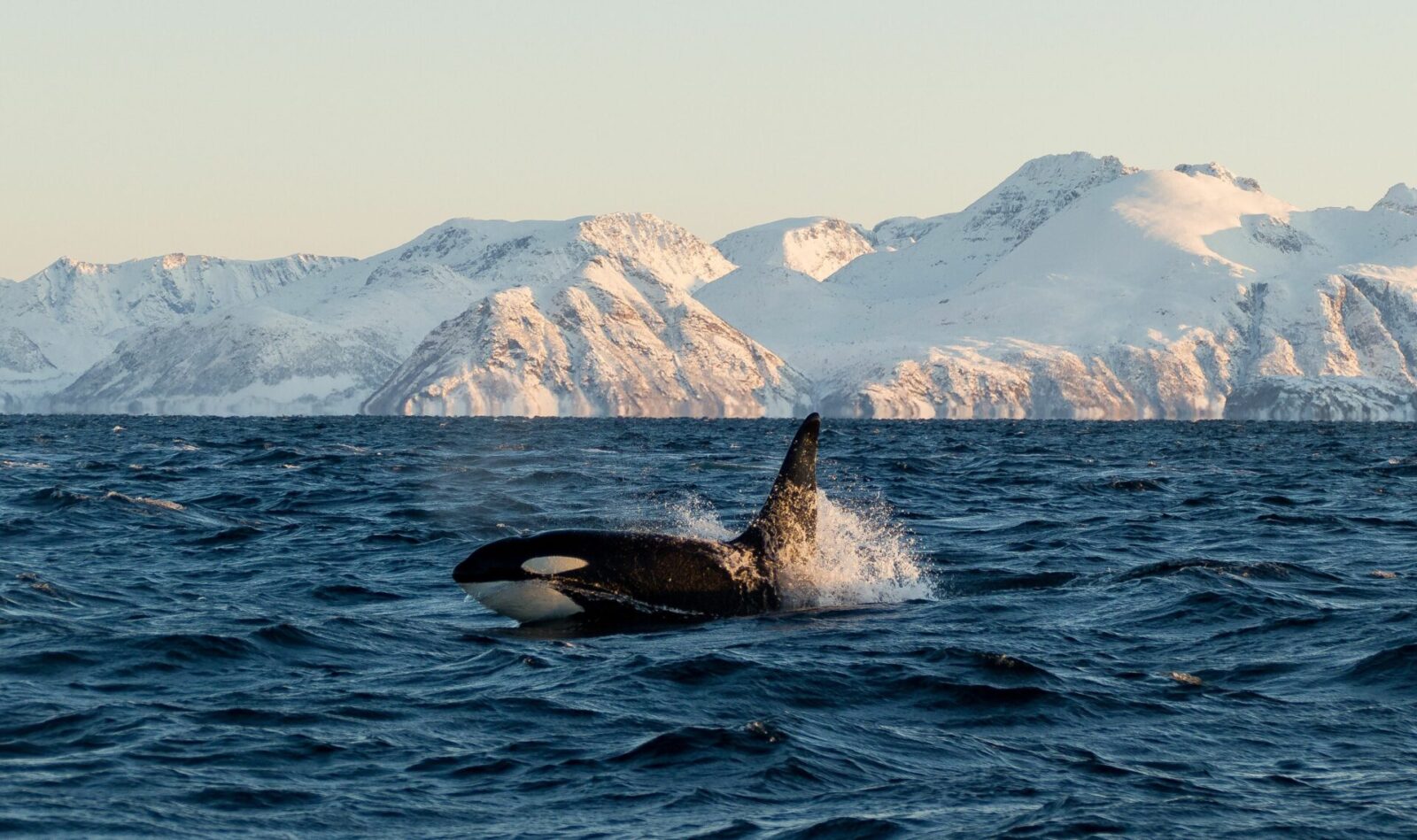
A gorilla safari involves trekking through dense tropical forests to spend time with endangered mountain gorillas in the mountains of East and Central Africa. A whale safari, often called whale watching, takes place in oceans and coastal waters where travelers search for giant marine mammals such as humpback whales, blue whales, sperm whales, or orcas.
One experience unfolds deep in misty mountain forests while the other happens across vast open seas. One is intimate and quiet while the other feels enormous, dramatic, and unpredictable. Both rank among the greatest wildlife encounters available anywhere in the world.
The Emotional Impact of Gorilla Safaris
Gorilla trekking is widely considered one of the most emotional wildlife experiences because of the close connection humans feel with mountain gorillas. These primates share nearly 98 percent of human DNA, and their expressions, gestures, and family interactions often feel remarkably familiar.
The experience begins with a trek through thick rainforest terrain. Visitors hike through bamboo forests, muddy trails, and volcanic slopes guided by trackers and rangers searching for a habituated gorilla family.
The moment the gorillas are found is usually quiet and deeply immersive. Trekkers observe silverbacks protecting their families, mothers carrying infants, and young gorillas playing among vegetation. The closeness allowed during the encounter creates a powerful sense of connection rarely experienced in wildlife tourism.
Many travelers describe gorilla trekking as humbling, emotional, and transformative because it feels less like observing animals and more like briefly entering another intelligent social world.
Whale Safaris Deliver Awe on an Enormous Scale
Whale safaris create a very different kind of emotional response. Instead of intimacy, the dominant feeling is awe at sheer size and power.
Whales are the largest animals ever known to exist on Earth, and seeing one emerge from the ocean creates a sense of scale that is difficult to fully comprehend. Watching a humpback whale breach, hearing the blow from a surfacing whale, or seeing the tail of a giant disappear beneath the water leaves a lasting impression.
Unlike gorilla encounters that happen at close range in still environments, whale safaris are dynamic and constantly changing. Ocean conditions, weather, migration patterns, and whale behavior all influence the experience.
The unpredictability becomes part of the excitement. Every surfacing, breach, or tail slap feels dramatic because it happens against the vastness of the open sea.
Environment and Atmosphere
The settings for these two wildlife experiences could hardly be more different.
Gorilla safaris take place in cool mountain rainforests with thick vegetation, volcanic landscapes, mist-covered slopes, and enclosed natural environments. The atmosphere is calm, quiet, and immersive. Forest sounds, bird calls, and rustling vegetation create a strong feeling of isolation from the modern world.
Whale safaris occur in open marine environments where the horizon stretches endlessly across oceans or coastal waters. Wind, waves, sea spray, and changing weather conditions create a much more expansive and dramatic atmosphere.
One experience feels intimate and hidden while the other feels vast and limitless.
Physical Demands and Accessibility
Gorilla trekking is physically demanding. Trekkers may spend several hours hiking through steep and muddy terrain at high altitude before finding the gorillas. The difficulty level varies depending on the gorilla family’s location, weather conditions, and trail conditions.
This makes gorilla safaris more adventurous and physically engaging.
Whale safaris are generally much easier physically. Most whale watching takes place from boats, allowing travelers to observe whales without strenuous activity. This makes whale safaris suitable for a broader range of ages and fitness levels.
However, rough seas can create challenges such as seasickness, especially during longer ocean excursions.
Wildlife Interaction and Viewing Style
Gorilla safaris focus almost entirely on a single wildlife encounter. Once the gorilla family is located, visitors usually spend one hour observing them at relatively close range.
The experience is slow, observational, and emotionally focused.
Whale safaris are more unpredictable and movement-based. Whales surface briefly before disappearing underwater again, sometimes for several minutes. This creates a sense of anticipation and excitement throughout the excursion.
Different whale species also display different behaviors. Humpback whales are famous for breaching and acrobatic displays, while sperm whales are known for deep diving and powerful tail movements.
Because whale sightings happen across open water, the experience often feels more cinematic and dramatic than gorilla trekking.
Photography Opportunities
Both experiences are highly rewarding for photographers, though in different ways.
Gorilla photography focuses on emotion, detail, and close-range portrait-style wildlife images. Capturing the eyes, facial expressions, and family interactions of gorillas creates deeply emotional photographs.
However, low forest lighting and dense vegetation make photography technically challenging.
Whale photography focuses on action, scale, and timing. Photographers aim to capture breaches, tail slaps, and dramatic ocean scenes. Lighting conditions are often better on the open water, but the unpredictability of whale movement requires patience and quick reactions.
Each safari rewards different photographic skills and artistic styles.
Conservation Significance
Both gorilla and whale tourism play major roles in conservation.
Gorilla trekking contributes directly to mountain gorilla protection through permit fees that fund:
- Anti-poaching patrols
- Habitat conservation
- Veterinary services
- Ranger salaries
- Community development
Without controlled tourism revenue, mountain gorilla conservation would be significantly more difficult.
Whale safaris also support marine conservation by creating economic value around living whales rather than commercial whaling. Whale watching industries encourage governments and communities to protect marine ecosystems and migration routes.
In many parts of the world, whale tourism has become an important alternative to destructive marine exploitation.
Cost and Travel Logistics
Gorilla safaris are generally expensive because of limited permit availability and conservation regulations. Travelers also need to reach relatively remote mountain regions in countries such as Uganda or Rwanda.
Whale safaris vary greatly in price depending on the destination and species involved. Some whale watching excursions are relatively affordable day trips, while specialized expeditions for species like blue whales or orcas can become very expensive.
In terms of accessibility, whale safaris are available in many more countries around the world, including Iceland, Norway, South Africa, Canada, Australia, and the United States.
Gorilla safaris are geographically far more restricted.
Which Experience Feels More Exclusive?
Gorilla trekking often feels more exclusive because mountain gorillas exist only in limited regions and permit numbers are tightly controlled.
Visitors usually trek in small groups, making the encounter feel private and highly personal.
Whale safaris can range from intimate small-boat experiences to larger commercial tours with many passengers. However, seeing giant whales in the wild still feels extraordinary regardless of group size.
Adventure Versus Relaxation
Gorilla safaris appeal strongly to travelers seeking active adventure. The hiking, remote terrain, and physical effort contribute to the feeling of accomplishment once the gorillas are found.
Whale safaris are generally more relaxed and observational. Travelers spend most of the experience seated or standing on boats while scanning the ocean for whale activity.
The choice depends partly on whether someone prefers physically immersive adventure or comfortable marine exploration.
Which Wildlife Experience Wins?
There is no universal answer because the experiences satisfy completely different emotional and travel desires.
Gorilla safaris often win for:
- Emotional depth
- Human connection
- Adventure
- Intimacy
- Rarity
Whale safaris often win for:
- Sheer scale and spectacle
- Ocean scenery
- Dramatic wildlife behavior
- Accessibility
- Sense of natural wonder
For many wildlife travelers, both experiences rank among the greatest encounters on Earth for entirely different reasons.
Gorilla safaris and whale safaris represent two extraordinary but contrasting wildlife experiences. Gorilla trekking offers close emotional encounters in dense rainforest environments, while whale safaris deliver breathtaking marine spectacles across vast open oceans.
One connects travelers to intelligent primates through intimacy and silence. The other inspires awe through the immense power and mystery of marine giants.
Together, they demonstrate the incredible diversity of life on Earth and the many different ways humans can experience wonder in the natural world.