
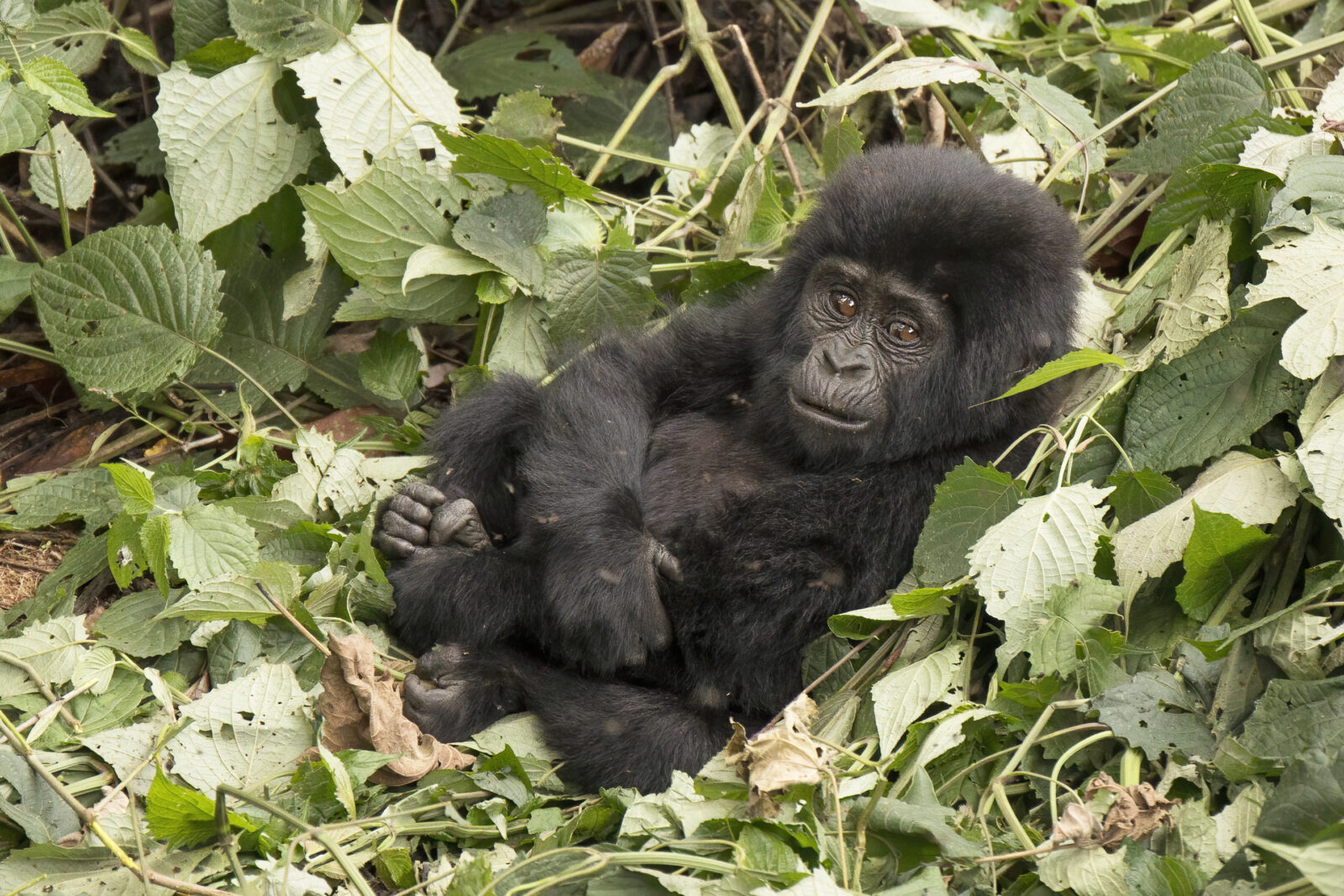
Uganda’s gorilla trekking parks maintain a specific minimum viewing distance policy set by the Uganda Wildlife Authority, and trekkers researching exactly how close they’ll genuinely get deserve a specific, honest answer rather than assuming the rule works identically everywhere in the region. How close can I get to the gorillas in Uganda deserves an answer grounded in this country’s specific regulatory approach.
This guide covers Uganda’s actual minimum viewing distance policy, how it’s genuinely enforced in Bwindi and Mgahinga, and what this means practically for your trek.
Why Uganda’s Distance Policy Deserves Its Own Specific Answer
Uganda Wildlife Authority sets and enforces viewing distance policy consistently across all Ugandan gorilla trekking sectors – Bwindi’s four sectors and Mgahinga alike – meaning this is genuinely a national, not sector-specific, answer worth understanding as one consistent policy.
The Short Answer: A Minimum of Seven Meters, Historically
Uganda’s historically cited minimum viewing distance is seven meters, though some more recent sources note a possible increase to ten meters as part of ongoing disease-prevention updates – worth confirming current guidance directly with your operator given this genuinely unresolved detail.
Why This Specific Distance Was Chosen
The minimum distance reflects genuine research into disease transmission risk between humans and gorillas, given their close genetic relationship, balanced against allowing a meaningful, close wildlife viewing experience – worth understanding this as a deliberate conservation and safety decision.
How This Distance Is Actually Measured and Enforced in Practice
Rangers genuinely use practical, real-time judgment to maintain appropriate spacing throughout your viewing hour, rather than measuring with precise instruments, worth understanding this as an actively managed guideline rather than a rigid, mechanically enforced boundary.
Why Gorillas Themselves Sometimes Close This Distance
Habituated gorillas genuinely sometimes choose to approach closer than the maintained minimum, driven by curiosity or natural movement, and when this happens, the correct response involves staying calm and following your guide’s direction rather than the distance rule being a strict physical barrier you maintain unilaterally.
How This Applies Consistently Across Bwindi’s Sectors
Whether you’re trekking Buhoma, Ruhija, Rushaga, or Nkuringo, the same national distance policy applies consistently, worth understanding that sector choice affects terrain and fitness demands but not this specific regulatory standard.
Why Mgahinga Follows the Same Uganda-Wide Standard
Mgahinga Gorilla National Park, though a separate park from Bwindi, falls under the same Uganda Wildlife Authority jurisdiction, meaning the identical distance policy applies here too – worth understanding this as one national standard rather than park-specific variation within Uganda.
What This Means for Your Actual Photography and Viewing Experience
Even at the maintained minimum distance, gorillas remain genuinely visible in remarkable detail, given the forest’s typically dense but navigable sightlines – worth understanding this distance still delivers a genuinely intimate, close encounter by any reasonable wildlife-viewing standard.
Why Rangers Prioritize Gorilla Welfare Over Rigid Distance Enforcement
Rangers genuinely prioritize reading the specific gorilla family’s behavior and comfort level over mechanically enforcing an exact distance figure, worth understanding this flexible, welfare-focused approach as more sophisticated than a simple numerical rule might suggest.
How the Habituation Experience’s Distance Policy Compares
Uganda’s gorilla habituation experience, working with a semi-habituated rather than fully habituated family, sometimes involves maintaining slightly more conservative distance given the family’s less extensive history with human visitors, worth understanding this nuance if you’re considering this specific experience type.
Why Sick Trekkers Face Additional Distance Restrictions
Trekkers showing any signs of illness may be asked to maintain additional distance beyond the standard minimum, or may be asked not to trek entirely, reflecting the genuine disease-transmission concern underlying this policy in the first place.
How This Policy Fits Alongside Uganda’s Broader Trekking Rules
Understanding the distance policy in isolation matters less than seeing it as one connected piece of Uganda’s broader trekking rule set, alongside the one-hour viewing limit, group size cap, and hygiene protocols, all working together toward the same underlying conservation and safety goals.
What Rangers and Guides Say About Distance Enforcement
Guides consistently emphasize that trekkers should never attempt to close the distance independently to get a better photo, worth understanding this as a firm expectation rather than a loosely suggested guideline during your actual viewing hour.
Why This Ambiguity Around the Exact Figure Is Genuinely Worth Understanding
The unresolved question of whether the current standard is seven or ten meters genuinely reflects an evolving policy area rather than site-level inconsistency, worth treating any specific figure you encounter in older material as potentially outdated and confirming current guidance with your operator close to your travel dates.
How Trekking Poles and Gaiters Interact With This Distance Policy
Your own gear and positioning during viewing time genuinely shouldn’t extend your effective reach toward the gorillas, meaning trekking poles or other equipment should remain held naturally rather than used to somehow interact across the maintained distance boundary.
Why First-Time Trekkers Often Underestimate How Close Seven Meters Feels
Seven to ten meters sounds like a meaningful gap in the abstract, but trekkers consistently report that this distance feels genuinely close once you’re actually standing before a wild gorilla family, worth recalibrating your expectations toward a closer, more intimate encounter than the number alone might suggest.
What Happens During Group Photos at This Distance
Taking a group photo with the gorilla family visible in the background genuinely remains possible at the maintained distance, worth planning this shot in advance if capturing this memory matters to you, since coordinating a group photo takes real time within your limited hour.
Why This Policy Reflects Uganda’s Broader Conservation Approach
Uganda Wildlife Authority’s distance policy fits within a broader, genuinely thoughtful conservation framework that also governs group size limits, viewing duration, and hygiene protocols – worth understanding this specific rule as one piece of a coherent, connected system rather than an isolated restriction.
Final Thoughts on Uganda’s Viewing Distance Policy
Uganda’s minimum viewing distance policy, applied consistently across Bwindi and Mgahinga, genuinely balances meaningful close wildlife viewing against real conservation and health considerations – worth respecting this policy fully and trusting rangers’ real-time, expert management of your actual encounter throughout the day.
Why Zoom Lenses Genuinely Matter More Than Trying to Get Physically Closer
Given the maintained distance policy, packing a camera with genuine zoom capability rather than relying purely on a phone camera or wide-angle lens meaningfully improves your ability to capture detailed images without needing to physically close the gap yourself during your limited viewing hour.
Frequently Asked Questions
What is Uganda’s minimum viewing distance from gorillas?
Historically cited as seven meters, with some sources noting a possible increase to ten meters – worth confirming current guidance with your operator.
Does this distance policy differ between Bwindi’s sectors?
No – the same national Uganda Wildlife Authority policy applies consistently across Buhoma, Ruhija, Rushaga, and Nkuringo alike.
Does Mgahinga follow a different distance policy than Bwindi?
No – both parks fall under the same Uganda Wildlife Authority jurisdiction, applying the identical national distance standard.
What happens if a gorilla approaches closer than the minimum?
Stay calm and follow your guide’s direction – the distance rule isn’t a strict barrier you maintain unilaterally against the gorilla’s own natural movement.
Can I move closer myself to get a better photo?
No – guides consistently emphasize this is firmly discouraged, not a loosely suggested guideline during your actual viewing hour.
Does the habituation experience maintain a different distance?
Sometimes slightly more conservative, given the semi-habituated family’s less extensive history with human visitors compared to standard trekking.
Why was this specific distance chosen?
It reflects genuine research into disease transmission risk between humans and gorillas, balanced against allowing meaningful close wildlife viewing.
Will I still get a good view at the maintained distance?
Yes, genuinely – gorillas remain visible in remarkable detail at this distance, delivering a genuinely intimate encounter by any standard.
Do sick trekkers face additional distance restrictions?
Yes – trekkers showing illness signs may be asked to maintain additional distance or avoid trekking entirely, given the genuine disease concern.
How precisely do rangers measure this distance during viewing?
They use practical, real-time judgment rather than precise instruments, actively managing the situation rather than mechanically enforcing a rigid boundary.
Is the seven-meter figure definitely still current?
Genuinely unresolved – some sources note a possible increase to ten meters, worth confirming current guidance with your operator before your trip.
Does seven to ten meters feel as far as it sounds?
No – trekkers consistently report this distance feels genuinely close once actually standing before a wild gorilla family in real life.
Can I still get a good group photo at this distance?
Yes, genuinely – worth planning this shot in advance, since coordinating a group photo takes real time within your limited viewing hour.
Should I bring a zoom lens instead of relying on a phone camera?
Genuinely worth it – real zoom capability helps capture detailed images without needing to physically close the maintained distance gap yourself.
Plan the Rest of Your Trip
For the full picture on trek rules, this gorilla viewing rules guide is worth reading, alongside this guide on gorilla approaches. For further planning, this vaccinations guide is a useful next read, and this full cost breakdown helps you budget your trip.