
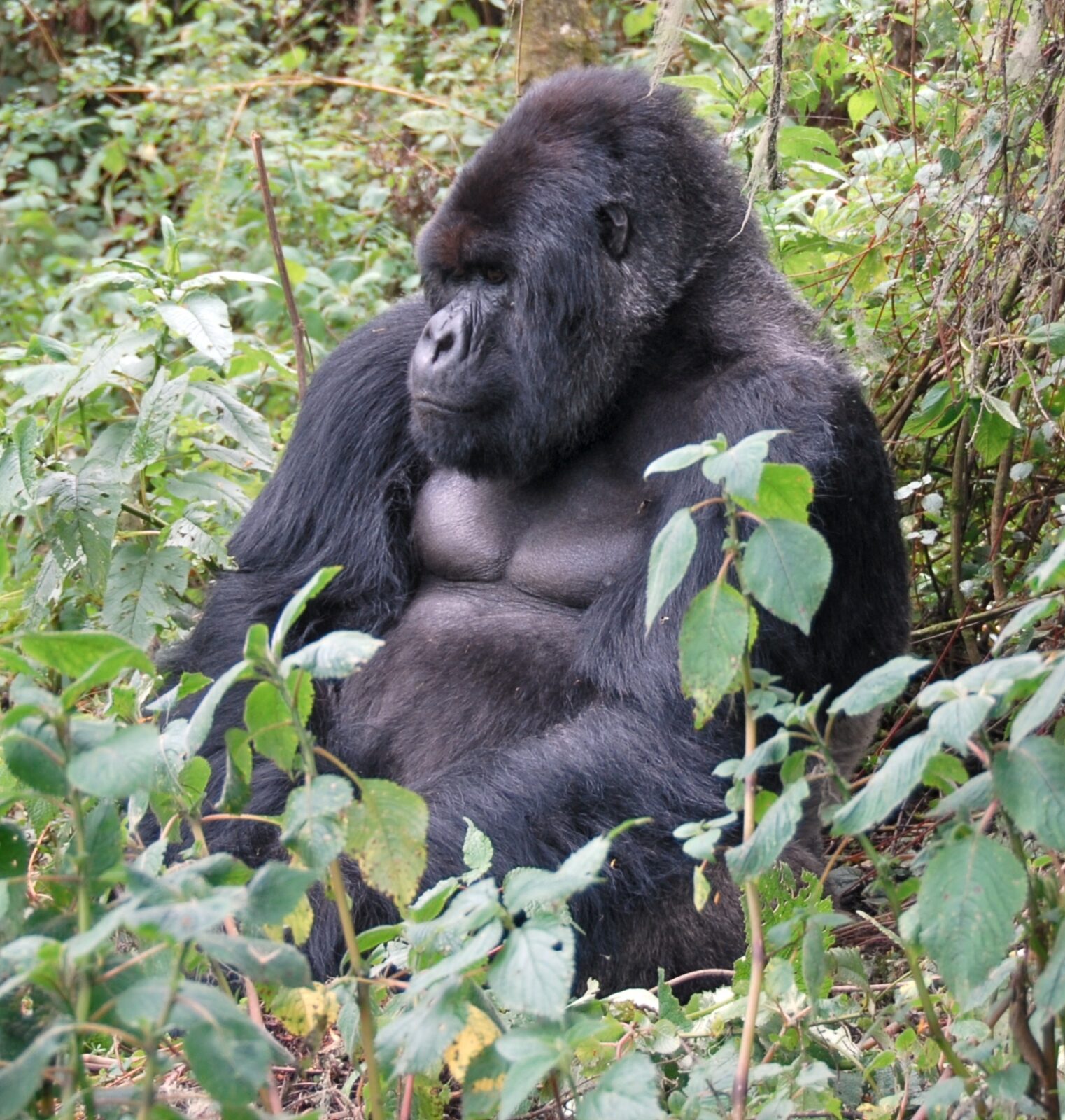
Despite the standard minimum viewing distance, habituated gorillas genuinely sometimes choose to approach trekkers closer than the maintained boundary, and understanding exactly what to do in this specific, genuinely common scenario matters far more than general anxiety about “getting too close.” What if a gorilla approaches me during the trek deserves a clear, practical answer covering exactly how to respond.
This guide covers what actually happens when a gorilla approaches, the correct response, and why this scenario is genuinely less alarming than first-time trekkers often assume.
Why This Scenario Deserves a Genuinely Calm, Practical Answer
First-time trekkers sometimes worry considerably about this specific possibility, when in reality understanding the correct, straightforward response transforms genuine anxiety into simple confidence about how to handle a situation guides are thoroughly trained to manage.
The Short Answer: Stay Calm, Stay Still, Follow Your Guide’s Lead
If a gorilla approaches closer than the standard viewing distance, the correct response genuinely involves staying calm, remaining still, avoiding direct eye contact, and following your guide’s specific real-time instructions rather than reacting with sudden movement or retreat.
Why This Scenario Happens More Often Than Trekkers Expect
Habituated gorillas, genuinely accustomed to human presence, sometimes choose to approach trekkers out of curiosity or simply because their natural movement brings them closer, worth understanding this as a genuinely normal occurrence rather than a sign something has gone wrong.
Why Staying Still Matters More Than Any Other Single Response
Remaining genuinely still, rather than backing away or making sudden movements, prevents triggering a chase response or appearing threatening, worth internalizing this as your primary instinctive response should this scenario occur during your trek.
Why Avoiding Direct Eye Contact Genuinely Matters
Direct, sustained eye contact can be perceived by gorillas as a challenge or threat, meaning looking down or away slightly, rather than staring directly at an approaching gorilla, genuinely reduces any perceived confrontational signal.
How Your Guide Actively Manages This Exact Situation
Rangers and guides are genuinely trained specifically for this scenario, often using calm vocalizations or body positioning to gently redirect an approaching gorilla’s path, worth trusting their expertise completely rather than taking independent action.
Why a Young Gorilla’s Approach Differs From an Adult’s
Juvenile gorillas, driven by genuine curiosity, sometimes approach more playfully than adults, and while the same calm, still response applies, guides typically manage this scenario with a somewhat different, less cautious tone than an adult silverback’s approach.
What Silverback Approaches Specifically Require
A silverback’s approach, while genuinely rare, requires the same fundamental calm, still response, though your guide’s management of this specific scenario reflects deeper training given the silverback’s role as the family’s protector.
Why Photography Should Genuinely Pause During Close Approaches
If a gorilla approaches genuinely close, lowering your camera and prioritizing the correct behavioral response over capturing the moment matters more, worth accepting you might miss a shot in favor of following your guide’s real-time safety guidance.
How Physical Contact, Though Rare, Is Actually Handled
In the genuinely rare event of incidental physical contact – a gorilla brushing past or briefly touching a trekker – remaining still and following your guide’s immediate direction remains the correct response, worth understanding this as an extension of the same core principles.
Why This Scenario Rarely Feels Frightening in the Actual Moment
Trekkers who’ve experienced a close gorilla approach consistently describe the moment as genuinely awe-inspiring rather than frightening, worth reframing your expectations toward wonder rather than fear if this scenario occurs during your own trek.
What Rangers and Guides Say About Managing Close Approaches
Guides consistently emphasize that trekkers who trust their calm, practiced management of close approaches have a genuinely smoother experience than those who react with visible anxiety, worth taking this professional reassurance to heart before your trip.
Why Group Behavior Matters Just as Much as Individual Response
If one trekker in your group panics or reacts visibly during a close approach, this can genuinely affect the whole group’s collective composure, worth understanding that your calm response benefits not just yourself but everyone trekking alongside you during this shared moment.
How This Scenario Differs Between First-Time and Repeat Trekkers
First-time trekkers understandably feel more genuine uncertainty about a close approach than repeat visitors who’ve experienced this scenario before, worth normalizing this initial nervousness as completely expected rather than a sign you’re inadequately prepared for the experience.
What Genuinely Happens to the Gorilla’s Behavior After Approaching
After a close approach, habituated gorillas typically continue their natural behavior – feeding, resting, moving on – largely unaffected by the brief proximity, worth understanding this as evidence the encounter genuinely doesn’t distress a well-habituated family when handled correctly.
Why Rangers Sometimes Gently Reposition the Group Instead
Rather than only managing the gorilla’s movement, rangers sometimes instead gently reposition your group slightly to maintain appropriate spacing, worth understanding both directions of adjustment as normal, routine parts of how this scenario gets managed in practice.
How This Preparation Connects to Your Broader Pre-Trek Briefing
Your morning briefing genuinely covers this exact scenario alongside other behavioral guidance, worth paying particularly close attention to this specific section if you have real anxiety about a close approach, since hearing the guidance directly from your ranger beforehand builds genuine confidence.
Final Thoughts on Handling a Gorilla’s Approach
A close gorilla approach, while understandably a source of pre-trip anxiety for first-timers, is genuinely a manageable, well-understood scenario your guide is thoroughly trained to handle – worth trusting this preparation and focusing on staying calm and still rather than worrying excessively beforehand. Most trekkers who experience this moment describe it afterward as one of the genuine highlights of their entire trip, a testament to how well the combined system of habituation, ranger training, and behavioral guidelines actually works in practice.
Why Trust in Your Guide Genuinely Matters More Than Any Personal Plan
Rather than mentally rehearsing your own response plan in isolation, trusting your guide’s real-time direction as the primary authority during any close approach genuinely serves you better, since they’re reading the specific gorilla’s body language and the moment’s full context in ways you simply can’t from a trekker’s vantage point.
Frequently Asked Questions
What should I do if a gorilla approaches me closely?
Stay calm, remain still, avoid direct eye contact, and follow your guide’s specific real-time instructions rather than reacting suddenly.
Should I back away if a gorilla gets closer than the standard distance?
No – backing away or sudden movement can trigger a chase response; staying still is genuinely the correct response instead.
Is it common for habituated gorillas to approach trekkers?
More common than many first-timers expect – it’s a genuinely normal occurrence driven by curiosity or natural movement, not a sign of danger.
Why does avoiding eye contact matter during an approach?
Direct, sustained eye contact can be perceived as a challenge or threat, so looking down or away slightly reduces any confrontational signal.
Does a young gorilla’s approach require a different response?
The same calm, still response applies, though juvenile approaches are typically more playful and guides manage them with a less cautious tone.
Should I keep taking photos if a gorilla approaches closely?
Better to lower your camera and prioritize the correct behavioral response over capturing the moment during a genuinely close approach.
What if a gorilla briefly makes physical contact?
Remain still and follow your guide’s immediate direction – this rare scenario follows the same core principles as any close approach.
Are guides specifically trained to manage this scenario?
Yes, genuinely – rangers and guides train specifically for close approaches, often using calm vocalizations or careful positioning to redirect gorillas gently.
Does a silverback’s approach require special caution?
The same fundamental response applies, though guides manage this specific scenario with deeper training given the silverback’s protective role.
Do most trekkers find a close approach frightening?
Generally no – trekkers consistently describe it as genuinely awe-inspiring rather than frightening once the moment actually happens.
Does one trekker’s panic affect the whole group during an approach?
Potentially, yes – staying calm genuinely benefits not just yourself but everyone trekking alongside you during this shared, memorable moment.
Does the gorilla’s own behavior change after approaching a trekker?
Typically not much – habituated gorillas usually continue their natural feeding, resting, or moving behavior largely unaffected by a brief, correctly-handled approach.
Will my morning briefing cover this specific scenario?
Yes, genuinely – pay close attention to this section if you have real anxiety, since hearing guidance directly from your ranger builds confidence.
Should I follow my own response plan or trust my guide’s direction?
Trust your guide fully – they read the specific gorilla’s body language and full context in ways trekkers genuinely can’t from their own vantage point in the moment.
Plan the Rest of Your Trip
For the full picture on trek rules, this gorilla viewing rules guide is worth reading, alongside this guide on your viewing hour. For further preparation, this photography rules guide is a useful next read, and this full cost breakdown helps you budget your trip.