
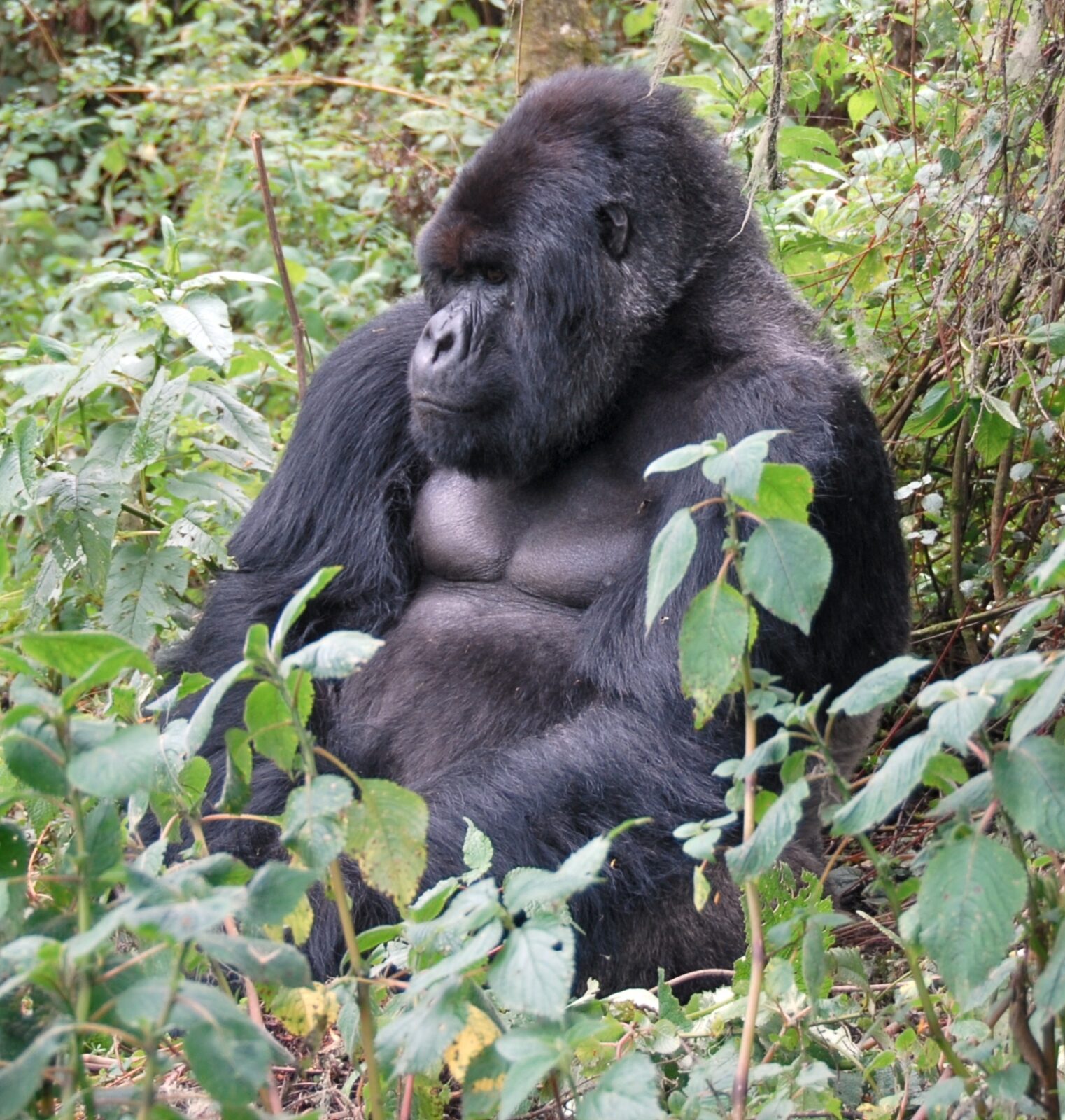
Families with younger children naturally want to understand exactly what the trekking age rule means practically for their specific situation, beyond simply knowing a minimum age exists. Is gorilla trekking safe for kids under 15 deserves a direct answer about why this rule exists and what genuinely happens to younger children during a family gorilla trekking trip.
This guide covers why the age minimum genuinely exists specifically, what it means practically for your under-15 child, and how to build a genuinely worthwhile trip around this rule for everyone involved.
Why Parents Ask This Question So Specifically
Beyond general trekking safety, parents of younger children want to understand exactly what the age rule means practically for their specific family trip, rather than a vague sense that “some age restriction applies” without concrete details to plan around.
The Short Answer: No, Trekking Itself Genuinely Isn’t an Option Under the Minimum Age
Gorilla trekking has a minimum age requirement, generally 15 across Uganda, Rwanda, and Congo, meaning children under this age cannot participate in the actual gorilla trek itself under any circumstances, regardless of the child’s individual fitness or maturity level.
How This Rule Is Enforced in Practice
Age verification typically happens at permit booking and again at the park headquarters briefing, using official identification, meaning families should bring appropriate documentation for every trekking family member rather than assuming age simply gets taken on trust.
Building a Multi-Generational Family Itinerary Around the Rule
Families spanning multiple generations, with both younger children and grandparents on the same trip, benefit from mapping out well in advance who trek and who participates in alternative activities on which specific days, ensuring every family member has a clear, genuinely engaging role throughout the itinerary rather than simply following the trekking parents’ schedule.
Why This Specific Age Minimum Exists
The age rule reflects both physical demands genuinely beyond most younger children’s capability and disease-transmission risk considerations, given how genetically close gorillas are to humans and children’s typically less developed immune resistance to certain illnesses compared to adults.
How Other Regional Wildlife Activities Handle Age Differently
Unlike gorilla trekking’s firm minimum, some other regional wildlife activities — general game drives, certain guided nature walks — often have no formal age restriction at all, worth knowing when researching genuine alternatives specifically suited to younger children within the same broader trip.
Is the Age Minimum Ever Flexible?
No — this rule is applied consistently by park authorities without exception for individual circumstances, so it’s worth planning your family trip around this firm reality rather than hoping for flexibility or attempting to appeal an individual case.
What Genuinely Worthwhile Activities Exist for Under-15 Children
Many destinations offer genuinely engaging alternatives specifically suited to younger children while parents trek — nature walks scaled to a shorter distance and gentler pace, cultural visits, or supervised lodge-based activities — worth researching and arranging specifically rather than assuming your child will simply wait at the lodge with nothing planned.
Golden Monkey Tracking as a Potential Alternative
Depending on the specific destination’s rules, golden monkey tracking sometimes has a different, more flexible age policy than gorilla trekking, worth researching directly if this could offer your under-15 child their own genuine wildlife encounter during the trip.
What Family-Focused Lodges Offer Specifically for Under-15 Children
Some lodges near trekking areas have developed genuinely thoughtful programming specifically for younger children accompanying trekking families, including dedicated staff, age-appropriate educational content, and activity schedules coordinated around parents’ trekking times, worth researching specifically if this level of support matters to your planning.
Building a Trip That Works for the Whole Family
Structuring your itinerary so parents’ trekking day is balanced by dedicated family activities on other days — rather than the entire trip revolving around the trek alone — helps ensure your under-15 children get a genuinely worthwhile experience alongside the adults’ gorilla encounter.
Considering Golden Monkey Tracking’s More Flexible Framework
Where available, golden monkey tracking’s generally more flexible age policy compared to gorilla trekking makes it genuinely worth researching directly as a way to give your under-15 child their own dedicated wildlife encounter, rather than treating them purely as spectators throughout the family’s trekking days.
Communicating the Rule to Your Child Age-Appropriately
Explaining the age rule in terms your specific child can genuinely understand — connecting it to protecting the gorillas rather than framing it as an arbitrary restriction — often helps children accept the rule more readily than a simple “you’re not old enough” explanation would.
How Close Can Younger Children Get to the Experience?
Some destinations offer visitor centres or viewing areas where younger children can learn about gorilla conservation and see gorillas in more controlled settings, worth researching as a way to include your under-15 child in some version of the broader experience even without trekking themselves.
Planning a Return Trip Once Children Meet the Age Requirement
Some families specifically frame an under-15 trip as the first of two visits, with a return trip planned once younger children reach the minimum age, treating this as a genuine long-term family tradition rather than a single one-off visit.
Why Some Families Choose to Wait Until Children Turn 15
Some families specifically plan their gorilla trekking trip around a child’s fifteenth birthday, treating the milestone itself as an occasion worth building the trip around, rather than visiting earlier and leaving the child behind for the actual trek entirely.
What Under-15 Children Can Learn From the Trip Regardless
Even without trekking themselves, under-15 children on a family gorilla safari genuinely benefit from exposure to conservation education, cultural experiences, and the broader wildlife-rich environment, worth framing positively as its own valuable experience rather than purely a consolation for missing the trek.
Preparing Your Child for What They’ll Miss and What They’ll Do Instead
Honestly preparing your under-15 child in advance for the age rule, while genuinely building excitement around their own specific planned activities, helps manage expectations better than a last-minute explanation once you’ve already arrived at the destination.
Final Thoughts for Families With Under-15 Children
Gorilla trekking rewards families who plan honestly around the firm age rule, building a genuinely worthwhile trip for every family member rather than treating younger children’s exclusion from the trek as an afterthought to work around at the very last minute before travel.
Frequently Asked Questions
Can an unusually fit or mature 13 or 14-year-old get a special exception?
No — the age minimum is applied consistently without individual exceptions, regardless of a specific child’s fitness or maturity level whatsoever.
What can my under-15 child do while I trek?
Most destinations offer supervised activities, scaled nature walks, or cultural visits specifically suited to younger children, worth arranging in advance as part of your overall booking.
Does golden monkey tracking have the same age restriction as gorilla trekking?
Policies vary by destination, and some have more flexible rules than gorilla trekking specifically — worth researching directly for your chosen destination and dates.
Can younger children see gorillas at all without trekking?
Some destinations offer visitor centres or controlled viewing areas, worth researching as a way to include your child in some genuine version of the experience.
Should we wait until our child turns 15 to plan this trip?
Some families specifically do this, treating the milestone birthday as an occasion worth building the whole trip around rather than visiting earlier and leaving the child behind.
Is the trip still worthwhile for under-15 children who can’t trek?
Genuinely yes — conservation education, cultural experiences, and the broader wildlife-rich environment offer real value beyond just the trek itself for the whole family.
How should I explain the age rule to my child?
Connecting it to protecting the gorillas, rather than framing it as an arbitrary restriction, often helps children genuinely accept the rule more readily than a simple age explanation.
How is the age rule actually verified on the day?
Typically at booking and again at the park headquarters briefing using official identification, so bringing appropriate documentation for every trekking family member genuinely matters.
Do any lodges offer dedicated programming specifically for younger children?
Some genuinely do, including dedicated staff and activities coordinated around parents’ trekking times, worth researching if this level of support matters to your planning process.
Should we plan a return trip once our children meet the age requirement?
Some families do exactly this, framing the current trip as the first of two visits and treating it as a genuine long-term family tradition worth building on.
How should multi-generational families plan around this rule?
Mapping out well in advance who treks and who participates in alternatives on which days ensures every family member has a genuinely engaging role throughout the trip.
Plan the Rest of Your Trip
For a fuller picture of family-specific planning, this family safety guide is worth reading in full, alongside this full cost breakdown. For broader planning, this Buhoma permit cost guide is a useful next read given its family-friendly infrastructure, and this step-by-step Uganda permit booking guide covers the reservation process in depth.