
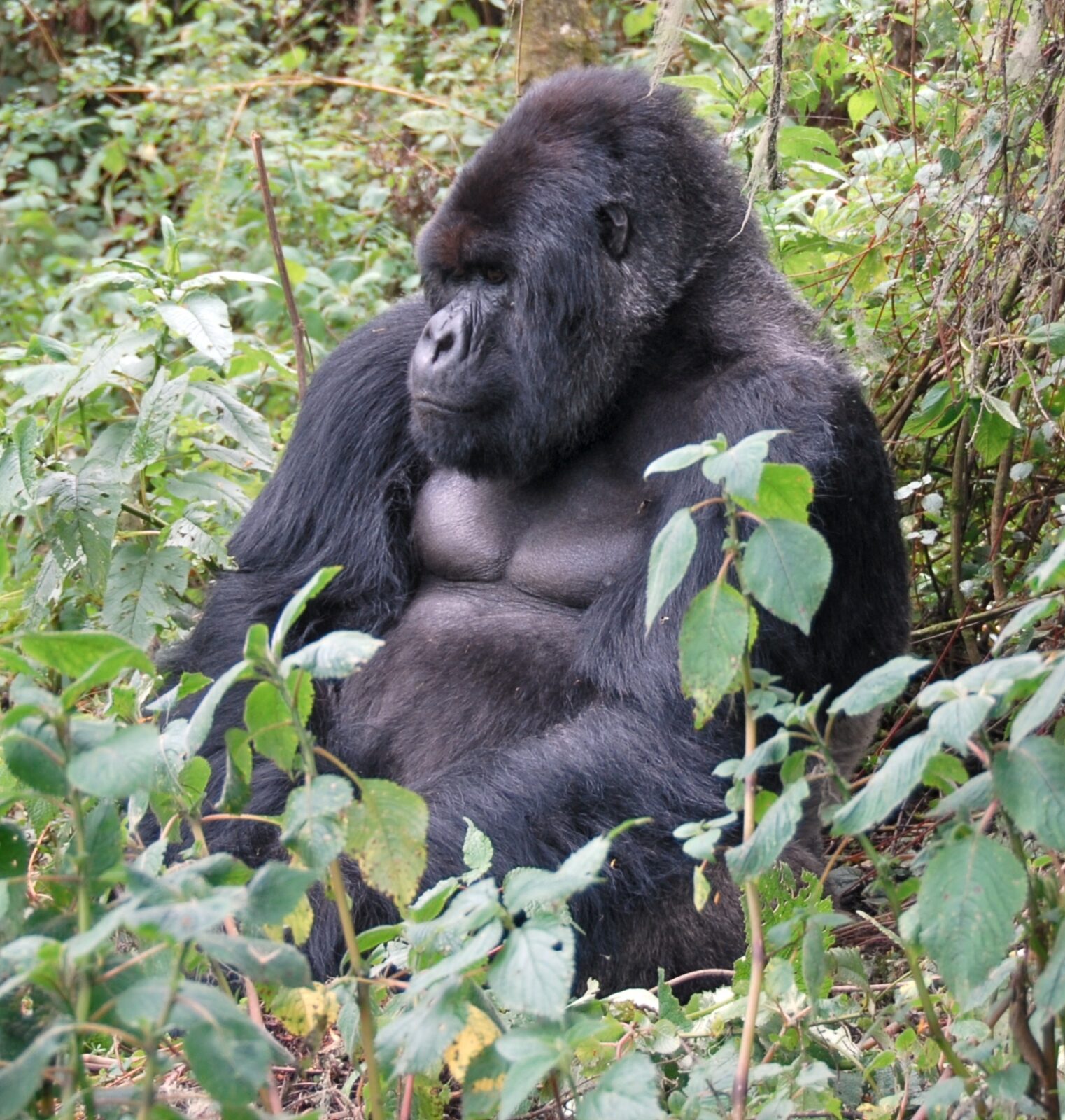
Gorilla trekking’s demanding, uneven forest terrain naturally raises genuine questions for trekkers managing mobility limitations that fall short of requiring a wheelchair but still meaningfully affect walking ability. Is gorilla trekking safe for people with limited mobility deserves an honest, specific answer distinct from either full mobility or wheelchair-specific considerations.
This guide covers what genuinely matters for trekkers with limited mobility, the real accommodations genuinely available, and how to make an honest decision about whether trekking is realistic for your specific situation and needs.
Why This Question Deserves More Nuance Than a Simple Answer
Unlike questions about age or budget, mobility limitations vary so significantly between individuals that a single blanket answer would genuinely mislead trekkers in either direction — worth approaching this question with the specific nuance it deserves rather than a one-size-fits-all response.
The Short Answer: It Genuinely Depends Entirely on Your Specific Limitation
Unlike a blanket yes or no, gorilla trekking’s safety and feasibility for trekkers with limited mobility depends heavily on the specific nature and severity of that limitation — some genuinely manage the trek successfully with proper support, while others may find the terrain’s demands exceed what’s realistically achievable.
Why Genuinely Honest Self-Assessment Matters Even More Here
Trekkers with limited mobility benefit more than most from genuinely honest self-assessment of their specific capabilities, ideally discussed directly with a doctor familiar with your condition, rather than either underestimating what’s achievable or overestimating your ability to manage genuinely demanding terrain.
Why Limited Mobility Sits on a Genuine Spectrum
Unlike a fixed category, “limited mobility” spans a genuinely wide range — from a minor joint issue manageable with a walking pole to more significant conditions requiring substantial support — meaning the right approach for your specific situation may look very different from another trekker’s, even under the same general label.
Weighing the Habituation Experience Against Standard Trekking Demands
It’s worth noting the habituation experience’s longer overall duration doesn’t necessarily mean more difficult terrain access than standard trekking, so trekkers with limited mobility shouldn’t automatically rule it out without first discussing the specific terrain involved with their operator directly.
What Genuine Support Options Exist
Hiring multiple porters, using trekking poles, and choosing a sector with genuinely gentler terrain like Buhoma are all real accommodations available to trekkers with limited mobility, worth combining rather than relying on just one form of support alone.
Sedan Chair Options at Some Destinations
Some trekking destinations offer a sedan chair option, carried by a team of local porters, specifically for trekkers who need this level of physical assistance to complete the trek, worth researching and arranging well in advance given limited availability and the genuine advance coordination this requires.
Building a Longer Timeline Into Your Trek Day
Trekkers with limited mobility genuinely benefit from communicating a preference for a longer, less rushed timeline on trek day, since rangers can adjust pacing expectations for the whole group when they know in advance rather than trying to accommodate an unexpected slower pace mid-trek.
Choosing the Gentlest Realistic Sector
Buhoma’s generally more moderate terrain makes it worth prioritising specifically for trekkers with limited mobility, though it’s worth understanding clearly that even Buhoma’s “gentler” terrain remains genuinely demanding by ordinary standards, not an easy walk.
What Rangers and Porters Say About Supporting Trekkers With Limited Mobility
Experienced rangers and porters who regularly support trekkers with limited mobility consistently note that early, honest communication about specific needs, rather than trekkers minimising their limitations out of pride or embarrassment, produces genuinely better outcomes and a more comfortable day overall.
Having a Realistic Conversation With Your Operator
Being genuinely upfront with your operator about your specific mobility limitation, well before your trek date, allows them to arrange appropriate support — porters, sedan chair, sector choice — rather than discovering your needs on the morning of your trek when options are far more limited.
Alternative Ways to Experience Gorillas With Significant Mobility Limitations
For trekkers whose limitation genuinely rules out even a supported trek, some destinations offer sanctuary or orphanage visits with more controlled, accessible viewing conditions, worth researching as a meaningful alternative if the standard forest trek isn’t realistically achievable for your situation.
What Happens if the Trek Genuinely Isn’t Achievable
Rangers and operators are experienced at honestly advising when a specific trekker’s mobility limitation genuinely makes the standard trek unsafe or unrealistic, and this honest guidance is worth respecting rather than pushing forward against genuine professional advice.
What a Realistic Trek Day Looks Like With Extra Support
A trekker with limited mobility using multiple porters or a sedan chair follows the same fundamental structure as any other trekker — briefing, guided trek, viewing window — simply with additional physical assistance built into how the walk itself is managed, worth understanding as a genuine accommodation rather than a compromised version of the experience.
Insurance Considerations Specific to Limited Mobility
Comprehensive travel insurance covering pre-existing conditions and emergency evacuation matters particularly for trekkers with limited mobility, given the genuinely remote location of trekking areas, worth confirming carefully rather than assuming standard coverage applies to your specific situation.
Considering the Habituation Experience’s Different Demands
It’s worth noting that Uganda’s gorilla habituation experience, while longer overall, doesn’t necessarily involve more difficult terrain than standard trekking — worth discussing with your operator as an alternative structure rather than assuming it’s automatically more demanding.
Final Thoughts for Trekkers With Limited Mobility
Gorilla trekking rewards trekkers with limited mobility who approach the decision with genuine honesty about their specific capabilities, working closely with both a doctor and an experienced operator to arrange appropriate support, rather than either avoiding the trip entirely or underestimating what real preparation this specific activity genuinely requires.
Building Extra Recovery Time Into Your Itinerary
Trekkers with limited mobility genuinely benefit from building in a full rest day immediately after their trek, before any further travel, given the additional physical toll the day may take compared to a trekker without mobility considerations — worth planning for explicitly rather than scheduling demanding travel immediately afterward.
Frequently Asked Questions
Is there a single answer for whether trekking is safe with limited mobility?
No — it depends genuinely on your specific limitation’s nature and severity, worth discussing honestly with both a doctor and your operator before deciding anything.
What is a sedan chair option and how does it work?
A team of local porters carries trekkers who need this level of physical assistance, available at some destinations, worth arranging well in advance given genuinely limited availability.
Is Buhoma definitely easy enough for someone with limited mobility?
Not necessarily — it’s genuinely more moderate than other sectors, but still demanding terrain by ordinary standards, not an easy walk regardless of which sector you ultimately choose.
Should I be upfront with my operator about my mobility limitation?
Yes, essential — communicating well before your trek date allows proper support arrangements rather than discovering limitations on the morning of your trek.
Does using a sedan chair mean I’m getting a lesser version of the trek?
No — it’s a genuine accommodation built into how the walk is managed, following the same fundamental briefing, guided trek, and viewing window structure as any other trekker.
Does travel insurance matter more for trekkers with limited mobility?
Yes, particularly — comprehensive coverage for pre-existing conditions and emergency evacuation matters more given the remote location of trekking areas from major hospitals.
What if the standard trek genuinely isn’t achievable for my situation?
Some destinations offer sanctuary or orphanage visits with more controlled, accessible viewing conditions, worth researching as a meaningful alternative option.
Should I automatically rule out the habituation experience given my mobility limitation?
Not necessarily — its longer duration doesn’t automatically mean harder terrain access, so discuss the specific terrain involved with your operator carefully before ruling it out.
Does “limited mobility” mean the same thing for every trekker?
No — it spans a genuinely wide range from minor joint issues to more significant conditions, meaning the right approach varies considerably by individual situation and needs.
Should I minimise my limitation when talking to my ranger or porter?
No — experienced rangers and porters consistently say early, honest, direct communication produces genuinely better outcomes than minimising needs out of pride or embarrassment.
Should I request a longer, less rushed timeline for my trek?
Worth communicating this preference well in advance, since rangers can adjust pacing expectations for the whole group when they know ahead rather than adapting mid-trek unexpectedly.
Should I build a rest day into my itinerary immediately after trekking?
Worth doing explicitly — the additional physical toll compared to trekkers without mobility considerations makes a full rest day before further travel a genuinely sensible precaution.
Plan the Rest of Your Trip
For the full cost picture, this Buhoma permit cost guide is worth reading given its more moderate terrain, alongside this full cost breakdown. For broader planning, this step-by-step Uganda permit booking guide is a useful next read, and this guide on trekking safely as a senior covers related preparation considerations.