
Kasubi Tombs – Uganda’s Iconic Heritage Site Listed Among Africa’s Most Innovative and Historic Buildings
In the heart of Kampala, perched upon one of the city’s gentle hills, stands one of Africa’s greatest symbols of cultural pride and architectural brilliance — the Kasubi Tombs. Recently recognized by the BBC as one of Africa’s most innovative, historic, and iconic buildings, the Kasubi Tombs continue to inspire admiration as both a sacred spiritual site and a masterpiece of traditional design. For Uganda, this honor reaffirms the country’s cultural depth and the global significance of its heritage.
The Heart of Buganda’s Royal Legacy
The Kasubi Tombs, known locally as Oluzira lwa Kabaka, are the royal burial grounds of the Buganda Kingdom, one of Africa’s oldest and most influential monarchies. Established in the late 19th century, the site serves as the resting place for four of Buganda’s great kings — Mutesa I, Mwanga II, Daudi Chwa II, and Sir Edward Mutesa II — whose reigns shaped Uganda’s social and political landscape.
More than just a burial site, Kasubi is a living symbol of Buganda’s identity and continuity. It’s where royal traditions, spiritual rituals, and cultural ceremonies still take place, linking modern-day Uganda to its ancient roots. When you walk through its gates, the quiet reverence of the site feels almost tangible — a place where the past breathes softly into the present.
The Architectural Wonder of Muzibu Azaala Mpanga
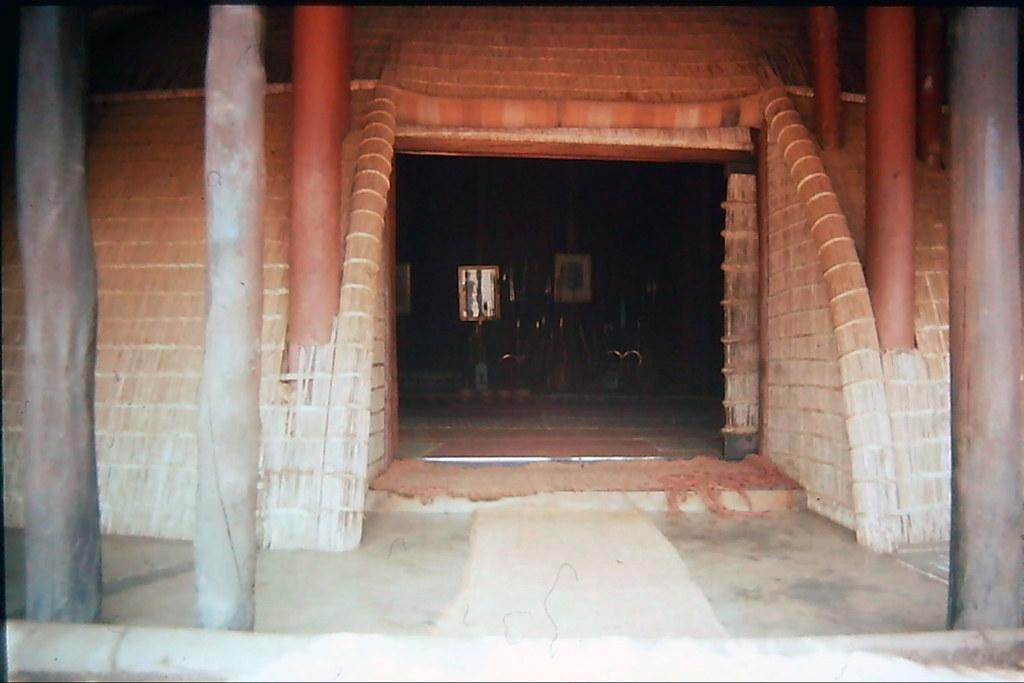
At the heart of the Kasubi complex stands Muzibu Azaala Mpanga, the main tomb building and the crown jewel of traditional Ganda architecture. The structure, circular in shape, is made entirely from organic materials — wood, thatch, reeds, and clay — held together by a sophisticated wattle-and-daub technique perfected over centuries.
Its enormous thatched dome, one of the largest of its kind in Africa, rises majestically from the ground and is supported by wooden poles wrapped in bark cloth. The dome is topped with 52 rings, symbolizing the 52 clans of Buganda, making the structure not just an architectural marvel but a living symbol of unity and identity.
When you step inside, you feel an overwhelming sense of presence — the scent of grass and earth, the filtered light, and the stillness that fills the air. Visitors often describe it as a spiritual experience rather than just a tour.
BBC Recognition – A Global Tribute to African Heritage
In October 2021, the BBC included the Kasubi Tombs in its list of the Top 12 Most Innovative, Historic, and Iconic Buildings in Africa, ranking them among the continent’s finest achievements in design and heritage. This recognition highlighted the site’s architectural ingenuity and its enduring cultural significance.
Ugandan architects and cultural scholars celebrated the listing as a milestone that placed Uganda firmly on the global heritage map. One observer described the tombs as “a stunning blend of tradition and symbolism — a structure that both dominates and humbles you at once.”
The BBC’s acknowledgment underscores the importance of African indigenous architecture — the way it connects people to land, history, and identity through sustainable materials and design rooted in spirituality.
A UNESCO World Heritage Site
Even before its BBC recognition, the Kasubi Tombs had long held international acclaim. In 2001, UNESCO declared the site a World Heritage Site for its outstanding universal value as a masterpiece of traditional architecture and a living cultural landscape.
Though a devastating fire in 2010 destroyed much of the main structure, the rebuilding process — guided by traditional craftsmen, cultural leaders, and UNESCO experts — has since become a story of resilience and cultural preservation. The restoration uses the same ancient methods and natural materials, ensuring that the reconstructed tombs remain true to their original form and spirit.
Visiting the Kasubi Tombs
Located just 5 kilometers northwest of Kampala’s city center, the Kasubi Tombs are easily accessible to visitors and remain one of Uganda’s most important cultural tourism sites. Guided tours offer a deep dive into Buganda’s royal history, its symbolism, and its spiritual practices.
Visitors can walk through the thatched courtyards, see traditional regalia, and hear fascinating stories about Buganda’s kings and their connection to the people. Photography is allowed outside the main shrine, and respectful attire is encouraged since the site remains an active spiritual ground.
Why the Kasubi Tombs Matter
The Kasubi Tombs represent more than Uganda’s royal heritage — they embody the philosophy of harmony between people, nature, and spirituality. The architectural style relies solely on natural materials that regenerate from the earth, symbolizing the cyclical nature of life and death.
This holistic connection between culture and environment is what makes the Kasubi Tombs not just a monument, but a living lesson in sustainability and identity. Its recognition by the BBC shines a light on the power of traditional African architecture to inspire modern innovation.
A Timeless Symbol of African Brilliance
The Kasubi Tombs’ inclusion in the BBC’s list of Africa’s most iconic and historic buildings is a moment of pride for Uganda and the entire continent. It celebrates Africa’s architectural genius — creativity born not from concrete and steel, but from meaning, memory, and connection to the earth.
As restoration continues, the tombs stand as a beacon of cultural resilience, reminding the world that Africa’s architectural legacy is not only ancient but also timeless and evolving.
When you visit the Kasubi Tombs, you’re not just seeing a building — you’re witnessing the living heartbeat of Ugandan heritage.