What Is Gorilla Trekking? All You Need to Know About Gorilla Trekking 2025/2026
Introduction: Encountering the Gentle Giants of Africa
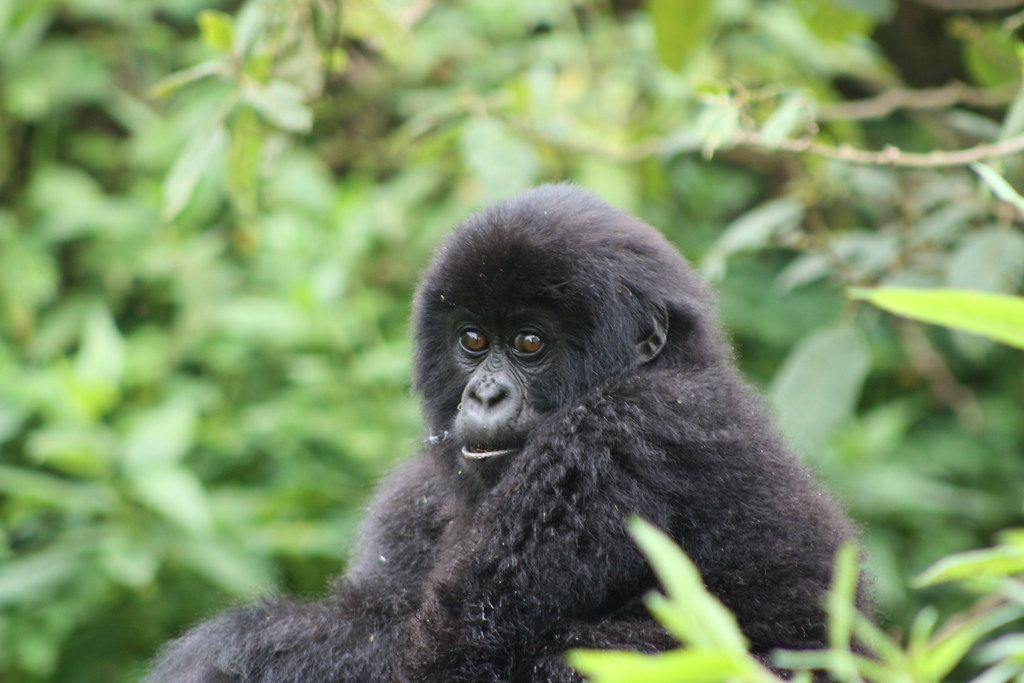
Gorilla trekking is one of the most remarkable wildlife experiences on Earth — a rare opportunity to venture deep into Africa’s mist-covered forests and come face-to-face with the world’s largest primates, the mountain gorillas. These majestic creatures share over 98% of their DNA with humans and live in only a few protected areas in Uganda, Rwanda, and the Democratic Republic of Congo.
For many travelers, gorilla trekking is more than just a safari activity — it’s a life-changing encounter that combines adventure, conservation, and cultural exploration. As we move into 2025 and 2026, gorilla trekking continues to be one of Africa’s most sought-after and responsibly managed wildlife experiences.
Understanding Gorilla Trekking
Gorilla trekking involves hiking through tropical rainforests to find and observe a specific group of habituated mountain gorillas. These are gorilla families that have undergone years of gentle habituation — a careful process led by researchers and rangers to make them accustomed to human presence without changing their natural behavior.
The trek typically starts early in the morning with a briefing at the park headquarters, followed by a guided hike through dense vegetation, steep hills, and sometimes muddy terrain. The journey can take anywhere from 30 minutes to 6 hours, depending on the gorillas’ location that day. Once the group is found, visitors are allowed to spend one hour with them — observing their interactions, feeding habits, and complex family dynamics.
Where to Go Gorilla Trekking in 2025/2026
1. Uganda – Bwindi Impenetrable Forest & Mgahinga Gorilla National Park
Uganda is home to over half of the world’s remaining mountain gorilla population, making it one of the best destinations for gorilla trekking.
-
Bwindi Impenetrable National Park in southwestern Uganda is the country’s premier gorilla trekking site and a UNESCO World Heritage Site. The park hosts 22 habituated gorilla families spread across four trekking regions — Buhoma, Ruhija, Rushaga, and Nkuringo.
-
Mgahinga Gorilla National Park, located in the Virunga Mountains, offers a more exclusive and scenic experience, with one habituated gorilla family known as the Nyakagezi group.
Uganda’s gorilla trekking permits are priced at $800 per person (as of 2025), significantly cheaper than Rwanda’s, and permit availability is generally good when booked in advance.
2. Rwanda – Volcanoes National Park
Rwanda’s Volcanoes National Park offers a luxurious and well-organized gorilla trekking experience. The park is easily accessible from Kigali (about a 2.5-hour drive), making it ideal for short gorilla safaris or combined East African tours.
Rwanda has 12 habituated gorilla groups, and treks usually start from the Kinigi Park Headquarters. The experience is highly structured, with excellent guides and conservation management. However, gorilla trekking permits in Rwanda cost $1,500 per person (2025/2026), making it the most premium destination for gorilla encounters.
3. Democratic Republic of Congo – Virunga National Park
For adventurous travelers, Virunga National Park in eastern DRC offers a more rugged, less crowded experience. The park is Africa’s oldest national park and home to several gorilla families. Although the DRC’s political situation requires careful planning, those who visit are rewarded with an authentic and remote gorilla trekking adventure.
Permits in the DRC are typically the most affordable, costing around $400–$500, but travelers should always check current security and travel advisories before planning a visit.
What to Expect During a Gorilla Trek
A typical gorilla trekking day begins early, around 7:00 AM, with a briefing from park rangers about safety, trekking rules, and gorilla behavior. Trekkers are then divided into small groups (maximum 8 people) and assigned a gorilla family to visit.
The hike can be physically demanding, traversing thick vegetation, muddy trails, and steep slopes, but the reward is worth every effort. The moment you first spot a silverback watching over his family or a playful infant swinging from a vine is unforgettable.
Once you reach the gorilla group, you’ll spend one magical hour observing them quietly, taking photos, and watching their social interactions — always maintaining a minimum distance of 7 meters to avoid disturbance or disease transmission.
Best Time for Gorilla Trekking
Gorilla trekking is available year-round, but the best time to go is during the dry seasons, which occur from June to September and December to February. During these months, the forest trails are less slippery, and trekking conditions are generally easier.
The wet seasons (March to May and October to November) bring heavier rains that make the terrain muddier, but they also offer fewer crowds, lush scenery, and better photography due to the soft light.
Gorilla Trekking Permits and Booking Tips
Because gorilla trekking is tightly regulated to protect the gorillas, permits are limited and must be booked in advance.
-
Uganda: $800 per person (UWA 2025 rate)
-
Rwanda: $1,500 per person (RDB 2025 rate)
-
DRC: $400–$500 per person (Virunga rate)
It’s advisable to book your permit through a licensed tour operator or directly via the park authorities. Many travelers choose multi-day gorilla trekking safaris that include transportation, accommodation, park fees, and guide services.
Physical Fitness and Preparation
Gorilla trekking requires a moderate level of fitness, as you may hike several kilometers through hilly and uneven terrain. You don’t need to be an athlete, but preparation helps. Regular walking or light hiking before your trip can make the experience more enjoyable.
What to pack:
-
Lightweight hiking boots or waterproof shoes
-
Long-sleeved shirts and trousers for protection
-
Rain jacket and gloves
-
Reusable water bottle and snacks
-
Walking stick (usually provided by the park)
Gorilla Trekking Rules and Etiquette
To ensure safety for both visitors and gorillas, strict rules are in place:
-
Maintain a 7-meter distance from the gorillas
-
Do not eat, drink, or smoke near them
-
Speak softly and avoid sudden movements
-
Flash photography is prohibited
-
Do not trek if you’re ill, as gorillas are highly susceptible to human diseases
Respecting these guidelines helps protect these endangered species and ensures the sustainability of gorilla tourism.
Gorilla Habituation Experience
In addition to standard trekking, Uganda offers a unique Gorilla Habituation Experience, available only in Bwindi Impenetrable National Park (Rushaga sector). This extended activity allows visitors to spend up to four hours with a semi-habituated gorilla family, accompanied by researchers and rangers.
This in-depth encounter costs $1,500 per person and provides an exceptional opportunity to learn about gorilla behavior, conservation efforts, and the challenges faced in protecting these great apes.
Conservation Impact of Gorilla Trekking
Gorilla trekking directly supports conservation. The permit fees contribute to anti-poaching initiatives, ranger patrols, and community development projects around the parks. A percentage of the revenue goes to local communities, creating incentives for conservation and sustainable tourism.
Thanks to these efforts, mountain gorilla populations have steadily increased — from less than 700 individuals a decade ago to over 1,000 today — a rare conservation success story in Africa.
Conclusion: A Life-Changing Experience Awaits
Gorilla trekking is not just an adventure; it’s a journey into the heart of Africa’s wilderness and a powerful reminder of our connection to nature. As you stand just meters away from a silverback gorilla in the misty forests of Bwindi or Volcanoes National Park, you realize how extraordinary these gentle giants are — intelligent, emotional, and remarkably similar to us.
For travelers planning their 2025/2026 safari, gorilla trekking offers a once-in-a-lifetime experience that combines thrill, tranquility, and purpose — an encounter that will stay with you forever.