
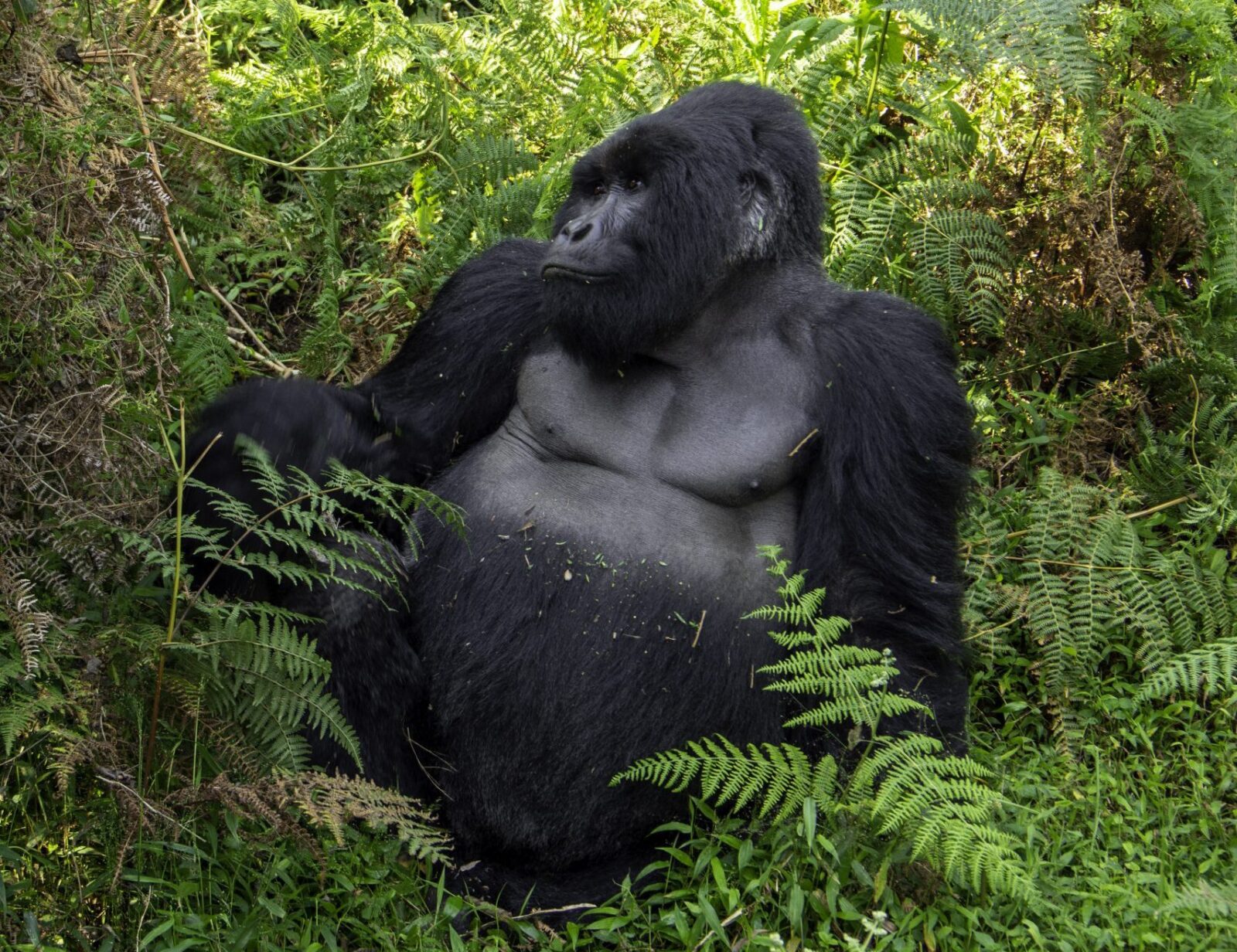
Gorilla Habituation Safari: Four Hours with a Wild Gorilla Family
A gorilla habituation safari is not simply an extended version of standard gorilla trekking. It is a fundamentally different conservation experience that takes you deep into the प्रक्रिया of how wild mountain gorillas become accustomed to human presence. Conducted exclusively in the southern sectors of Bwindi Impenetrable National Park, particularly in areas like Rushaga, this activity allows visitors to spend up to four hours with a semi-habituated gorilla family under the guidance of researchers, trackers, and Uganda Wildlife Authority rangers.
Unlike traditional trekking, where gorillas are already fully habituated and comfortable with human observers, habituation safaris involve families that are still undergoing the gradual process of accepting humans in their environment. This creates a more dynamic, unpredictable, and scientifically rich encounter. It is not just about observing gorillas. It is about participating, in a controlled and ethical way, in the long-term conservation of one of the world’s most endangered species.
Understanding Gorilla Habituation: The Science Behind the Experience
Gorilla habituation is a structured, multi-year process that can take anywhere from two to five years. During this time, researchers and trackers visit a wild gorilla family daily, gradually introducing human presence while minimizing stress and behavioral disruption. The goal is to ensure that the gorillas perceive humans as neutral, non-threatening elements within their environment.
This process is essential for conservation. Without habituation, gorillas would remain inaccessible for monitoring, veterinary care, and regulated tourism. However, the process must be handled with precision. Too much exposure too quickly can lead to stress or aggression, while too little slows the progress of habituation.
When you join a habituation safari, you are entering this delicate مرحلة. The gorillas you encounter are not fully comfortable with humans. They may display curiosity, caution, or even mild defensive behaviors. This creates a level of authenticity that is rarely experienced in wildlife tourism.
Early Morning: Entering the World of Researchers and Trackers
The day begins even earlier than a standard gorilla trek. At first light, you arrive at the briefing point where you meet not only rangers but also researchers who have been following the gorilla family over extended periods. The group size is significantly smaller, usually limited to four visitors, which reduces pressure on the gorillas and allows for more controlled observation.
The briefing is more detailed and technical than a regular trek. You are introduced to the specific gorilla family, their social structure, and the stage they are in within the habituation process. You may learn about the dominant silverback, the number of juveniles, and any recent behavioral changes observed by the research team.
This stage reframes your role. You are not just a visitor. You are temporarily part of a conservation workflow, expected to follow strict guidelines that support the ongoing habituation process.
The Trek: Tracking an Unpredictable Family
Tracking a semi-habituated gorilla family is often more challenging than standard trekking. Because these gorillas are less accustomed to human presence, they tend to move more frequently and unpredictably. Trackers rely on fresh signs such as nests, dung, and feeding trails to locate them.
The terrain in southern Bwindi is rugged, with steep hills, dense vegetation, and limited trails. Progress can be slow and physically demanding, requiring patience and endurance. However, this challenge is part of what defines the habituation experience. It mirrors the daily efforts of researchers who spend years following these families through the forest.
As you move deeper into the rainforest, the sense of isolation intensifies. There are no crowds, no parallel trekking groups, and minimal noise. The forest feels more raw and less mediated, reinforcing the idea that you are entering a space where humans are still outsiders.
First Contact: A Different Kind of Encounter
When the gorillas are located, the approach is more cautious than in standard trekking. Rangers assess the mood of the group before allowing visitors to get closer. Because the gorillas are not fully habituated, their reactions can vary widely.
You may observe signs of तनाव such as chest beating, vocalizations, or movement away from the group. These behaviors are not necessarily aggressive but indicate that the gorillas are still adjusting to human presence. Rangers interpret these signals and guide the group accordingly, ensuring that the interaction remains safe for both humans and animals.
This initial contact is often the most intense moment of the day. It highlights the حقيقة that these are truly wild animals, not fully accustomed to being observed.
The Four-Hour Experience: Immersion and Observation
Once the group stabilizes and the gorillas appear comfortable, the extended observation period begins. Unlike the strict one-hour limit in standard trekking, habituation allows up to four hours with the gorilla family. This extended time transforms the nature of the experience.
Instead of focusing on capturing photos or ticking off a checklist, you begin to observe patterns and behaviors that unfold over time. You may see feeding cycles, social interactions, grooming rituals, and subtle communication signals within the group.
Juveniles often provide moments of play and curiosity, while the silverback maintains a constant awareness of the surroundings. Females care for infants, and the group moves as a coordinated unit through the forest. Over four hours, these behaviors form a narrative, giving you insight into the complexity of gorilla समाज.
Researchers may share observations during this time, explaining behaviors and answering questions. This adds an educational dimension that goes beyond what is typically available in standard trekking.
Challenges and Physical Demands
A habituation safari is more demanding than a regular gorilla trek, both physically and mentally. The extended duration in the forest requires stamina, resilience, and the ability to remain focused for long periods.
Weather conditions can change rapidly in Bwindi. Rain, humidity, and uneven terrain add to the challenge. You may spend hours standing or moving slowly through dense vegetation, which can be physically taxing.
However, these challenges are integral to the experience. They create a sense of achievement and deepen your appreciation for the effort involved in conservation work.
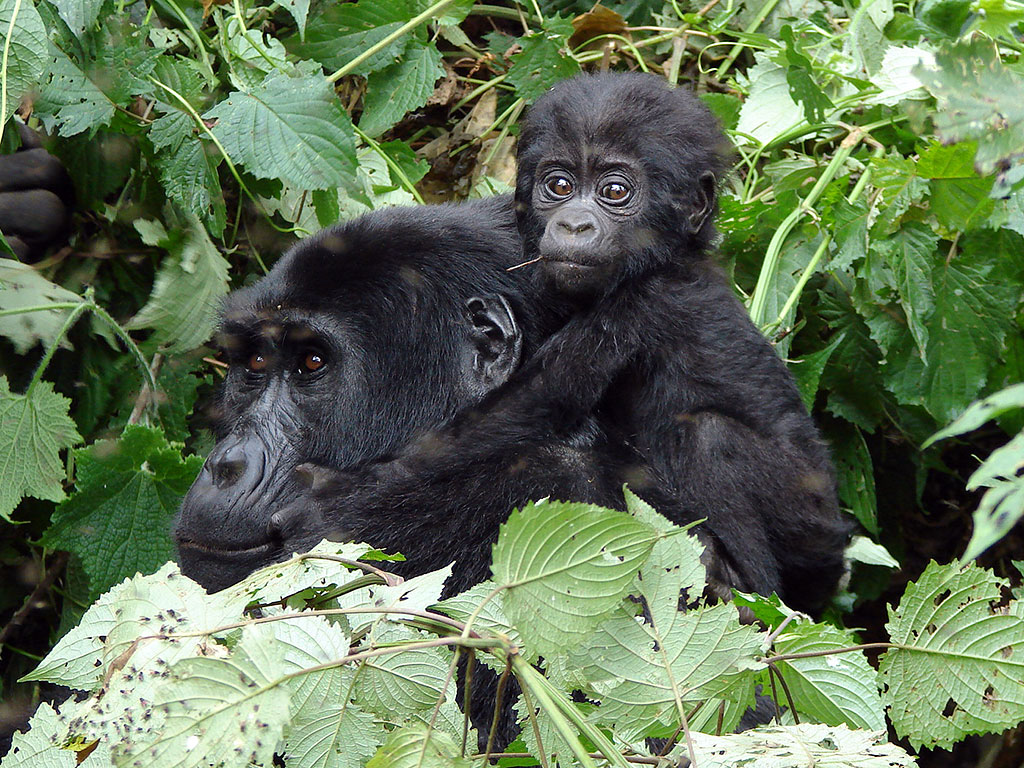
Conservation Impact: Why Habituation Matters
Participating in a gorilla habituation safari directly supports conservation efforts. The higher permit fees associated with this activity contribute to funding research, anti-poaching initiatives, and community programs.
Habituation itself is a critical tool for conservation. It allows for close monitoring of gorilla health, early detection of disease, and intervention when necessary. It also enables controlled tourism, which generates revenue that supports the संरक्षण of gorilla habitats.
By joining this experience, you are contributing to a system that balances human interest with ecological responsibility. It is a form of tourism that actively supports the survival of the species.
Emotional and Psychological Dimensions
Spending four hours with a wild gorilla family creates a different emotional dynamic compared to a one-hour encounter. The extended time allows for a deeper connection, not in a humanized sense, but in an observational and reflective way.
You begin to recognize individual gorillas, notice their رفتار patterns, and understand their relationships within the group. This familiarity, even within a few hours, creates a sense of respect and empathy that is difficult to achieve in shorter encounters.
At the same time, the unpredictability of semi-habituated gorillas keeps you aware of the boundary between humans and wildlife. This balance between connection and दूरी is what makes the experience so powerful.
Return and Reflection
The return trek often feels different from the journey in. The physical fatigue is accompanied by a sense of fulfillment and reflection. Conversations with guides and fellow trekkers tend to be more analytical, focusing on behaviors observed and insights gained.
Back at the starting point, the experience is often marked by a deeper understanding of gorilla conservation. Unlike standard trekking, which is often described in emotional terms, habituation safaris leave participants with a more nuanced perspective on the challenges and complexities of protecting endangered species.
Final Perspective
A gorilla habituation safari in Bwindi Impenetrable National Park is not designed for everyone. It is more demanding, less predictable, and requires a greater level of commitment than standard trekking. However, for those willing to engage with its challenges, it offers an unparalleled level of depth and authenticity.
This is not just a wildlife encounter. It is a rare opportunity to witness the intersection of science, conservation, and human curiosity in one of the most महत्वपूर्ण ecosystems on earth. The four hours you spend with a wild gorilla family are not just longer. They are richer, more complex, and ultimately more transformative.