
Gorilla Safari Trekking: What Happens Hour by Hour
A gorilla trekking day in Uganda, particularly in Bwindi Impenetrable National Park or Mgahinga Gorilla National Park, is not a casual wildlife outing. It is a tightly coordinated, conservation-driven experience where every hour is structured around safety, tracking intelligence, and minimizing disturbance to mountain gorillas. Understanding the hour-by-hour flow is essential because it shapes expectations, preparation, and ultimately how you experience one of the most powerful wildlife encounters on earth.
05:30 – 06:30: Early Wake-Up and Preparation
Your day begins early, often before sunrise. Lodges near the parks prepare guests with a light breakfast and packed lunch because once you enter the forest, you may not return until afternoon. The early start is not arbitrary. Gorilla movements are tracked from the previous day, and the goal is to locate them while they are still relatively stationary after nesting.
This hour is about logistical readiness. You organize essentials such as water, ऊर्जा snacks, rain gear, gloves, and sturdy boots. Porters are often arranged at this stage, and while optional, they play a critical role in carrying bags and assisting on difficult terrain. The preparation phase sets the tone for the trek. Poor preparation here can significantly affect the rest of the day.
06:30 – 07:30: Transfer to Trekking Headquarters
Depending on where you are staying, you will either walk or drive to the park headquarters. In Bwindi, this could mean heading to sectors like Buhoma or Rushaga, while in Mgahinga it typically involves a shorter, more direct transfer.
This hour often introduces you to the broader trekking community for the day. You will see fellow trekkers, guides, and rangers assembling, creating a sense of anticipation. The environment is structured but not rushed, allowing time for check-in and permit verification.
07:30 – 08:30: Briefing and Gorilla Group Allocation
At the headquarters, Uganda Wildlife Authority rangers conduct a mandatory briefing. This is one of the most important parts of the day from both a safety and conservation perspective.
You are assigned to a specific gorilla family based on factors such as fitness level, age, and group size. Each group is limited to a maximum of eight trekkers, ensuring minimal disturbance. Rangers explain behavioral guidelines, including maintaining a distance of about seven meters, avoiding direct eye contact with dominant silverbacks, and keeping voices low.
This hour also provides insight into the gorilla family you will track. You may learn about the dominant silverback, group dynamics, and recent movements. By the end of this session, you are no longer just a tourist. You are a participant in a controlled wildlife encounter.
08:30 – 10:30 (or Longer): Entering the Forest and Beginning the Trek
Once groups are formed, you begin the trek. The first phase typically involves walking through cultivated land at the park’s edge before entering the forest proper. This transition highlights the interface between human communities and protected जंगल.
Inside the forest, the pace is dictated by trackers who have gone ahead earlier in the morning. These trackers communicate via radio, guiding your group toward the gorillas’ current location. Trekking time is highly variable. In some cases, gorillas are found within an hour. In others, it may take several hours of climbing, descending, and navigating dense vegetation.
In Bwindi, expect thick undergrowth, steep slopes, and a physically demanding route. In Mgahinga, the terrain may be more open, especially in bamboo zones, but it can still involve significant hiking.
This phase is not just about reaching the gorillas. It is an immersive journey through one of Africa’s richest ecosystems, with chances to encounter birds, monkeys, and unique النبات species.
10:30 – 13:00 (Variable): The Final Approach
As you get closer, the trackers signal a slowdown. You may be asked to leave walking sticks or unnecessary items behind to reduce noise and movement. This is the most controlled phase before the encounter.
The ranger will brief you again, emphasizing silence and positioning. Heart rates rise at this stage, not just from physical exertion but from anticipation. You begin to hear subtle sounds-branches snapping, low vocalizations, or movement through foliage.
The final approach is deliberate. Rangers ensure that the group enters the gorillas’ space calmly and without sudden movements. This careful management is what allows humans to coexist briefly with wild gorillas without triggering stress or aggression.
The Gorilla Encounter: One Hour That Defines the Experience
Once the gorillas are located, the official one-hour viewing period begins. This is strictly enforced to protect the animals from prolonged human exposure.
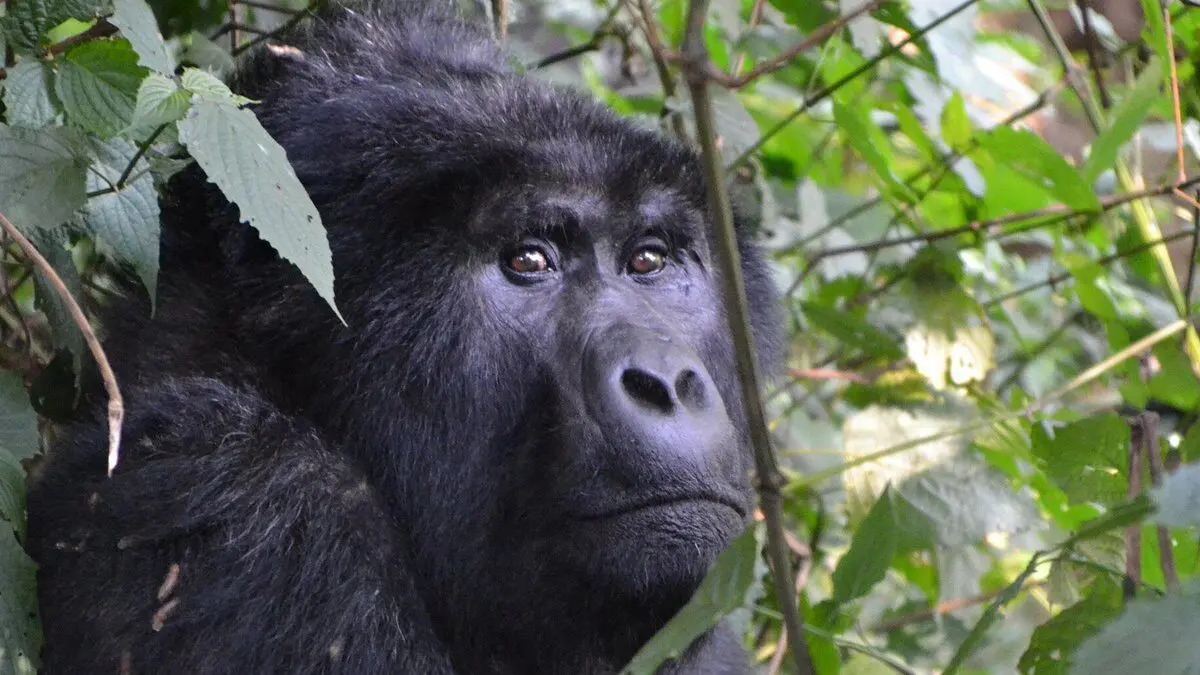
During this hour, you observe a range of behaviors. You may see juveniles playing, females grooming, or the silverback maintaining a watchful presence. In some cases, gorillas may move closer to you, even though you are expected to maintain distance. These moments are managed carefully by rangers to ensure safety.
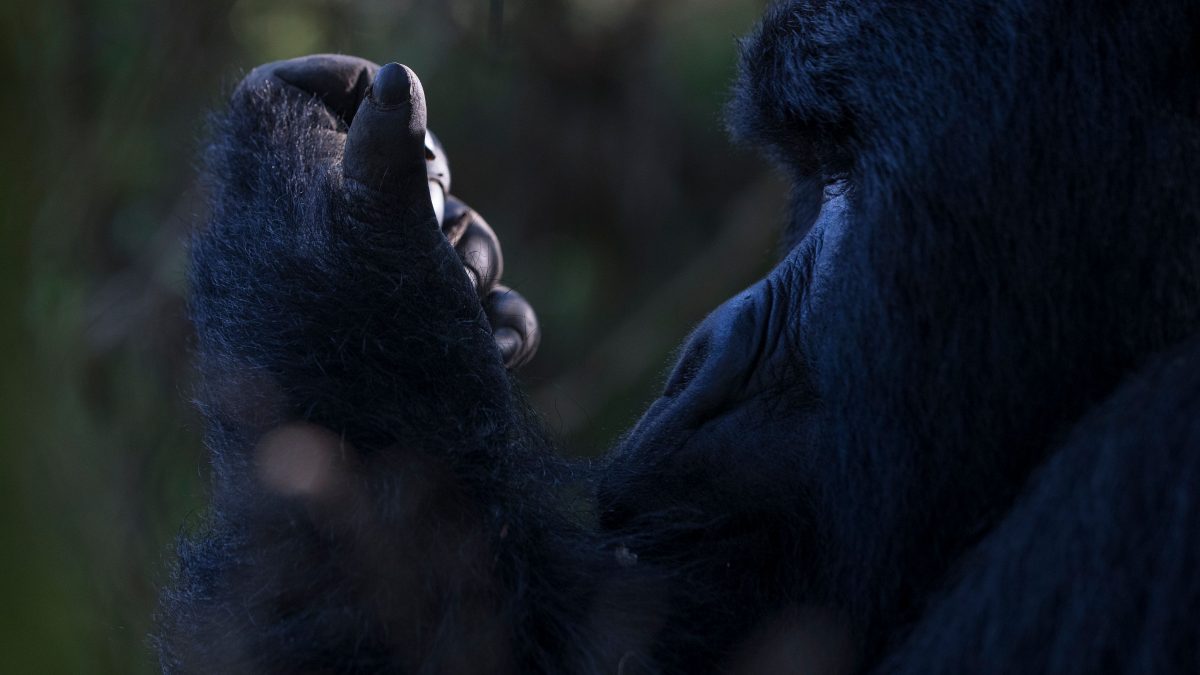
The experience is often described as emotional and humbling. Unlike many wildlife encounters, there is a sense of mutual awareness. Gorillas may look directly at you, creating a connection that is difficult to articulate but deeply impactful.
Photography is allowed but regulated. Flash is prohibited, and movement must remain controlled. The goal is to observe without altering natural behavior.
13:00 – 15:30: The Return Trek
After the hour concludes, the group begins the العودة trek. This phase can feel physically easier or equally challenging depending on the terrain and how far you traveled to find the gorillas.
There is often a shift in mood during the return. The intensity of the encounter gives way to reflection. Conversations become more relaxed, and the forest feels different now that the primary objective has been achieved.
Packed lunches are usually consumed either in the forest or upon return, depending on timing and conditions.
15:30 – 17:00: Return to Headquarters and Certification
Back at the headquarters, trekkers receive a certificate confirming their participation in gorilla trekking. While symbolic, it represents more than a souvenir. It reflects your contribution to conservation through permit fees and responsible tourism.
This is also a moment to tip guides and porters, acknowledging their role in making the experience possible. Their knowledge of the forest and gorilla behavior is central to the success of the trek.
Evening: Recovery and Reflection at the Lodge
Returning to your lodge, the evening is typically reserved for rest and reflection. The physical demands of trekking combined with the emotional impact of the encounter create a need for recovery.
Many lodges offer warm showers, hearty meals, and quiet environments that allow you to process the experience. Discussions often revolve around the gorilla family you visited, comparing observations and moments that stood out.
Final Perspective
A gorilla trekking day is not defined by a single hour with gorillas, even though that hour is the highlight. It is a progressive experience, where each stage builds toward and then reflects on that encounter.
From early morning preparation to the final evening reflection, every hour serves a purpose within a carefully managed system designed to protect one of the world’s most endangered species. Understanding this structure enhances appreciation, ensuring that when you finally stand before a gorilla family, you recognize the complexity and effort behind that moment.