
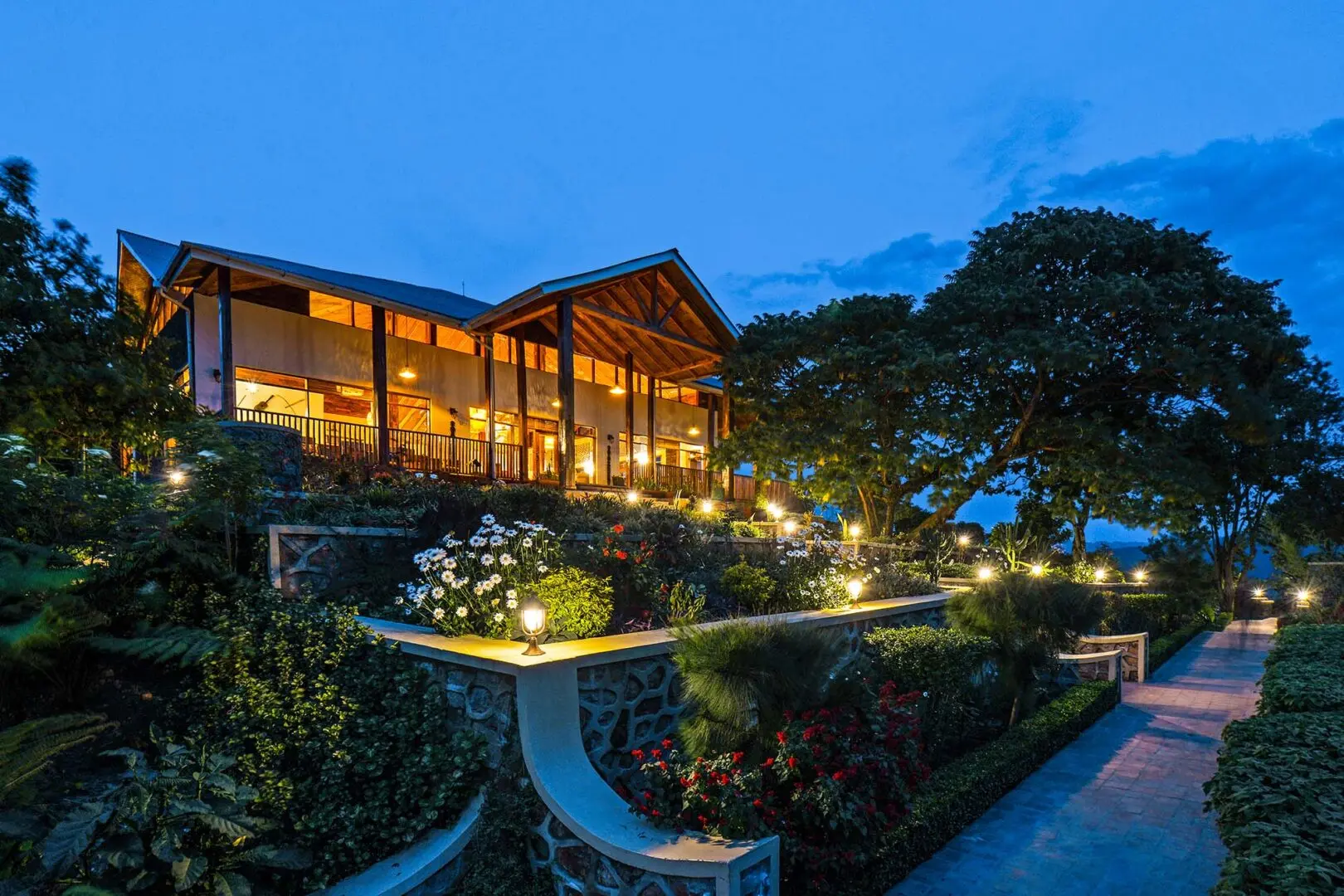
New Gorilla Safari Lodges Opening in 2025 and 2026
The gorilla trekking regions of Uganda are entering a defining phase of transformation, particularly around Bwindi Impenetrable National Park and Mgahinga Gorilla National Park. Between 2025 and 2026, the evolution of safari accommodation is no longer about simply adding more beds to meet demand. Instead, it reflects a deeper strategic shift toward high-value, low-impact tourism, where architecture, conservation, guest experience, and community integration are treated as a unified system rather than separate components.
This new generation of gorilla safari lodges is redefining what it means to stay near one of the most endangered primates on earth. It is not just about proximity to gorillas; it is about how that proximity is managed, how the surrounding communities benefit, and how the experience is curated from arrival to departure. Uganda, long recognized for its raw and authentic safari appeal, is now positioning itself to compete more directly in the premium segment of African tourism without sacrificing its ecological identity.
The Strategic Importance of Lodge Development in Gorilla Tourism
Gorilla trekking is one of the most tightly regulated wildlife experiences globally. Permit systems, limited daily visitor numbers, and strict conservation protocols mean that accommodation plays an outsized role in shaping the overall safari experience. Unlike traditional savannah safaris where game drives dominate, gorilla trekking revolves around a single, highly anticipated encounter that lasts one hour. Everything else, including the lodge, becomes part of the narrative that defines the journey.
The developments taking place in 2025 and 2026 recognize this reality. Lodges are no longer just places to sleep before and after a trek. They are being designed as experiential anchors, where guests prepare physically and mentally for trekking, recover afterward, and engage with the cultural and ecological context of the region. This shift explains why new openings and renovations are focusing on space, privacy, wellness, and immersion rather than scale.
Gorilla Forest Lodge: A Benchmark Reset in Bwindi
One of the most significant transformations in this period is the relaunch of Gorilla Forest Lodge. This is not merely a refurbishment but a complete redefinition of what a forest lodge inside Bwindi can be.
Its location within the national park boundary gives it a rare operational advantage. Guests wake up already inside the rainforest ecosystem, surrounded by the sounds of birds, insects, and occasionally distant primate calls. This eliminates the need for early morning transfers that are common in other sectors and allows for a more seamless transition from lodge to trekking briefing.
The redesign focuses on architectural restraint and environmental integration. Suites are spaced further apart, ensuring privacy and minimizing ecological disturbance. Materials are sourced locally where possible, and the aesthetic leans toward understated luxury rather than visual excess. Large viewing decks, open-air lounges, and carefully positioned windows create a constant visual connection with the forest canopy.
Beyond design, the lodge represents a broader shift in Uganda’s tourism identity. It signals that Bwindi is no longer just a rugged destination for adventurous travelers but a place where luxury and wilderness can coexist without contradiction.
Silverback Lodge: Elevation, Perspective, and Quiet Luxury
The redevelopment of Silverback Lodge introduces a different but equally important dimension to the evolving lodge landscape. Positioned on a ridge overlooking Bwindi, the lodge leverages altitude as its defining characteristic.
From this elevated vantage point, the forest is not something you are inside but something you observe unfolding below you. Morning mist rising through the valleys and evening light settling over the canopy create a dynamic visual environment that changes throughout the day. This perspective adds a contemplative quality to the stay, contrasting with the intensity of trekking.
The design philosophy here can be described as quiet luxury. Instead of focusing on opulence, the emphasis is on calmness, space, and sensory balance. Interiors are designed to be comfortable without overwhelming the natural setting, and communal areas encourage relaxation and reflection after physically demanding treks.
Operationally, the lodge aligns closely with nearby trekking sectors, making it a practical choice for travelers who want both accessibility and scenic immersion. It also reflects a growing trend where lodges are not just functional bases but destinations in their own right, capable of delivering meaningful experiences even on non-trekking days.
The Rise of Low-Density, High-Value Lodges
A defining characteristic of new and upgraded lodges in this period is the move toward low-density development. Instead of building large properties with dozens of rooms, operators are intentionally limiting capacity. This approach serves multiple purposes.
From a conservation standpoint, fewer guests mean reduced pressure on fragile ecosystems. Bwindi’s rainforest is particularly sensitive to human activity, and limiting lodge size helps preserve its integrity. From a business perspective, low density allows for higher pricing, which aligns with Uganda’s strategy of attracting fewer but higher-spending visitors.
For travelers, this translates into a more personalized experience. Service becomes more attentive, spaces feel less crowded, and the overall atmosphere is more exclusive. This model mirrors trends seen in other premium safari destinations but is being adapted to the unique context of gorilla trekking.
Sustainability as a Structural Requirement
Sustainability in 2025 and 2026 is no longer treated as an optional feature or marketing narrative. It is embedded into the operational framework of new lodges. Energy systems increasingly rely on solar power, water management incorporates rainwater harvesting and filtration, and waste reduction strategies are integrated into daily operations.
In regions surrounding Kampala and Entebbe, supply chains are also being reconsidered to reduce the environmental footprint associated with transporting goods to remote areas. Lodges are sourcing more materials locally and working with nearby communities to provide food, crafts, and services.
This approach creates a feedback loop where tourism revenue supports local economies, which in turn strengthens conservation outcomes. When communities benefit directly from gorilla tourism, they become active stakeholders in protecting the जंगल ecosystem.
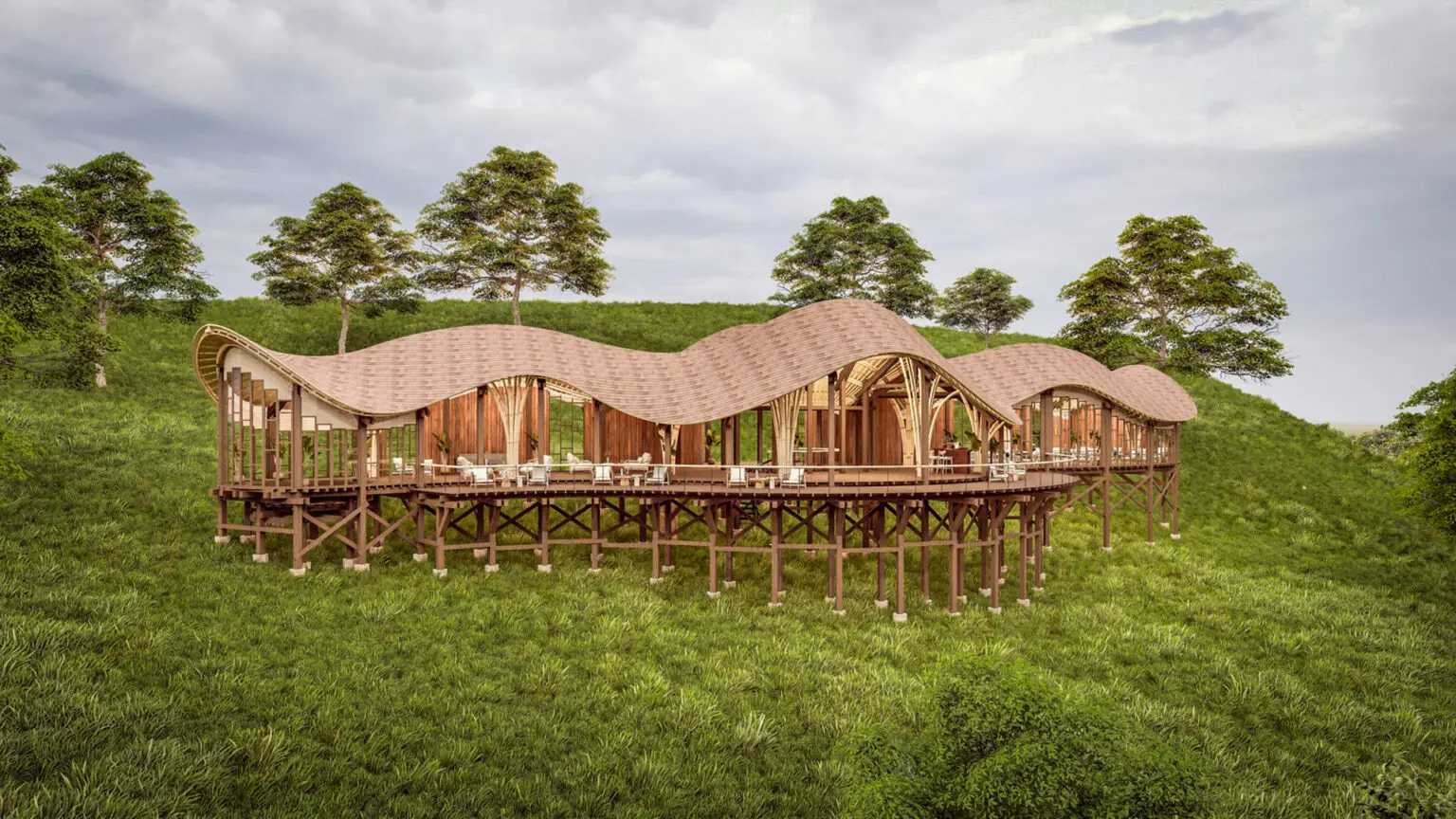
Community Integration and Cultural Engagement
Another major shift in lodge development is the deepening integration of local communities into the tourism experience. In the past, community visits were often optional add-ons. In the current model, they are becoming central to the narrative of the safari.
Lodges are collaborating with indigenous groups, particularly the Batwa people, to create cultural experiences that are both respectful and economically beneficial. These interactions provide guests with context about the historical relationship between humans and the forest, adding depth to the gorilla trekking experience.
Employment is also a key factor. New lodges are prioritizing local hiring, training staff in hospitality skills, and creating long-term career opportunities. This not only improves service quality but also ensures that tourism development contributes to regional stability and growth.
Mgahinga Gorilla National Park: Controlled Growth and Niche Positioning
While Bwindi is experiencing a wave of upgrades and repositioning, Mgahinga Gorilla National Park is following a different trajectory. Its small size and ecological sensitivity limit large-scale development, but this constraint is being turned into a strategic advantage.
New and emerging lodges around Mgahinga are focusing on boutique, high-end experiences that emphasize exclusivity and tranquility. The park’s setting within the Virunga volcanic range provides a dramatic backdrop that differentiates it from Bwindi’s dense forest.
These lodges often combine gorilla trekking with additional activities such as golden monkey tracking and volcano hiking. This diversification allows Mgahinga to attract travelers who are looking for a more varied itinerary within a compact geographic area.
The slower pace of development ensures that the park retains its quiet atmosphere, making it particularly appealing to travelers who prioritize solitude over variety.
Accessibility and Cross-Border Dynamics
Accessibility continues to influence where and how new lodges are developed. Traditional routes from Kampala and Entebbe remain important, but there is increasing attention on cross-border access via Rwanda.
Southern Bwindi sectors and areas near Mgahinga benefit from proximity to Kigali, which allows for shorter travel times. This has encouraged investment in higher-end lodges that cater to international travelers seeking efficiency without compromising on experience.
This cross-border dynamic is also fostering regional collaboration, with itineraries that combine Uganda’s gorilla trekking with Rwanda’s infrastructure and accessibility. Lodges are positioning themselves to take advantage of this integrated tourism model.
The Guest Experience: Before, During, and After Trekking
The evolution of lodges in 2025 and 2026 reflects a more holistic understanding of the guest journey. The experience begins long before the trek itself, with pre-trek briefings, fitness preparation, and mental anticipation. Lodges are creating spaces and programs that support this phase, including guided walks, educational talks, and wellness activities.
During the trek, the quality of guiding and logistical support remains critical, but lodges play a role in ensuring that guests are well-prepared. After the trek, the focus shifts to recovery and reflection. Comfortable accommodations, quality भोजन, and शांत environments help guests process the emotional and physical intensity of the encounter.
This end-to-end approach transforms gorilla trekking from a single activity into a multi-day immersive experience, where the lodge is as important as the forest itself.
Final Perspective: A New Era of Gorilla Safari Lodges
The developments of 2025 and 2026 mark a turning point for gorilla tourism in Uganda. The emphasis on low-density luxury, sustainability, and community integration is reshaping the way travelers experience Bwindi and Mgahinga.
Bwindi is evolving into a destination that offers both rugged adventure and refined comfort, supported by lodges that balance immersion with sophistication. Mgahinga, on the other hand, is reinforcing its identity as a शांत, exclusive alternative where scenery and solitude take precedence.
What emerges from this transformation is a more mature and strategically aligned tourism model. Lodges are no longer isolated entities but integral components of a broader ecosystem that includes conservation, community, and global travel trends. For travelers, this means that choosing where to stay is no longer a secondary decision. It is a central part of crafting a gorilla safari that is not only memorable but also responsible and forward-looking.