
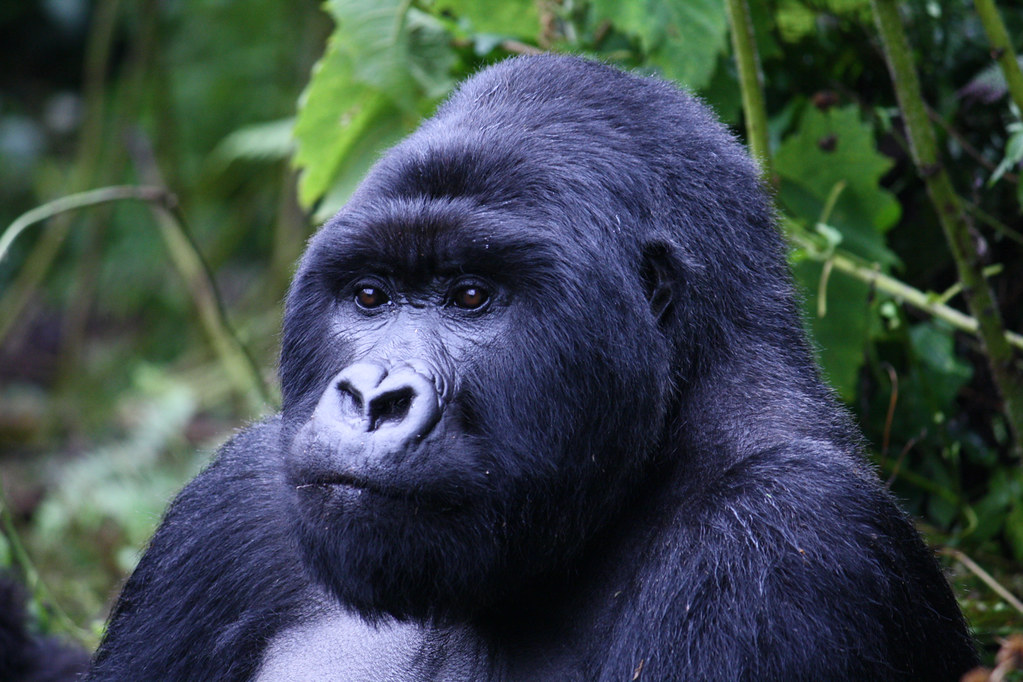
Rwanda vs. Uganda Gorilla Trekking: An Honest Side-by-Side Comparison
Every operator, forum thread, and travel blog seems to have a confident opinion on Rwanda vs Uganda gorilla trekking, and most of them skip straight past the trade-offs to a recommendation that happens to match whatever they are selling. This comparison is one of the first real decisions anyone planning a mountain gorilla trip has to make, and most comparison articles online lean noticeably toward whichever country the writer’s own tour company happens to sell packages for. The honest picture is that both countries offer a genuinely excellent, well-managed gorilla trekking experience, and the right choice comes down to a handful of specific trade-offs, price, terrain, accessibility, and trip length, rather than one country being objectively superior to the other.
Price: The Most Obvious Difference
Uganda’s standard gorilla permit costs $800 for foreign non-residents, dropping to $600 during the low-season months of April, May, and November. Rwanda’s permit sits at $1,500 year-round, with no comparable seasonal discount. This nearly-double price gap is the single largest factor most budget-conscious travelers weigh, and it is not simply a Rwanda markup without justification, the higher fee funds a considerably larger conservation and infrastructure budget, generally shorter and easier treks, and a broader luxury lodge ecosystem that Rwanda has deliberately built around a high-value, lower-volume tourism strategy. Travelers prioritizing value for money, or planning a longer, multi-activity Uganda itinerary where the gorilla trek is one component among several, generally find Uganda’s pricing considerably easier to justify. It is worth noting too that Uganda’s low-season discount window, April, May, and November, can push the effective price gap between the two countries even wider for travelers with enough flexibility to time their trip around it, though those same months coincide with wetter trail conditions in Bwindi that some visitors prefer to avoid.
Terrain and Trek Difficulty
This is where the two countries genuinely diverge in the actual day-to-day experience. Uganda’s Bwindi Impenetrable Forest lives up to its name: dense rainforest, steep and often muddy terrain, and treks that can run anywhere from thirty minutes to seven or more hours depending on where the assigned family happens to be that morning. Rwanda’s Volcanoes National Park terrain tends toward more open bamboo forest and volcanic slopes that, while still requiring genuine fitness, are generally considered easier to navigate, and treks there more commonly fall in the thirty-minute to three-hour range rather than Bwindi’s wider, sometimes much longer spread. Neither terrain is objectively “better,” but they suit different travelers: Uganda rewards those seeking a fuller, more immersive rainforest trekking experience, while Rwanda suits travelers who want a strong chance at a shorter, less physically demanding day while still reaching genuinely wild, habituated gorilla families.
Accessibility and Trip Length
Rwanda holds a clear practical advantage here. Volcanoes National Park sits roughly two and a half hours by road from Kigali International Airport, meaning a gorilla trek can realistically fit into a short, efficient itinerary, even a long weekend for travelers with limited vacation time. Uganda’s Bwindi sits considerably further from Entebbe International Airport, generally requiring either an eight-to-nine-hour road journey or a domestic flight to a small regional airstrip, which pushes most realistic Uganda gorilla itineraries toward a minimum of four or five days once travel time in both directions is factored in. Travelers with only a handful of days to spare, or those combining gorilla trekking with a separate primary trip elsewhere, often find Rwanda’s accessibility decisive regardless of the price difference. Business travelers extending a Kigali work trip by a weekend, or honeymooners layering a short gorilla trek onto a broader East Africa itinerary anchored elsewhere, are exactly the profile of traveler Rwanda’s proximity to its capital serves best.
Number of Families and Permit Availability
Uganda offers considerably more habituated gorilla families across its four Bwindi sectors plus Mgahinga, over twenty families in total, meaning more total daily permits and, in practice, somewhat more availability during peak booking periods compared to Rwanda’s twelve families concentrated around a single park headquarters. This matters most for travelers booking closer to their travel dates or during the busiest months, June through September and December through February, when Rwanda’s more limited permit pool can sell out further in advance than Uganda’s larger overall capacity.
The Exclusive Options Each Country Offers
Uganda’s Gorilla Habituation Experience, available only in Bwindi’s Rushaga sector, extends viewing time to four hours instead of the standard one hour, in a smaller group of four rather than eight, for travelers specifically seeking a deeper, more research-oriented encounter. Rwanda counters with an unmatched luxury lodge scene around Volcanoes National Park, several award-winning properties that have made Rwanda something of a premium gorilla trekking destination in its own right, appealing to travelers for whom high-end accommodation is as much a part of the trip as the trek itself. Uganda has been expanding its own luxury lodge offerings around Bwindi in recent years too, narrowing this particular gap somewhat, though Rwanda’s concentration of internationally recognized five-star properties around Volcanoes National Park still gives it a meaningful edge for travelers whose trip is built primarily around a luxury experience rather than value-conscious travel.
Health, Safety, and Rules: Where the Two Countries Align
On the fundamentals of gorilla trekking rules and health protocols, Rwanda vs Uganda gorilla trekking is a comparison where the two countries actually line up closely rather than diverging. Both enforce the same fifteen-year minimum trekking age, the same strict one-hour viewing window once a family is located, similar minimum distance requirements, and comparable illness-screening policies that can turn away a visibly sick visitor from either country’s briefing with a similar partial-refund safety net. Malaria risk, altitude considerations, and yellow fever vaccination requirements are functionally identical across both countries as well, since the risk factors stem from the broader East African region rather than anything specific to one park over the other. Travelers should not expect meaningfully different health or safety standards between the two; the core protective framework around mountain gorilla tourism has converged across both countries over the decades this industry has operated.
Currency and Language Considerations
A smaller but genuinely practical difference worth mentioning: Rwanda’s tourism infrastructure operates heavily in English and French given the country’s linguistic history, while Uganda’s ranger guides work primarily in English with French or German-speaking driver-guides available through specific operators on request. Neither country presents a serious language barrier for most international visitors, but francophone travelers occasionally report feeling marginally more at home in Rwanda’s broader tourism ecosystem. Currency-wise, both countries price permits and most tourism services in US dollars, making budgeting comparably straightforward regardless of which country you choose. Visa logistics differ slightly too: Uganda participates in the East Africa Tourist Visa alongside Kenya and Rwanda, which can simplify a multi-country itinerary considerably for travelers already planning to visit more than one of the three, while a Rwanda-only trip typically involves its own straightforward visa-on-arrival process for most nationalities regardless of the broader regional visa.
Making the Actual Decision
If budget flexibility and trip length are not major constraints, and you want the most immersive, classic rainforest trekking experience with a real chance of a longer, more physically demanding day, Uganda is the stronger fit. If your time is genuinely limited, you want the highest odds of a shorter, gentler trek, and premium accommodation matters as much as the trek itself, Rwanda’s higher price buys real, tangible advantages worth the premium. Some travelers with more flexible itineraries choose to combine both countries in a single trip, an option worth discussing with your operator if neither comparison above resolves the decision cleanly on its own. A combined itinerary, crossing the Katuna or Cyanika border between the two countries, is genuinely feasible logistically, though it adds trip length, an additional permit cost, and a border crossing to manage, so it tends to appeal most to travelers with two weeks or more to spend in the region rather than those trying to fit gorilla trekking into a shorter window.
Cost stacking also deserves a mention: travelers who add a Rwanda permit on top of an already-planned Uganda itinerary, or vice versa, should budget for two full permit fees, $800 plus $1,500 in the current pricing, rather than assuming any kind of combined discount exists between the two countries’ separately administered wildlife authorities. The lodging and transport costs on each side of the border add up separately as well, so a combined itinerary is worth budgeting as effectively two smaller trips stitched together rather than one continuous, evenly priced journey.
Planning Whichever Trip You Choose
Our detailed gorilla trekking cost comparison by country breaks the pricing picture down further, and our page on whether gorilla trekking in Rwanda is challenging goes deeper into the terrain question specifically. Our broader guide to the cost of a gorilla trekking permit in Uganda and Rwanda is worth reading alongside this comparison too. Whichever country you choose, a well-structured three-day Rwanda gorilla safari or three-day Bwindi gorilla trekking safari in Uganda both deliver a genuinely unforgettable encounter with mountain gorillas, the real decision is simply which trade-offs matter most for your specific trip. There is no universally correct answer to Rwanda vs Uganda gorilla trekking, only the answer that fits your budget, timeline, and appetite for a genuinely demanding rainforest hike.