
Congo + Rwanda + Uganda: The Ultimate Tri-Country Gorilla Safari
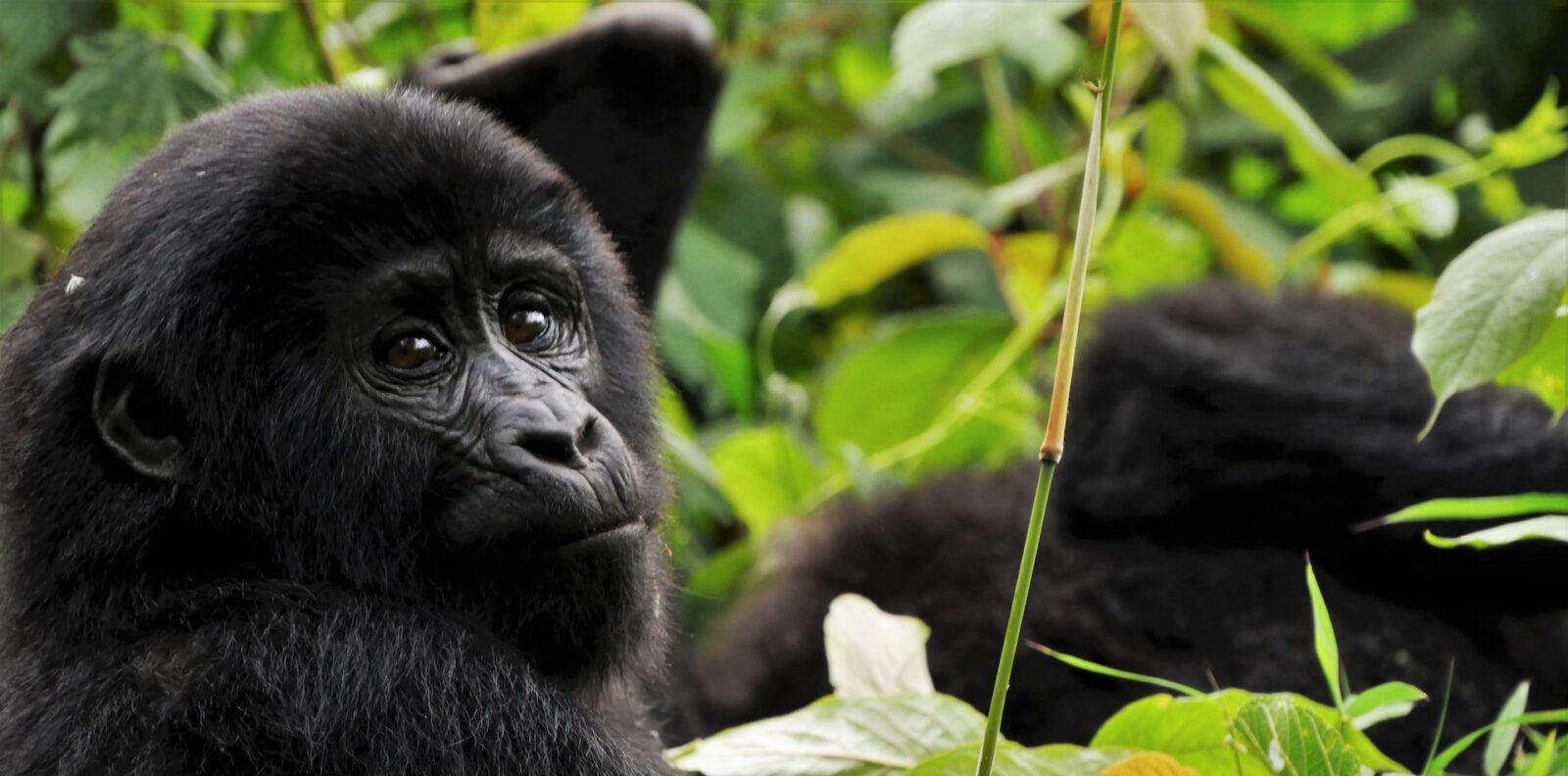
Mountain gorillas exist in the wild in exactly three countries on Earth, Uganda, Rwanda, and the Democratic Republic of Congo, all sharing the same connected Virunga and Bwindi forest ecosystems that straddle their mutual borders. For the most dedicated gorilla trekking enthusiasts, visiting all three range countries within a single trip represents the ultimate expression of this particular pursuit, a genuine primate trekking pilgrimage across the entire wild range of the species.
Why Visit All Three Countries
Each of the three gorilla range countries offers a meaningfully different trekking experience, shaped by distinct terrain, infrastructure, and cultural context, despite protecting the same overall gorilla population and connected forest ecosystem. Uganda’s Bwindi Impenetrable Forest delivers dense, technically demanding forest trekking across the country’s largest gorilla population. Rwanda’s Volcanoes National Park offers a more streamlined, efficiently organised experience against a dramatic volcanic backdrop. The Democratic Republic of Congo’s Virunga National Park adds genuine adventure and a considerably rawer, less developed trekking context, alongside the additional option of hiking to Nyiragongo’s active lava lake nearby. Travellers who complete all three come away with a genuinely complete picture of how the same species and forest ecosystem is protected and presented differently across three neighbouring nations.
Structuring the Itinerary
A tri-country gorilla safari typically spans ten to fourteen days, enough time to properly trek in each country without an exhausting, rushed pace between border crossings. Most itineraries begin in Uganda, given its status as the region’s most established international gateway, before continuing through Rwanda and finishing with the Congo leg, though the specific order can be adjusted based on flight availability and each traveller’s particular visa and entry requirements.
Uganda Leg: Bwindi Impenetrable Forest
The Uganda portion typically opens the trip, centred on gorilla trekking in Bwindi Impenetrable Forest, home to roughly half of the world’s remaining mountain gorilla population. Depending on available time, this leg can extend to include chimpanzee tracking in Kibale Forest or savannah game viewing in Queen Elizabeth National Park, adding broader wildlife context to the trip’s opening chapter before the itinerary narrows its focus specifically to gorillas for the remainder of the journey.
Rwanda Leg: Volcanoes National Park
Crossing into Rwanda, the itinerary continues with gorilla trekking in Volcanoes National Park, set against the dramatic backdrop of the Virunga volcanoes. Rwanda’s more compact, efficiently run trekking infrastructure offers a useful point of comparison against Uganda’s denser, more challenging Bwindi terrain, and many travellers use this leg to add golden monkey trekking or a Mount Bisoke crater lake hike alongside the core gorilla trekking experience.
Congo Leg: Virunga National Park
The itinerary’s final and most adventurous leg crosses into the Democratic Republic of Congo for gorilla trekking within Virunga National Park, Africa’s oldest national park and one still recovering its tourism infrastructure following years of regional instability. This leg typically carries the most significant logistical and security planning requirements of the entire trip, and travellers should work exclusively with operators maintaining current, direct relationships with Virunga’s park management to ensure accurate, up-to-date guidance on conditions. For travellers with the additional time and appetite, combining this leg with the Nyiragongo lava lake trek adds one of the most extraordinary single experiences available anywhere on the continent.
Permits and Advance Planning
Each country issues its own separate gorilla trekking permits through entirely distinct government or park authority systems, and coordinating three separate permit bookings, often months in advance given limited daily availability in each country, represents the single most important planning task for this itinerary. Rwanda’s permits carry a notably higher price point than Uganda’s or Congo’s, a detail worth factoring into overall budget planning from the very start of the trip’s organisation.
Border Crossings and Logistics
Moving between all three countries within a single trip requires careful attention to visa requirements, border crossing procedures, and the specific documentation each country demands of travellers entering with gorilla trekking permits already secured. East African Community visa arrangements can simplify movement between Uganda and Rwanda for eligible travellers, while the DRC leg typically requires separate, specific visa arrangements handled well in advance of arrival, given how much more involved Congo’s entry requirements generally are compared to its two neighbouring countries.
Security Considerations for the Congo Leg Specifically
Given the DRC’s more complex security history, the Congo leg of this itinerary demands the most careful, current research of the entire trip. Reputable operators maintain direct, ongoing relationships with Virunga National Park’s management and stay closely attuned to current conditions, adjusting or postponing this leg of an itinerary when necessary rather than proceeding regardless of circumstances. Travellers should approach this portion of the trip with appropriate flexibility, understanding that security-driven schedule changes are a genuine possibility that a well-prepared operator will manage transparently rather than something to be surprised by mid-trip.
Cost Considerations Across the Full Itinerary
Three separate gorilla trekking permits, spanning three different pricing structures, represent the itinerary’s dominant cost, well beyond what a single-country gorilla trekking trip would involve. Beyond permits, accommodation, transport, and guiding costs accumulate across three separate countries with their own distinct pricing landscapes, making this itinerary a genuinely premium undertaking suited to travellers with both the budget and the specific, dedicated interest in gorilla trekking across its full wild range.
Who This Itinerary Is Really For
A tri-country gorilla safari is not a first-time Africa itinerary, nor a casual add-on to a broader trip. It suits dedicated primate enthusiasts, serious wildlife photographers, and travellers who have likely already experienced gorilla trekking in at least one of the three countries and are specifically seeking the complete range-country experience, understanding both the premium cost and the additional logistical complexity this kind of itinerary genuinely demands.
A Genuine Primate Trekking Pilgrimage
For the narrow but genuinely dedicated audience this itinerary serves, completing gorilla treks across all three of the species’ wild range countries represents one of the most complete and meaningful wildlife pursuits available anywhere on the African continent, a direct encounter with the same remarkable species across the full breadth of the connected forest ecosystem that sustains it, and the three very different national contexts working to protect that ecosystem for the future.
Comparing the Gorilla Families Across Countries
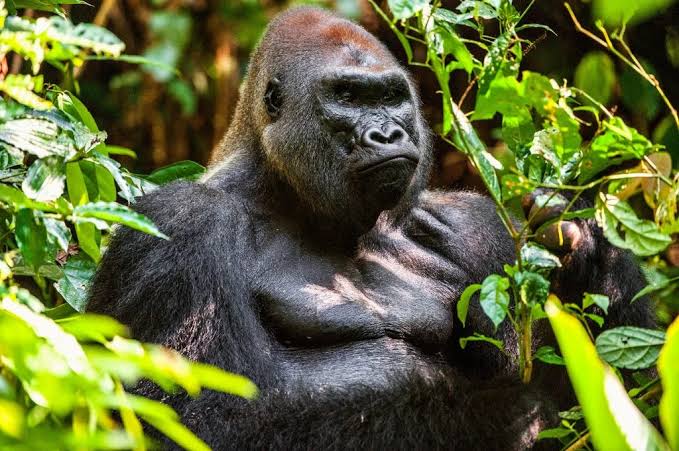
While all three countries protect the same overall mountain gorilla population within a single connected ecosystem, the specific habituated families available for trekking differ by country and sector, giving travellers on this itinerary the chance to spend time with genuinely distinct gorilla groups across the trip. Guides in each country typically share details about the specific family a group is assigned to before setting out, including notable individuals, recent births, or particular behavioural traits that make each encounter distinct even for travellers who have already trekked once or twice earlier in the same trip.
Physical Demands Across Three Different Terrains
Each country’s trekking terrain carries its own physical character, and travellers should prepare for genuine variation in difficulty across the three legs rather than assuming a uniform experience. Bwindi’s dense, steep forest is widely regarded as the most physically demanding of the three, Rwanda’s Volcanoes National Park trails tend to be somewhat more graded and consistent, and Congo’s Virunga terrain varies considerably depending on the specific trailhead and gorilla family location on any given day. Arriving with strong general fitness matters more on this itinerary than on a single-country trek, given how three consecutive demanding hikes, potentially with limited rest days between them, can accumulate fatigue across the trip.
Cultural Contrasts Worth Noticing
Beyond the trekking itself, this itinerary offers a genuinely interesting window into how three neighbouring countries, sharing language groups, history, and in some cases direct ethnic and cultural ties across their borders, have each developed distinct national identities, infrastructure standards, and approaches to tourism and conservation. Travellers who pay attention to these contrasts, from Rwanda’s famously orderly infrastructure to Uganda’s more relaxed, informal pace to the DRC’s rawer, less mediated character, often find this cultural dimension adds as much to the trip’s overall value as the gorilla trekking itself.
Recommended Trip Length and Pacing
While a tightly compressed version of this itinerary could theoretically be completed in eight or nine days, most experienced operators recommend allowing at least twelve to fourteen days to properly space out the three trekking days with adequate rest and travel buffer between each leg. Attempting to compress three demanding treks and two international border crossings into too short a window risks turning what should be a genuinely rewarding pilgrimage into an exhausting, rushed ordeal that undermines the very experience travellers are seeking by adding all three countries in the first place.
Working With a Specialist Operator
Given the complexity of coordinating three separate permit systems, two international border crossings, and the additional security diligence the Congo leg specifically requires, this itinerary is not well suited to independent, self-arranged planning for all but the most experienced Africa travellers. A specialist operator with direct, established relationships across all three countries’ gorilla trekking authorities and park management structures removes a substantial amount of coordination risk, and given how much is riding on precise permit timing and border logistics, this is one itinerary where professional coordination genuinely earns its cost.
For travellers ready to plan a trip built around gorilla trekking across Virunga National Park and its connected ecosystem spanning Uganda and Rwanda, this tri-country itinerary represents the single most complete way to experience mountain gorilla trekking across the species’ entire wild range.