
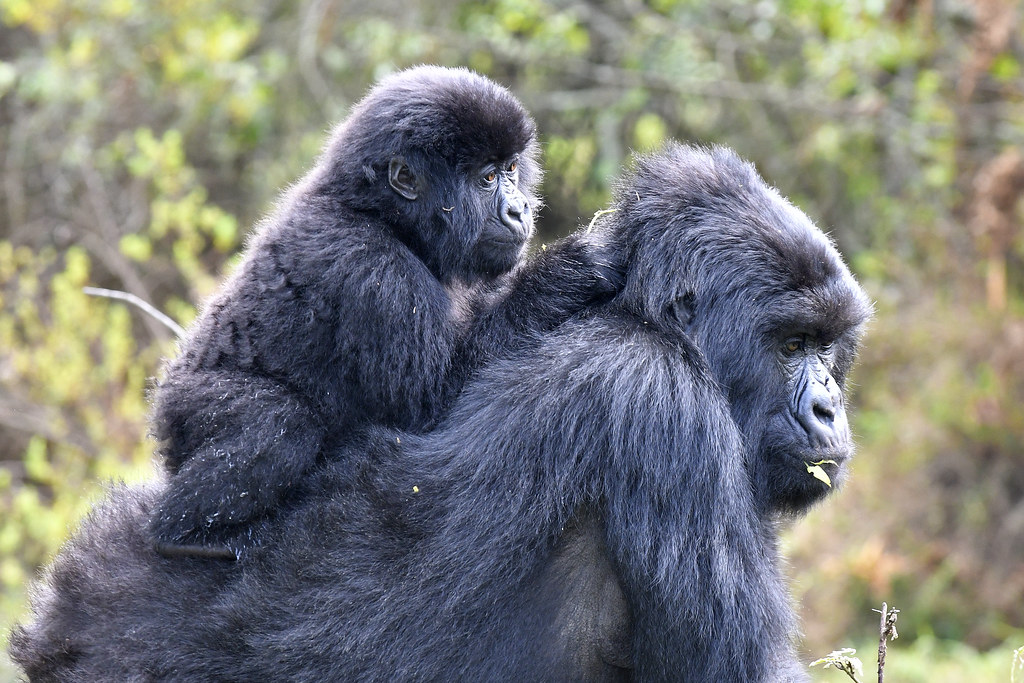
Rwanda Gorilla Trekking is one of Africa’s most extraordinary wildlife encounters, offering visitors the rare opportunity to observe endangered mountain gorillas in their natural habitat. Located in the northwestern part of Rwanda, Volcanoes National Park protects a portion of the Virunga Mountain range, a chain of volcanic peaks that stretch across Rwanda, Uganda, and the Democratic Republic of Congo. This mist-covered rainforest landscape is home to several habituated gorilla families, making Rwanda one of the premier destinations for gorilla trekking worldwide.
Often referred to as the “Land of a Thousand Hills,” Rwanda combines accessibility, conservation excellence, and luxury safari experiences. Unlike other gorilla trekking destinations that require long travel times, Volcanoes National Park is only about a two-and-a-half-hour drive from Kigali International Airport, making it one of the most convenient gorilla trekking locations in Africa.This detailed guide explores Rwanda gorilla trekking in depth, including permit information, trekking experience, conservation history, best time to visit, accommodation options, and what makes Rwanda unique in the gorilla safari circuit.
A Detailed Guide to Rwanda Gorilla Trekking
The Mountain Gorillas of the Virunga Mountains
Mountain gorillas are among the rarest primates in the world, and Volcanoes National Park protects a significant portion of their remaining population. These gorillas belong to the subspecies Gorilla beringei beringei and inhabit the high-altitude forests of the Virunga Mountains.
The Virunga range includes several volcanic peaks such as Karisimbi, Bisoke, and Sabyinyo, forming a dramatic backdrop to trekking adventures. The dense bamboo forests, open clearings, and highland vegetation provide a rich feeding environment for gorillas, whose diet consists mainly of leaves, shoots, stems, and fruit.
Rwanda currently has multiple habituated gorilla families available for tourism, with each group visited by a maximum of eight tourists per day. This strict regulation ensures minimal disturbance and supports sustainable conservation.
The Gorilla Trekking Experience
Gorilla trekking in Rwanda begins early in the morning at the Volcanoes National Park headquarters in Kinigi. After a briefing by park rangers, visitors are assigned to specific gorilla families based on fitness level and preference.
The trekking duration varies from one to five hours depending on the gorillas’ location. Some groups reside closer to the park boundary, while others roam deeper into the forest slopes. The terrain can be steep, muddy, and physically demanding, requiring reasonable fitness and proper hiking gear.
Once the gorillas are located, visitors are allowed one hour in their presence. This hour is often described as life-changing. Observing a silverback’s dominance display, watching juveniles play, or seeing mothers care for infants provides a deeply emotional and humbling wildlife experience.
Gorilla Trekking Permits and Regulations
Rwanda’s gorilla trekking permit is among the most premium in Africa, reflecting the country’s high-end conservation model. Permits cost approximately USD 1,500 per person and must be booked in advance through the Rwanda Development Board or authorized tour operators.
Strict rules are enforced to protect the gorillas. Visitors must maintain a minimum distance of seven meters, avoid direct eye contact with silverbacks, and refrain from trekking if ill. Flash photography is prohibited, and group sizes are limited.
The high permit cost contributes directly to conservation efforts, anti-poaching initiatives, habitat protection, and community development projects surrounding the park.
Conservation History and Dian Fossey’s Legacy
Rwanda’s gorilla conservation story is closely tied to the work of primatologist Dian Fossey. In the 1960s, Fossey established the Karisoke Research Center between Mount Karisimbi and Mount Bisoke, dedicating her life to studying and protecting mountain gorillas.
Her research and anti-poaching campaigns brought international attention to the plight of gorillas and laid the foundation for Rwanda’s conservation model. Today, visitors can hike to her grave and former research site as part of a historical and educational experience.
Rwanda’s strong conservation policies have helped increase mountain gorilla numbers significantly over the decades, making them one of the few great apes whose population is slowly recovering.
Best Time for Rwanda Gorilla Trekking
Rwanda gorilla trekking is possible year-round, but dry seasons provide optimal conditions. The best months are typically June to September and December to February. During these periods, forest trails are less muddy, and trekking is generally more manageable.
The rainy seasons, March to May and October to November, bring lush vegetation and fewer tourists, though trekking conditions can be more challenging due to slippery terrain.
Regardless of season, gorilla sightings are highly successful, with tracking success rates consistently above 95 percent.
Accommodation Options Near Volcanoes National Park
Rwanda offers a wide range of accommodation options catering to luxury, mid-range, and budget travelers.
Luxury lodges such as Bisate Lodge and One&Only Gorilla’s Nest provide high-end eco-luxury experiences with stunning views of the Virunga volcanoes. These lodges offer private villas, gourmet dining, and personalized service.
Mid-range options include Mountain Gorilla View Lodge and Le Bambou Gorilla Lodge, offering comfortable rooms with easy access to the park headquarters.
Budget accommodations and guesthouses are also available in Musanze town, providing affordable options for trekkers seeking a simpler stay.
Combining Gorilla Trekking with Other Rwanda Experiences
Rwanda’s compact size allows easy combination of gorilla trekking with other attractions. Visitors often add wildlife safaris in Akagera National Park or chimpanzee trekking in Nyungwe Forest National Park.
Cultural tours in Kigali, including visits to the Kigali Genocide Memorial, provide historical insight into Rwanda’s transformation and resilience.
Lake Kivu offers a relaxing extension after trekking, with beaches, boat rides, and scenic mountain views.
Why Choose Rwanda for Gorilla Trekking
Rwanda stands out for its accessibility, safety, luxury standards, and strong conservation framework. The short transfer time from Kigali International Airport to Volcanoes National Park makes it ideal for travelers with limited time.
The country’s focus on high-end tourism ensures well-maintained infrastructure, professional guiding services, and exceptional hospitality. While permits are more expensive compared to neighboring countries, many travelers find the convenience and quality worth the investment.
Rwanda Gorilla Trekking represents one of Africa’s most exclusive and transformative wildlife experiences. Tracking mountain gorillas through the misty slopes of Volcanoes National Park connects visitors with one of humanity’s closest relatives in an intimate and unforgettable way.
With strong conservation policies, a legacy shaped by Dian Fossey’s work, and world-class hospitality standards, Rwanda continues to lead as a premier gorilla trekking destination. For travelers seeking adventure, conservation awareness, and luxury safari experiences in one compact itinerary, Rwanda offers an unparalleled opportunity to witness the majesty of mountain gorillas in their natural environment.